
- News
- lifestyle
- parenting
- parenting-stories
- 8 traits of the youngest child
8 traits of the youngest child
8 traits of the youngest child
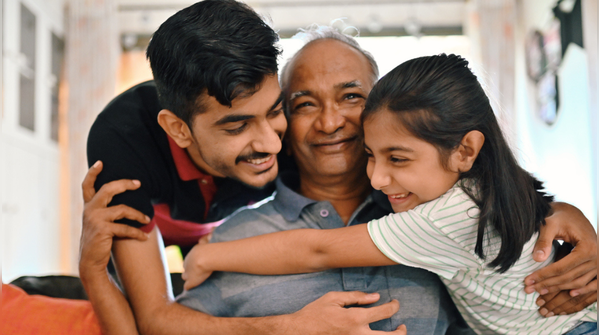
In many families, the youngest child grows up in a world that is already full of voices, routines and expectations. By the time they arrive, parents have usually learned a little more, siblings have already set the tone, and the household has its own rhythm. That does not make the youngest child a copy of anyone else. In fact, being the last to enter a family often shapes a distinct personality, one that can be playful, observant, persuasive, affectionate and sometimes surprisingly resilient. Of course, no birth order can explain a person completely, and every child is different. Still, family dynamics do leave a mark, and the youngest often carries a recognisable mix of habits and instincts. Here are 8 traits that are commonly seen in the youngest child.
They are often naturally playful
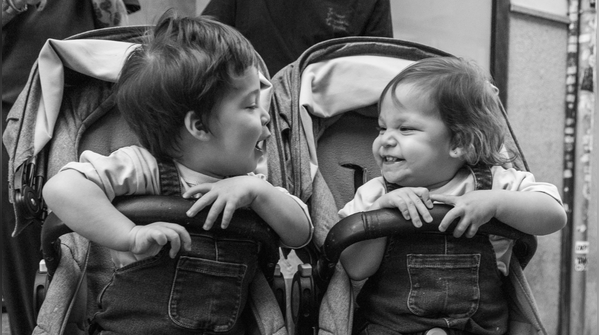
The youngest child usually grows up surrounded by older siblings who are already doing, deciding and leading. That environment often encourages them to stay light on their feet. They learn early that play is a powerful way to connect, entertain and survive family chaos.
This can make them the person who brings humour into tense moments or turns an ordinary situation into something more lively. Even as adults, many youngest children retain a certain ease around fun. They may not always be the most serious voice in the room, but they often know how to keep things from feeling too heavy.

They know how to get attention
By the time the youngest arrives, the family spotlight is no longer reserved for one child alone. There are older siblings, established routines and years of conversation already in motion. To stand out, the youngest often learns how to attract attention in ways that feel charming, clever or impossible to ignore.
Sometimes that means being expressive. Sometimes it means being dramatic. Sometimes it simply means knowing exactly when to speak. This trait can become a strength later in life, especially in social settings, where confidence and timing matter as much as volume.
They are usually highly adaptable
A youngest child grows up watching other people do things first. They learn by observing, adjusting and fitting into systems that were not built around them from the start. That can make them more flexible than they realise.
They are often comfortable entering new groups, shifting between personalities and adapting to change. When life does not go according to plan, they may cope by improvising rather than resisting. This adaptability can be one of their most useful traits, especially in adulthood, when flexibility matters more than control.

They can be surprisingly persuasive
Youngest children often develop a talent for negotiation. If they grew up trying to borrow things, join games, escape blame or win permission, they may have spent years learning how to make a case. That experience can turn into a real social skill.
They may not always demand directly. Instead, they persuade with tone, timing, warmth or wit. This does not necessarily mean they are manipulative. More often, it means they understand people well enough to guide conversations in their favour. In a family, this can look like clever bargaining. In the wider world, it can become strong communication.
They often rely on others at first, then become independent in their own way
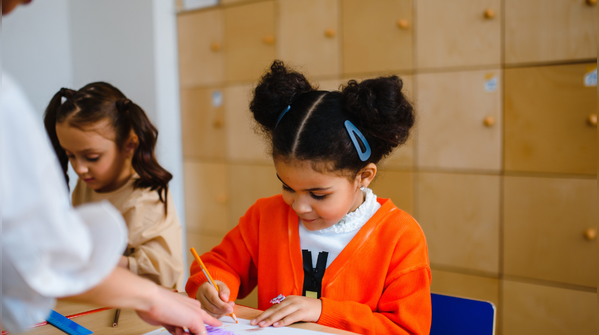
Youngest children are frequently treated as the baby of the family for longer than their older siblings were. They may receive more help, more protection and more indulgence, at least for a while. That can sometimes make them appear dependent in childhood.
But dependency and weakness are not the same thing. Many youngest children eventually develop a quiet self-reliance after years of being underestimated. They may take time to get there, but once they do, they often build independence on their own terms rather than following a rigid script.
They tend to be socially sharp
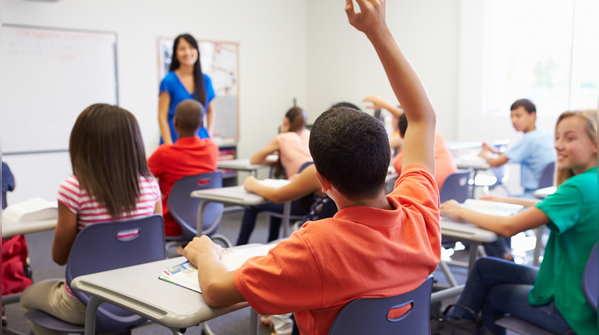
Growing up around older siblings can be like attending a daily seminar in human behaviour. Youngest children hear arguments, jokes, alliances and teasing long before they fully understand them. Over time, that can make them keen observers of tone, mood and power dynamics.
They often read the room well. They notice who is annoyed, who is insecure and who needs reassurance. This social intelligence can make them easy to talk to and difficult to fool. It also helps explain why many youngest children are drawn to friendships, performance or spaces where personality matters.
They may resist being boxed in
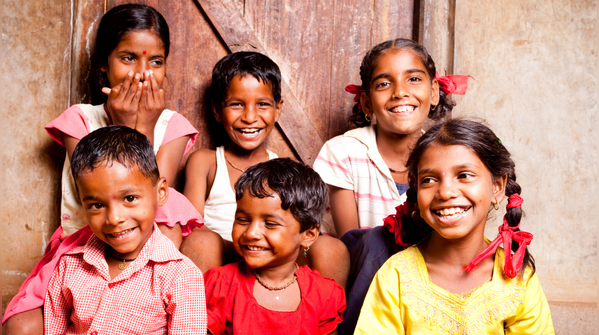
Because they are often compared with older siblings, youngest children can become sensitive to labels. If they are described as “the baby", “the careless one” or “the spoilt one", they may push back, sometimes quietly, sometimes with flair. There is often a streak of rebellion in them, even if it is not loud.
This resistance can become a strength. It pushes them to define themselves beyond family expectations. Many young children are less interested in repeating a family pattern than in breaking one. That can make them creative, unpredictable and refreshingly original.
They often know how to soften a room
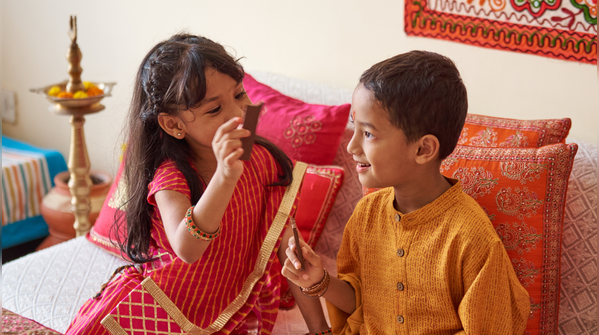
One of the most underrated traits of the youngest child is emotional atmosphere. They may not be the household leader, but they are often the one who changes the tone. A joke here, a softer word there, and a small gesture at the right moment and suddenly the room feels less tense.
This ability often comes from years of reading family energy closely. Younger children learn when to enter a conversation, when to step back and when to lighten the mood. That sensitivity can make them warm companions and natural peacemakers, especially in relationships where emotional intelligence matters.
Featured In lifestyle

MORE FROM ETIMES
life & style