
- News
- lifestyle
- parenting
- preconception
- Spot these warning signs of miscarriage
Spot these warning signs of miscarriage

Pain of miscarriage
Going through a miscarriage is an incredibly painful experience for many women and this loss of pregnancy often leaves them with intense mental and physical pain.
It is important to note that no two women are alike. Many women who experience miscarriage symptoms go on to have full-term pregnancies, while, on the other hand, there are women who don’t have any symptoms and don’t realise that they have miscarried till their next appointment with the doctor.

What are the symptoms of a miscarriage?
Week 2 to 4
There is a phenomenon known as the chemical pregnancy that happens during the first few weeks when even the woman is not aware of her own pregnancy. A miscarriage during chemical pregnancy is similar to that of a menstrual cycle and hence gives the impression that periods might have come sooner or later than usual.
Week 4 to 12
The most common symptom of early pregnancy loss is bleeding. So much so that women who experience bleeding or spotting often fear the worst. But, while spotting during pregnancy can be scary, keep in mind that it is fairly common during pregnancy.
Keep a check on the colour of the blood and the flow. If it is more reddish than brown and the bleeding is heavy, you are more likely to have had a miscarriage.
Bleeding and cramping
Also, while cramping during pregnancy is considered fairly normal and can happen due to a variety of reasons, it is the severity of pain that signifies a miscarriage. If you experience cramping alone, it could be attributed to gas pain or even to expanding of the uterus, but if you experience severe, stabbing pain, it might be time to get an ultrasound.

Pregnancy symptoms start disappearing
Nausea, breast tenderness and fatigue are the most common symptoms of pregnancy. These symptoms are more intense during the first trimester of pregnancy and it is normal for these symptoms to fluctuate during the natural progression of the pregnancy.

Drop in pregnancy hormone levels
But if nausea and breast tenderness disappear completely or to a large extent, it might signal that pregnancy hormone levels are dropping as the placenta has stopped producing the hormones that cause these symptoms.
In fact, many women notice a difference in how they feel once they have miscarried.
Week 12 to 20
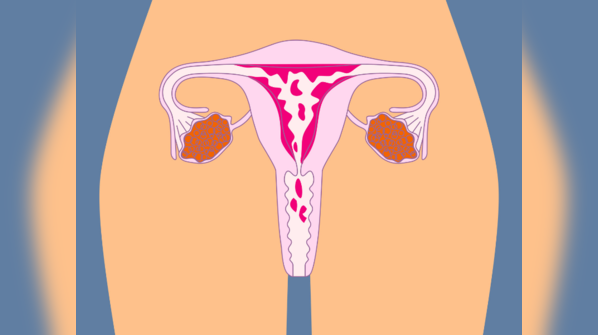
Even after you enter the second trimester, the symptoms to look out for an early loss of pregnancy are bleeding and cramping.

Why do miscarriages happen?
While it is difficult to know why miscarriage happens, do note that about 1 in 5 pregnancies end in miscarriage. It is almost never caused by what the pregnant person did, in fact, approximately half of the miscarriages result from an abnormal number of chromosomes in an embryo.
Some of the other reasons are:
1. Serious infection
2. Major injury
3. Abnormalities in the uterus
Featured In lifestyle

MORE FROM ETIMES
life & style