Why your curry leaf plant has stopped growing: Common mistakes to avoid
Why your curry leaf plant has stopped growing: Common mistakes to avoid
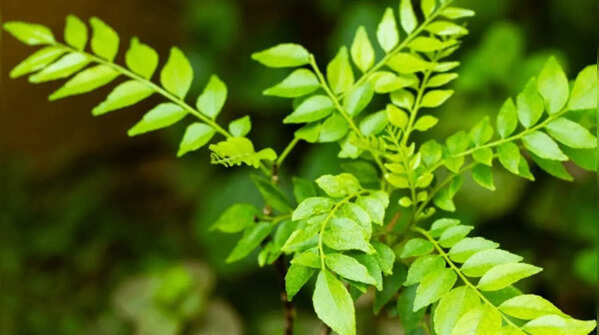
The curry leaf plant, or the Curry Leaf Plant, normally grows well under hot weather conditions. Nevertheless, there is an observation by many plant enthusiasts that during the first months of development, the plant abruptly slows down, ceases to produce fresh leaves, and looks frail and unhealthy. Most likely, the problem has something to do with sunlight exposure, water supply, poor soil conditions, and seasonal effects.
(Photo Credit: Shutterstock)
Lack of sunlight exposure
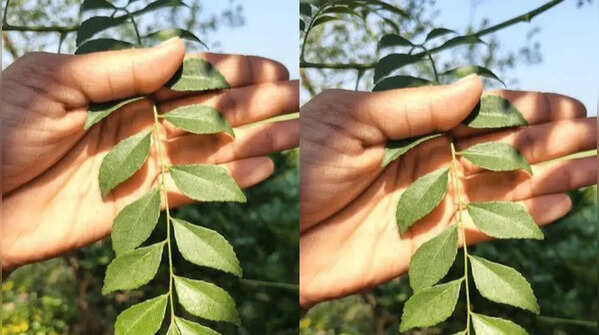
Probably the most prevalent cause of the poor growth condition is the deficiency in light supply. Curry leaf plants require a bright environment, needing about 6 to 8 hours of direct sunlight daily. If exposed to insufficient sunlight because of placement indoors and on balconies with insufficient light supply, photosynthesis will not occur adequately; thus, resulting in slow production of foliage and stems.
Overwatering or underwatering
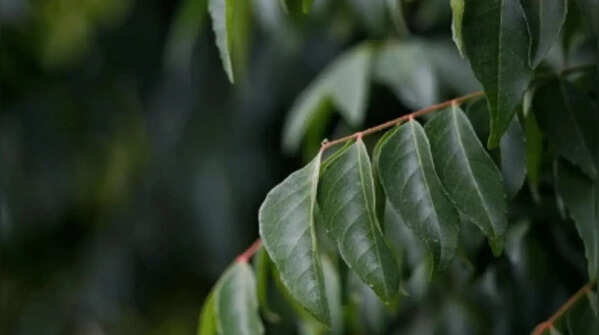
Incorrect watering practices can easily impact the health of the plant. Overwatering poses a significant risk since curry leaf plants dislike soggy soil. Too much water can cause root rot, resulting in wilting, yellowing, and growth cessation. However, inadequate watering stresses the plant, compelling it to store energy rather than produce new foliage. It is advised to water the plant only when the topsoil dries up slightly.
Poor soil quality and nutrient deficiency
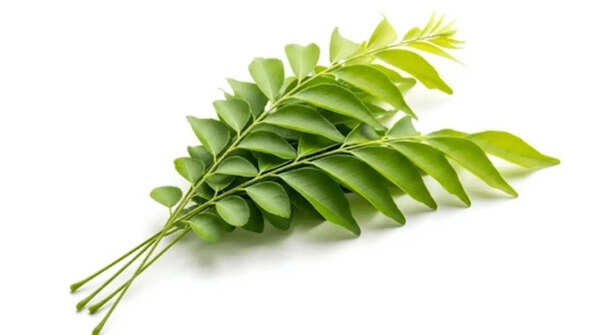
In the event of poor soil structure, low-quality soil, or insufficient nutrients, the growth of the plant may become hampered. The curry leaf plant thrives in well-draining soils that contain organic material. Lack of nitrogen and iron causes yellowing of the leaves, weakness of the stem, and poor development.
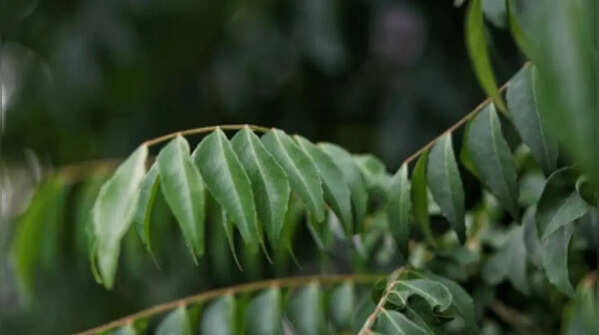
Colder climate and seasonally-induced dormancy
The curry leaf plant is a tropical plant and cannot survive in colder environments. In winter, especially in temperate zones, the plant might naturally go dormant, ceasing production of leaves. Some plants may lose their leaves in winter.
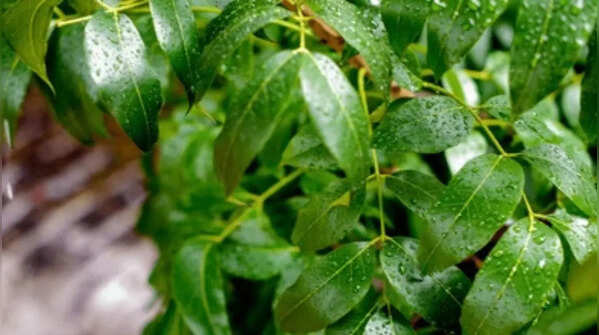
Other reasons include pests and fungal infections.
Microscopic pests like aphids, spider mites and scales may cause internal harm to the plant through their sap-sucking activities on the foliage and stems. The fungus caused by too much moisture in the soil can impair root growth and prevent new leaf development. In case you see sticky leaves, black marks, curled leaves, or minuscule insects underneath the foliage, then a pest control measure will be necessary. Neem oil sprays and adequate ventilation are the suggested methods.
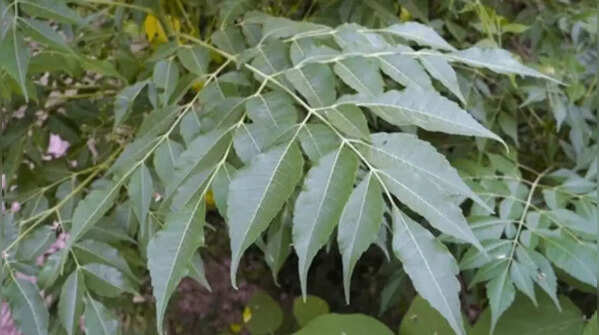
Insufficient pruning
Pruning is another reason why curry leaf plants may not grow leaves. Many gardeners don’t perform the regular clipping activity, although the practice is vital for lush growth. When the plant grows as a single stem that goes up straight, it won’t branch out appropriately. Regularly removing the terminal buds will help promote more new shoot formation.
Changing locations frequently
Regularly changing the position of the plant can also inhibit growth. Plants require time to adapt to environmental factors like sunlight and wind. Any environmental shock or change may hinder the production of leaves.
Disclaimer
Plant growth can vary depending on climate, variety, soil conditions, and care routine. If your curry leaf plant continues to decline despite proper care, consulting a local gardening expert or nursery may help identify the exact issue.