- News
- lifestyle
- home-garden
- Top 6 scents that mosquitoes can’t stand and how to use them to protect your home
Trending
Top 6 scents that mosquitoes can’t stand and how to use them to protect your home
Mosquitoes carry dangerous diseases, making protection vital. Natural scents from plants like citronella, peppermint, lavender, lemon balm, basil, and eucalyptus offer effective, non-toxic alternatives to chemical repellents. These fragrances mask human attractants, deterring mosquitoes. Incorporating these plants and essential oils into your home and routine provides a safe, pleasant defense against these biting insects.
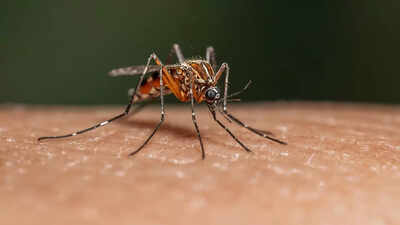
6 Scents that stop mosquitoes from coming indoors
Citronella

Peppermint
Lavender

Lemon Balm
Basil

Eucalyptus

About the AuthorTOI Lifestyle Desk
End of Article
Follow Us On Social Media
Health +
Tired of too many ads?go ad free now
lifestyle videos
Featured In Lifestyle

Tired of too many ads?go ad free now



MORE FROM ETIMES
life & styleHot on the Web
Marcus AureliusKidney DamageNelson MandelaRanveer SinghDiabetes TipsShhyamali DeSmriti MandhanaMorgan FreemanAttract Good LuckKarl MarxBlood PressureJapanese TechniquesTere Ishk Mein CollectionKnee Pain ExercisesDharmendra PropertyBaby NamesSamantha Ruth PrabhuRaj NidimoruRanveer SinghJoint PainKidney HealthFoods For Strong KneesGustaakh Ishq Box Office CollectionThe Family Man Season 3 ReviewBhagavad Gita LessonsTere Ishk Mein Movie ReviewPeregrination WordType 2 Diabetes PreventionSanjay DuttMohit SharmaElephant Safari National ParkOvernight Habits That Affect HealthLiver Failure Warning SignsCucumber Vs ZucchiniEarly Signs Of Mouth CancerLargest Ant In The WorldWarning Signs Of Kidney DamageColours That Attract SharksBenefits Of Boiling Sweet PotatoesFatty Liver SignsDrinks That Harm Your Kidney
Trending Topics
Latest MoviesBollywood MoviesHollywood MoviesTamil Movies 2025Telugu Movies 2025Malayalam Movies 2025Kannada Movies 2025Marathi Movies 2025Bengali Movies 2025Top Rated Movies 2025Best Hindi MoviesBest English MoviesBest Telugu MoviesBest Tamil MoviesBest Malayalam MoviesBest Kannada MoviesBest Bengali MoviesUpcoming Hindi MoviesBest Movies Of All TimeBest Hindi Movies of All TimeLatest English MoviesLatest Malayalam MoviesEnglish TV NewsTamil TV NewsTelugu TV NewsMalayalam TV NewsKannada TV NewsMovie ReviewsBhojpuri Cinema NewsGujarati Cinema News
Popular Categories
Viral NewsK Pop NewsWeb Series NewsAnime NewsUpcoming English MoviesUpcoming Tamil MoviesUpcoming Telugu MoviesUpcoming Malayalam MoviesUpcoming Kannada MoviesFashion TipsTravel NewsEntertainment NewsBollywood NewsTollywood NewsKollywood NewsMollywood NewsFood NewsLatest Hindi MoviesLatest Tamil MoviesParenting TipsHome RemediesWeight LossBeauty TipsParenting TipsHindi VideosHindi Video SongsBhojpuri Music VideosLatest Telugu MoviesBhojpuri Music VideoHindi TV News
Latest News
Myles Garrett’s girlfriend Chloe Kim says the one game they play together keeps her competitive instincts sharpCleveland Guardians pitchers Emmanuel Clase and Luis Ortiz head toward May trial in federal betting caseConsider Kerala plea to extend SIR deadline, SC tells ECNHL update: Carter Hart sends strong message as he returns to NHL ice after Hockey Canada acquittalSunali branded an illegal but parents are on 2002 Bengal rollDrake Maye’s wife Ann Michael becomes the new Patriots darling as fans poke fun at Gisele BündchenOppn feared loss of floor time, end of logjam brings reliefMeghan Markle faces backlash as Perez Hilton calls her turkey clip a safety hazard and names her Salmonella SussexParliament truce: Govt agrees to SIR debate on Dec 9; Rijiju blames oppn for logjamIs Stephen Curry playing tonight vs the Oklahoma City Thunder? Latest update on the Golden State Warriors star's injury report (December 2, 2025)Passed-over Leafs prospect Alex Steeves now exploding in Boston and proving Toronto’s talent evaluation wrongLibra Daily Horoscope Today, December 3, 2025: Life is rearranging for your growth, not your punishmentBabies born without an immune system can get a lab-made oneVirgo Daily Horoscope Today, December 3, 2025: The clarity you seek will land when you release resistanceIs long-term exposure to air pollution silently worsening depression, anxiety and memory lossCuriosity Corner: “Why do I have to study if you don’t?”“He’s not into drama”: Joe Alwyn reportedly chooses drama-free life after Taylor Swift and Travis Kelce's engagementRam Gopal Varma reveals Urmila Matondkar replaced Mahima Chaudhry in Satya; Manoj Bajpayee wasn’t meant to play Bhiku Mhatre