
- News
- lifestyle
- home-garden
- These plants are banned from being grown in US gardens
These plants are banned from being grown in US gardens
These plants are banned from being grown in US gardens
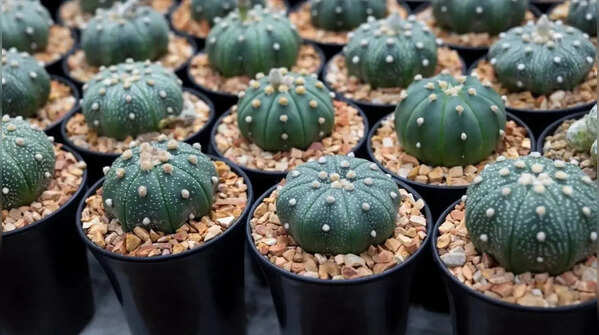
Not all attractive garden plants are safe to grow without any limitations. In different states of the United States, certain plant species are prohibited or controlled because of their invasive properties and potential to harm ecosystems or local fauna or become difficult to get rid of once planted. Most of such problematic plants have been previously imported from abroad as ornamental additions to private gardens and later recognized as harmful. Today, some are illegal to sell, plant, or transport. Here is the list of plants that are regulated in US gardening legislation.
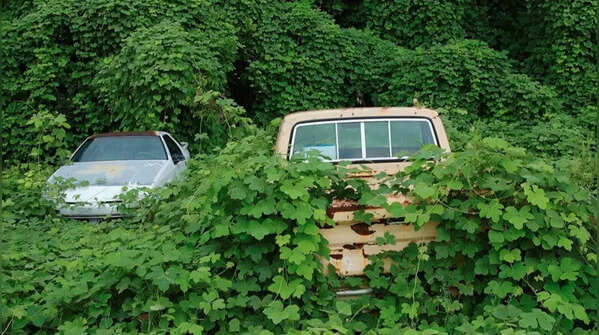
Kudzu – the plant that ate landscapes
Kudzu is one of the worst examples of invasive plant species in the USA, particularly in the southern part of the country. Though initially planted to prevent soil erosion, the plant quickly became widespread due to rapid growth and the ability to cover trees, buildings, and power lines, thus depriving native flora of essential sunlight. Some states control planting and transporting kudzu due to the negative effects it produces on the environment.
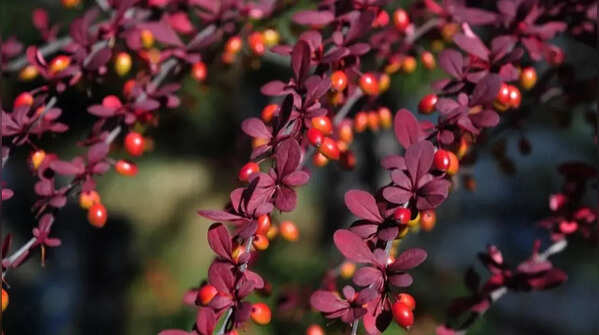
Japanese barberry – associated with tick infestations
Japanese barberry gained popularity among landscapers due to its unusual foliage and low maintenance. However, the plant tends to aggressively expand to forests and create a thicket that pushes out local flora. Additionally, the presence of barberry in the area is associated with tick infestations. That is why Japanese barberry was made illegal or heavily controlled in several US states.
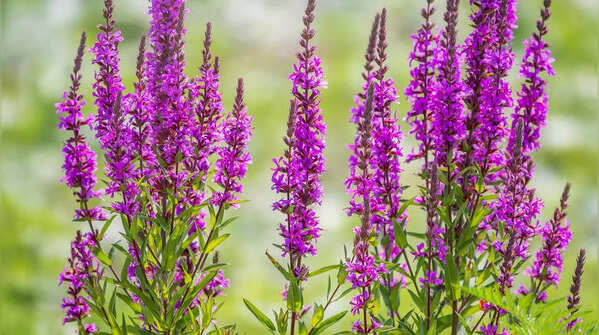
Purple loosestrife – damaging to wetlands
Purple loosestrife might look beautiful with its pretty purple flowers; however, it does great damage to wetlands. It spreads rapidly with the help of water and displaces local wetlands' flora used by birds, insects, and other wildlife as habitats. Growing and selling purple loosestrife are controlled in many states of America today.
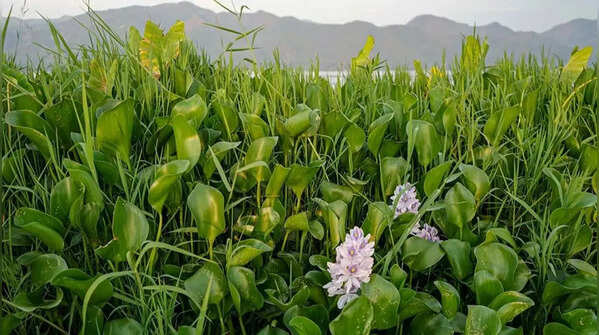
Water hyacinth – aggressive in the waters
Though water hyacinth is quite pretty with its beautiful flowers, it grows too rapidly and spreads all over water surfaces, including lakes and ponds. The plants reduce sunlight reaching deeper layers of water, thus degrading habitats of fish and causing environmental damage. In warm states, it is considered an environmental threat and, consequently, is regulated.
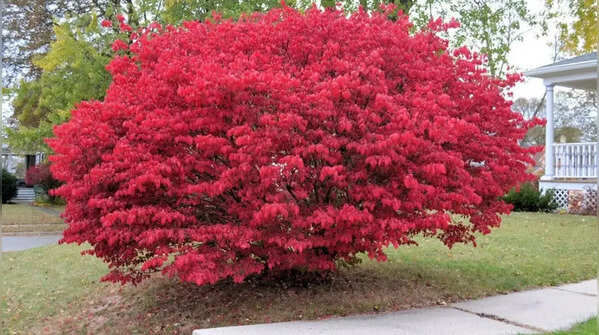
Burning bush – beautiful yet invasive
It is hard to pass by a burning bush, as it looks very appealing with its red leaves in autumn. However, it is considered invasive in many regions of the United States, as the plant tends to actively spread to forests and natural habitat areas. Seeds dispersed by birds ensure their fast expansion. Thus, some states prohibit growing or selling the plant.
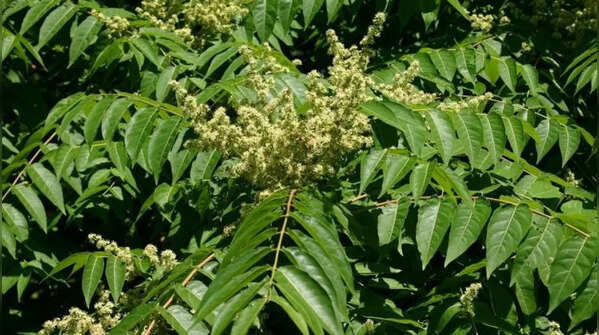
Tree of heaven – quick yet invasive
Tree of heaven is known for rapid growth in cities, along roads, and other urbanized areas; therefore, it is highly invasive and requires control measures. It spreads with the help of underground shoots and seed reproduction, dominating native flora. Furthermore, this tree serves as a host for invasive insects. Therefore, cultivation of it is discouraged in many places.
Disclaimer:
This article is for general informational purposes only. Plant restrictions and invasive species regulations in the United States may vary by state, county, and local environmental authority. Some plants mentioned here may be legal in certain regions while banned or controlled in others. Readers are advised to check with local agricultural departments, environmental agencies, or official government resources for the most accurate and up-to-date information before planting, purchasing, or removing any restricted species.
Featured In lifestyle

MORE FROM ETIMES
life & style