
- News
- lifestyle
- home-garden
- These plants are banned from being grown in UK gardens
These plants are banned from being grown in UK gardens
These plants are banned from being grown in UK gardens
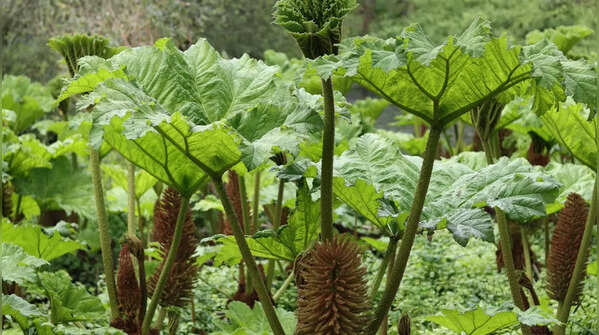
Although some plants are quite beautiful and attractive for your garden or yard, there are many plants that should not be cultivated. They can harm your garden and even be prohibited by law. There are some plant species which are either prohibited for cultivation in the UK or subject to very strict control because of possible harm to local ecosystems, waterways, wildlife, and even houses. Most of these plants have an aggressive behaviour, outgrow native species, and become impossible to remove. Besides, you can even get into serious trouble because of your plants. These plants can cause much harm and are prohibited or heavily controlled in the UK. Here are seven plants that are banned or restricted from being grown in UK gardens.
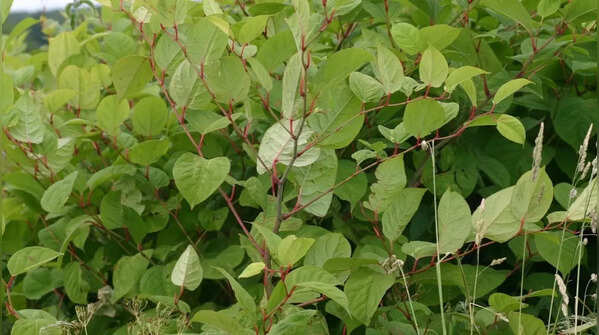
Japanese knotweed – the plant that damages buildings
Japanese knotweed is the name of a plant that is famous for its aggressiveness and rapid growing rate. Besides, it can cause various troubles because it can damage the foundation of a building or other constructions. Therefore, it is forbidden to let this plant grow freely and even cause trouble to your neighbours. Besides, if this plant is disposed of inappropriately, it may lead to much legal trouble.
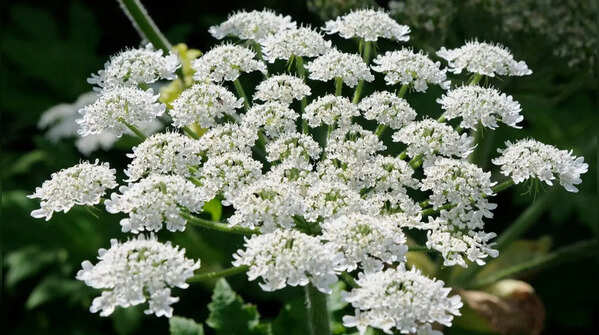
Giant hogweed – dangerous to touch
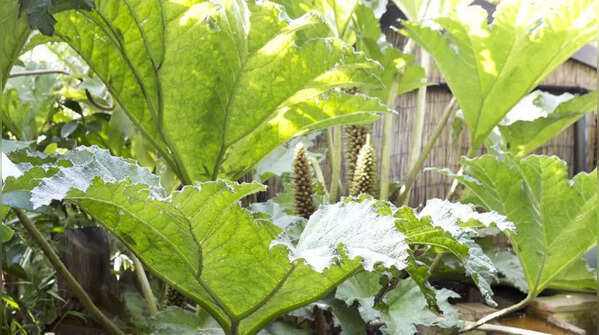
Giant hogweed is another plant that may be dangerous because of causing skin burns. You should be careful while touching this plant because otherwise you can get painful burns and rashes. This plant is known to spread rapidly near roads and rivers and is quite dangerous for the ecosystem because it spreads very fast.
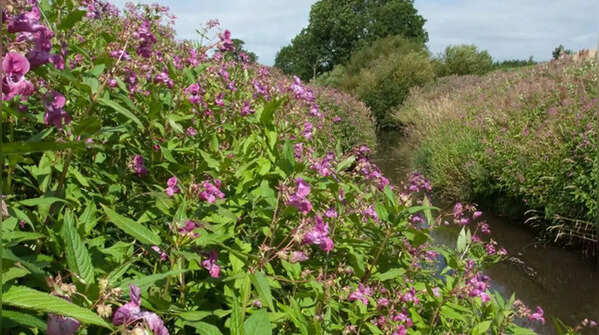
Himalayan balsam – fast-spreading near waterways
This beautiful plant is quite popular due to bright pink flowers. However, Himalayan balsam spreads quickly and becomes dominant on the territory because it can crowd other plant species. Besides, this plant is quite difficult to control. In addition, it grows rapidly and makes control more problematic. Moreover, its roots can worsen soil erosion along riverbanks.
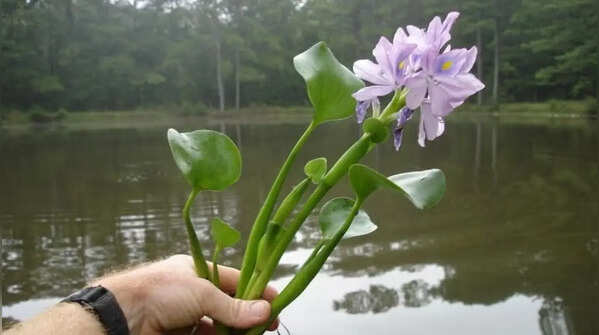
Water hyacinth – harmful to ponds and waterways
Water hyacinth is beautiful floating plant which is famous for its purple flowers. It grows in water and covers ponds completely. It blocks sun rays which cannot penetrate in water and reduces oxygen in the water. This may be a problem for the living organisms like fish and insects.
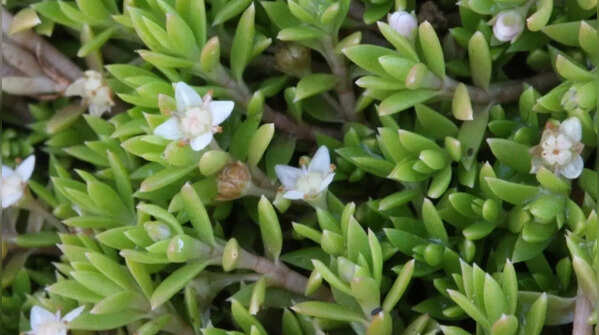
New Zealand pygmyweed – the hidden invasive threat
Although it may seem that this small floating aquatic plant does not have any significant impact, it may become a serious threat. Indeed, it can cover ponds and lakes rapidly. This plant creates dense layers that may influence the local ecosystem negatively. Moreover, this plant is extremely difficult to remove because even small fragments can develop into full plants again.
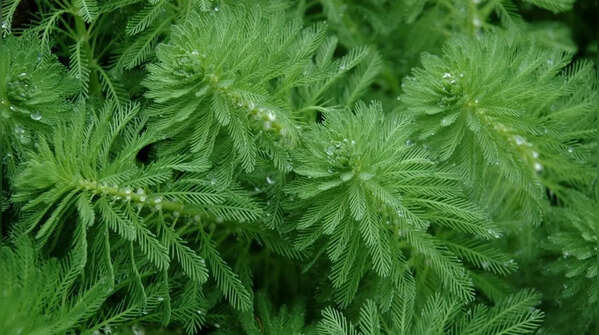
Parrot's feather—invasive in water gardens
A parrot's feather is sold in ponds frequently because it looks great. Its beautiful feathery foliage is appealing to people who cultivate ponds for pleasure. However, this plant may cause a lot of problems if cultivated freely. Parrot's feathers spread very rapidly over the water, creating a dense covering. This can lead to a lack of oxygen in the water.
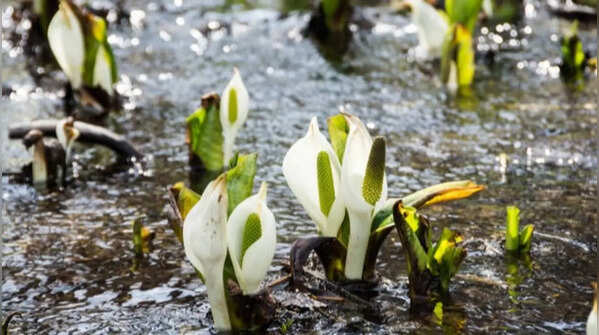
Skunk cabbage is harmful to wetlands
Although skunk cabbage looks quite unusual, it is considered a weed in some regions of the UK. It is able to spread aggressively on wet grounds destroying the local ecosystem gradually.
Disclaimer:
This article is for general informational purposes only. The plants mentioned here are subject to UK environmental regulations and invasive species laws, which may change over time. Restrictions on growing, selling, transporting, or disposing of certain plants can vary depending on local guidelines and environmental authorities. Readers are advised to check official UK government resources or consult local environmental agencies for the most accurate and up-to-date legal information before planting or removing any restricted species.
Featured In lifestyle

MORE FROM ETIMES
life & style