
- News
- lifestyle
- home-garden
- How to grow sacred marigold flowers in your home garden
How to grow sacred marigold flowers in your home garden

How to grow sacred marigold flowers in your home garden
Marigolds are considered sacred in India and are widely used in offerings to deities like Lord Ganesha and Goddess Lakshmi, symbolizing positivity and prosperity. Marigold is a bright, cheerful flowering plant that can add instant colour to a home garden. It is an annual with large blooms, a strong upright habit and a long flowering season when grown in the right conditions. Below are some steps to follow, for growing marigolds in your home garden:

Choose a sunny location
Marigolds need plenty of light to bloom well. A spot that gets full sun for most of the day is best, although African marigolds can appreciate a little afternoon shade in very hot weather. If the plant is kept in too much shade, it may grow weak and produce fewer flowers. A bright balcony, terrace, or sunny garden corner works well.

Use well-draining soil
These flowers dislike soggy roots, so the soil must drain well. Moist but well-drained soil is recommended, and marigolds tolerate dry conditions better than overly wet ones. If your soil is heavy mixing in compost or sand can improve drainage and help the roots grow more comfortably.
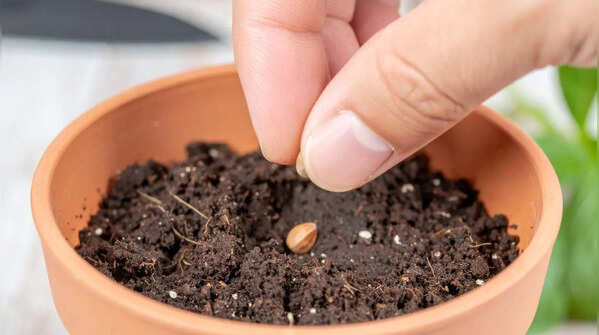
Start seeds indoors or plant after frost
Marigolds can be started from seed indoors before the last frost, then moved outside once the weather is safe. This gives the plant a strong start and better blooming later.

Give the plant enough space
African marigolds can grow quite large often reaching 1 to 4 feet in height so they need room to spread. Taller varieties may also need staking or protection from strong wind and heavy rain because their heavy flower heads can bend or snap stems. Good spacing improves air circulation too, which helps reduce disease problems.

Water carefully, not excessively
Marigolds like regular moisture when they are young, but not wet soil. Once established, they become fairly drought tolerant and can perform well in home gardens and containers. The best routine is to water deeply when the top soil begins to dry, rather than giving small amounts of water every day.
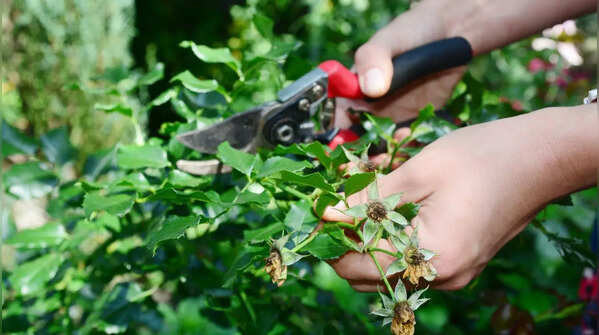
Pinch and deadhead for more blooms
If you want a fuller plant with more flowers, pinch back young stems to encourage branching. Removing spent flowers, also called deadheading, helps the plant put more energy into new blooms instead of seed production. Deadheading and pinching can keep marigolds looking healthier, bushier and more floriferous.

Watch for common pests and diseases
Marigolds are usually fairly easy to manage, but they can still face issues such as spider mites, thrips, aphids, leaf spot, powdery mildew and root rot in wet soil. Keeping the soil well drained, removing rotting flowers, and giving the plant enough air and sunlight can reduce these problems. Good care is often the best protection in a home garden.
Growing sacred marigold flowers in your home garden is simple, rewarding, and beginner-friendly. With enough sunlight, well-draining soil, careful watering, and regular deadheading, the plant can produce bright, long-lasting blooms that bring warmth and life to any space. Its easy nature and cheerful flowers make it a lovely choice for balconies, flower beds and container gardens.
All Image Credits: Canva
Featured In lifestyle

MORE FROM ETIMES
life & style