
- News
- lifestyle
- home-garden
- How to graft plants at home (Simple step-by-step guide for beginners)
How to graft plants at home (Simple step-by-step guide for beginners)
How to graft plants at home (Simple step-by-step guide for beginners)
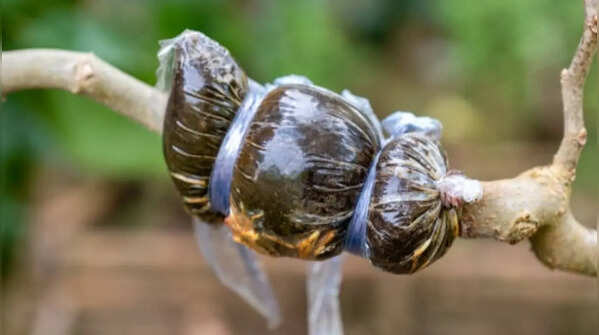
Grafting is one of the most intriguing gardening practices, which allows combining two different plants into one plant. Although it seems to be a complex skill, everyone is able to apply this technique in their home garden. Such grafting is usually used to produce fruit with improved characteristics, increase a plant's resistance, or grow several plant varieties on one tree. Below is a simple guide on how to perform this procedure successfully.
Learn basic information about the procedure
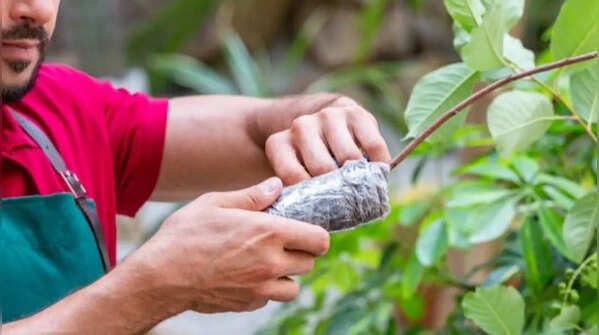
If you wish to perform successful grafting, you need to understand how this process works. Basically, when grafting plants, you unite the parts of two plants – rootstock (the bottom part of the plant with the strong root) and scion (the cutting from another plant you wish to cultivate). These parts are supposed to fuse together into one tree. However, the key here is the similarity of the plants, only the representatives of the same species can be joined.
Select healthy plants and appropriate tools
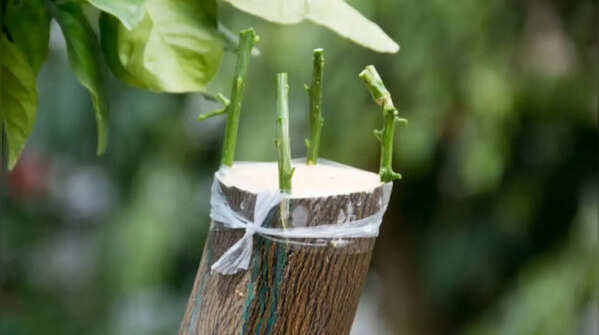
The selection of the plants is the crucial part of grafting. Therefore, you will need to select healthy plants: rootstock with a good root system and scion without diseases. Moreover, the scion should be freshly cut. In addition to the plants themselves, you will need a knife or blade, a grafting tape, and (optionally) sealing wax. Cleanliness of your equipment and proper preparation of your plants will make the procedure easier.
Make clean cuts to unite plants
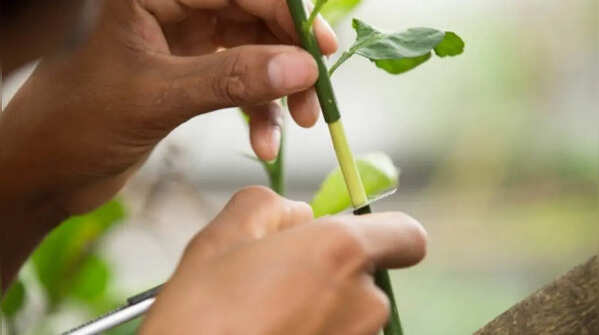
The most important thing is to perform proper cuts. First, cut the top part of your rootstock and trim it properly. Then you should make a similar cut of the base of your scion. The purpose of such actions is to create proper contact between the cambia of two plants. When the cambia meet each other, put the scion on the prepared rootstock. Proper clean cuts allow for better bonding of the parts.
Bind and cover grafts
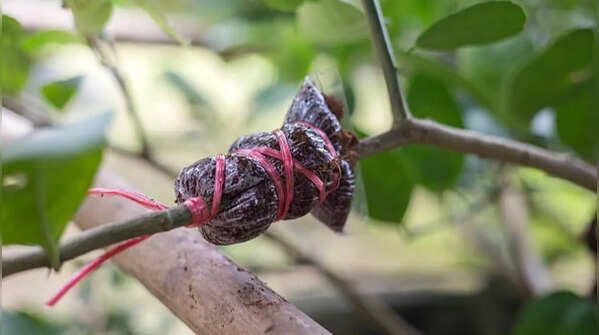
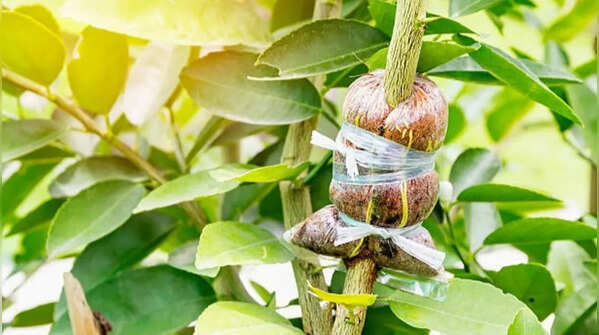
Once you have united two plants, you will need to bind them tightly using grafting tapes or other binding material. The binding will not allow the scion to dry. In addition, you can also cover the cut parts with sealing wax. After you have completed the procedure, you will need to put the newly created plant in a cool place where it will not be affected by wind. Such protection is necessary.
Monitor the development of the plant
Although you have finished the main process, you still need to monitor your plant. In several weeks, you should see signs of growth, green shoots from the scion. At that point, all shoots that appeared on the rootstock should be removed. Provide enough water and light for the plant after it has grown for several days.
Featured In lifestyle

MORE FROM ETIMES
life & style