
- News
- lifestyle
- home-garden
- Beehive in your garden? Safe removal, natural repellents and eco-friendly control tips that work
Beehive in your garden? Safe removal, natural repellents and eco-friendly control tips that work
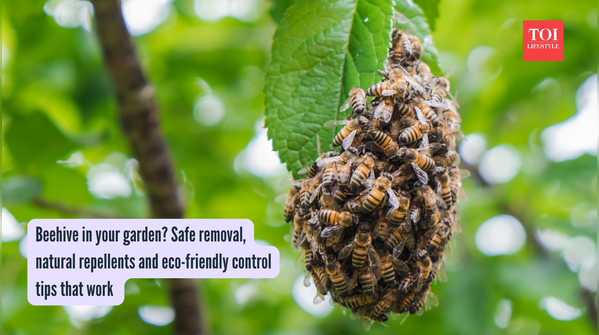
Beehive in your garden Safe removal, natural repellents and eco-friendly control tips that work
Bees are tiny but powerful contributors in our ecosystem, quietly pollinating many of the plants we depend upon for food and flowers. But whenever we spot a hive in our surroundings or closer to our home, the fear of stings and swarms can quickly change into panic mode.
Bee stings can be painful, and for people with allergies they can even become life‑threatening, so it’s natural to want to clear the hive as soon as possible. At the same time, using harsh chemicals or smashing the hive can harm the environment and make the bees go rash and irritated, stinging and biting the people around them.
Here are some ways to carefully get rid of bee hives by killing them or getting hurt.
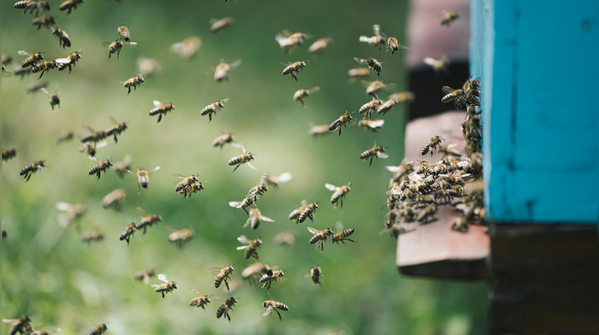
Smoke them out safely and gently
Using light smoke is a traditional way to encourage bees to leave a hive without harming them. Instead of setting the hive on fire, which is dangerous and can trigger heavy stinging, it is often suggested creating a small, controlled smoky area under or near the hive.
The bees, sensitive to smell, usually become uneasy and may relocate over time. Stay well away while you do this, because bees can get agitated and more defensive when smoked. If the hive is in a risky spot like a wall or roof, it’s safer to leave this to a professional who has the right gear and experience.
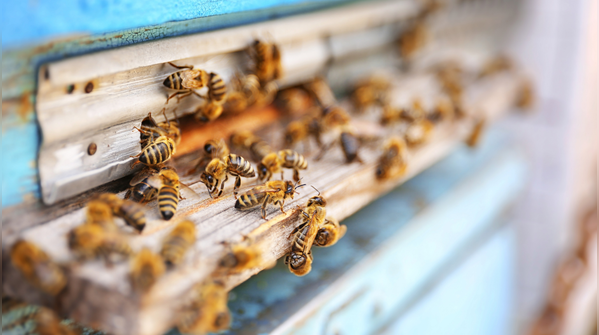
Use natural scents that bees dislike
Bees have a strong sense of smell, so certain odours can gently push them away from unwanted areas. Citronella, commonly used as a mosquito repellent, is also unpleasant for bees, so citronella sticks, candles, or lightly sprayed solutions can make nearby spaces less attractive to them.
Peppermint, with its sharp minty scent, and cinnamon, with its spicy, woody smell, also act as natural repellents when placed or sprinkled around hive entry points or high‑traffic zones.
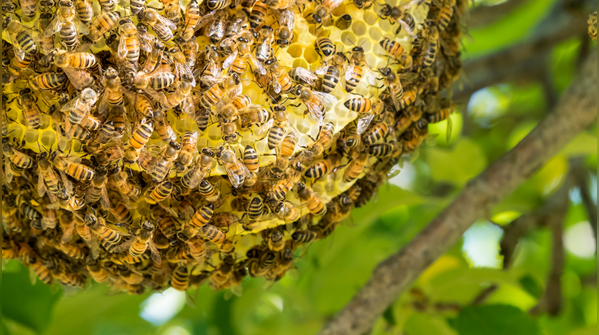
Relocating the colony instead of destroying it
The most humane way to remove a honeybee hive is relocation, not extermination. Since worker bees always follow the queen, professionals can carefully capture the queen and move the whole colony to a safe outdoor hive or apiary where bees can keep pollinating and making honey.
This keeps the bees alive and helping them control their ecological role, while also reducing the risk to your home and family. But keep in mind to call a professional for help, do not try doing this on your own.
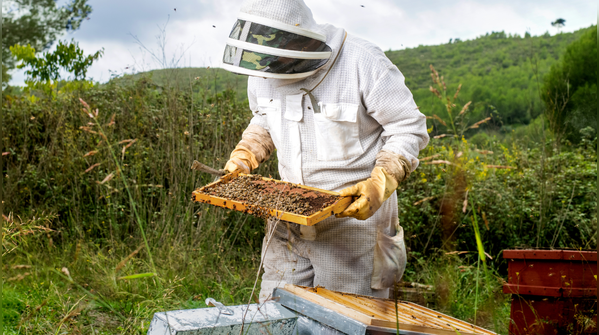
Contact a professional
While smoke, scents, and plants can help with small bee problems, they are not always strong enough for multiple hives or indoor nests. In such cases, calling a professional bee‑removal or pest‑control service is the safest option, especially if the hive is near doors, children’s play areas, or in a chimney or wall cavity.
These experts have protective suits, special tools, and experience with bee behaviour and building structures, so they can remove or relocate the hive safely and efficiently. If anyone in your household has a known bee‑sting allergy, it is even more important to avoid DIY methods and get professional help quickly.
Featured In lifestyle

MORE FROM ETIMES
life & style