
- News
- lifestyle
- home-garden
- 8 edible flowers to grow for a naturally colourful culinary style
8 edible flowers to grow for a naturally colourful culinary style
8 edible flowers to grow for a naturally colourful culinary style
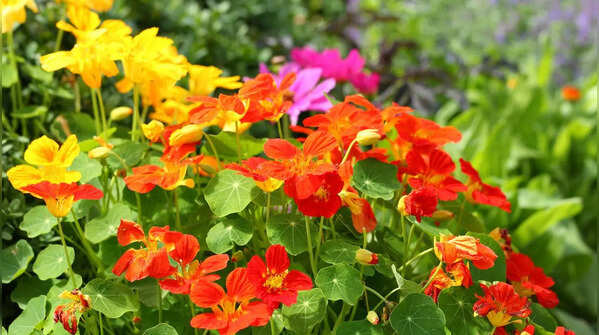
Edible flowers have been a part of many traditional cuisines around the world. These flowers are not only a delight for the eyes but also offer a variety of flavours and health benefits. From colourful salads to scented teas and desserts, edible flowers are a great way to add a new dimension to your regular meals. Growing your own edible flowers is a great way to have access to fresh and chemical-free flowers for your culinary adventures.
Always ensure flowers are organically grown and correctly identified. Here are eight such varieties of edible flowers:
Image Credit: Canva
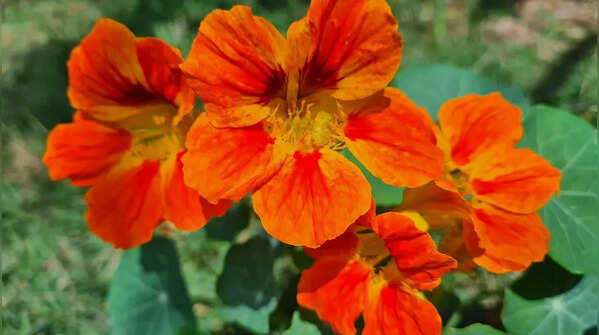
Nasturtium
Nasturtium flowers are probably the easiest edible flowers to grow and are loved for their bright orange, red, and yellow shades. The flowers have a peppery taste and a hint of spice, similar to arugula. The leaves and flowers of the plant are edible and also have health benefits due to the presence of plant compounds.
Image Credit: Canva
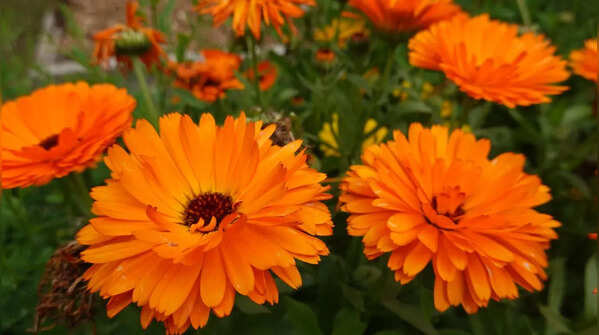
Calendula (Pot Marigold)
Calendula petals, also known as “poor man’s saffron,” have a mild, slightly tangy taste and a golden coluor, which they add to dishes. Calendula petals are used in soups, rice, and herbal teas. Calendula flowers are easy to grow in home gardens, and they are not only used as a garnish but also have a long history of medicinal use.
Image Credit: Canva
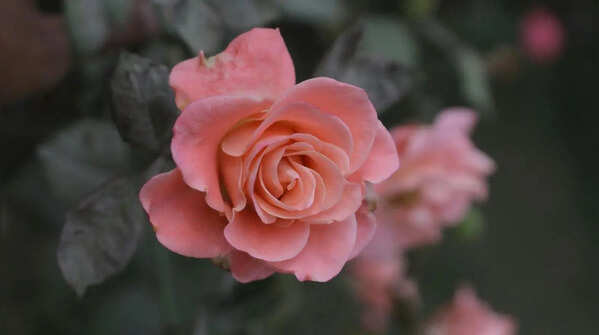
Rose
Rose petals are a common ingredient in many cuisines due to their sweet, aromatic taste. They can be used in sweet dishes, jams, syrups and sometimes in drinks, like rose-infused drinks. Only the petals are used in cooking, and their aroma is similar to their taste.
Image Credit: Canva
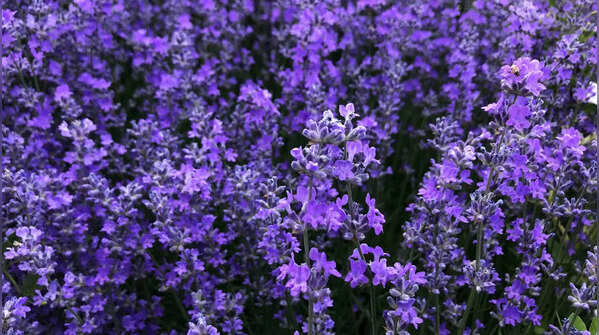
Lavender
Lavender is appreciated for its strong scent and light floral flavour. It combines well with baked goods, teas, syrups, and even savoury dishes in moderation. The flowers are small but effective, as they provide not only aroma but also visual interest. The relaxing quality of the flowers also makes them suitable for herbal teas and health-related dishes.
Image Credit: Canva
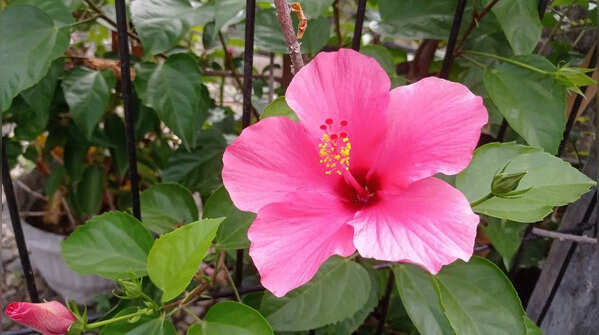
Hibiscus
The hibiscus flowers are known for their bright colours and tart cranberry taste. These flowers are used in teas, jam, drinks, etc., as they give a unique taste to the dish. The flowers are rich in antioxidants, which makes them another favourite choice. The bright red colour of these flowers is another reason people like them in a dish.
Image Credit: Canva
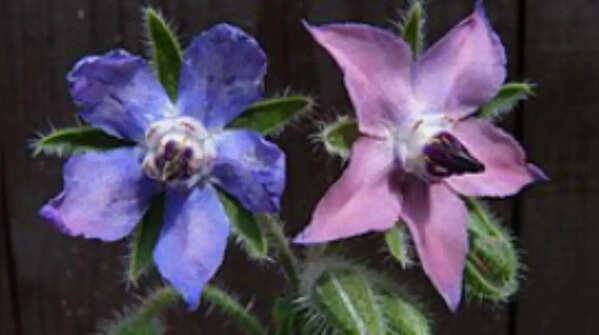
Borage
The flowers of the borage plant are delicate, star-shaped, and a beautiful shade of blue, with a mild taste similar to cucumber. These flowers are perfect for use in salads, desserts, and drinks, as they add a unique taste to these dishes. These flowers are a favourite in gourmet dishes.
Image Credit: Wikipedia
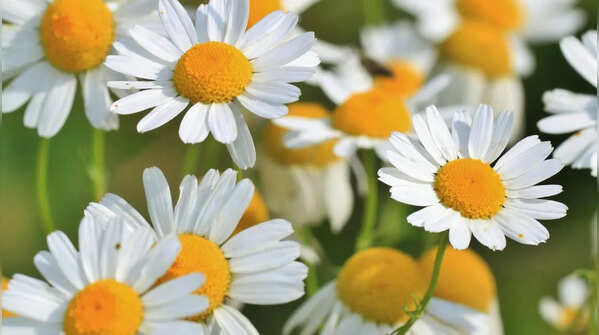
Chamomile
Chamomile flowers are best known for their use in herbal tea, offering a gentle, slightly sweet and earthy flavour. Beyond tea, they can be infused into syrups, desserts and baked goods. Easy to grow and harvest, chamomile adds both culinary versatility and calming properties to your kitchen garden.
Image Credit: Canva
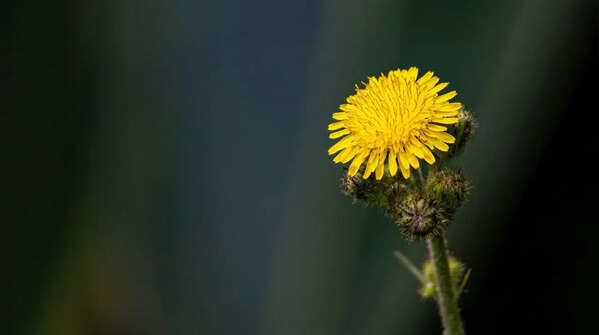
Dandelion
Often considered a weed, dandelion is actually a highly nutritious edible flower. Its bright yellow blossoms can be eaten raw in salads, fried or used to make jellies and teas. Every part of the plant is edible making it a versatile and sustainable choice for home gardeners looking to experiment with natural ingredients.
Edible flowers offer a perfect blend of beauty, flavour, and nutrition, transforming simple meals into visually stunning and flavourful creations. By growing flowers like nasturtium, rose, and hibiscus at home, you can embrace a naturally colourful culinary style while ensuring freshness and safety. With a little creativity, these blooms can turn everyday cooking into an artistic and delightful experience.
Image Credit: Canva
Featured In lifestyle

MORE FROM ETIMES
life & style