- News
- lifestyle
- home-garden
- 11 plants you should never plant near cucumbers for healthy growth and yield
Trending
11 plants you should never plant near cucumbers for healthy growth and yield
For a bountiful cucumber harvest, avoid planting them near potatoes, melons, or fennel, as they compete for resources or release harmful chemicals. Aromatic herbs may affect flavor, while squash shares pests. Black walnut trees produce a toxic substance, and mint aggressively steals nutrients. Brassicas, tomatoes, eucalyptus, and Jerusalem artichokes also hinder cucumber growth.
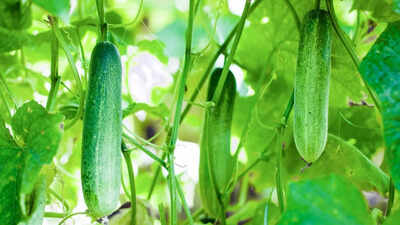
Grow cucumbers successfully by avoiding these 11 plants
Potatoes

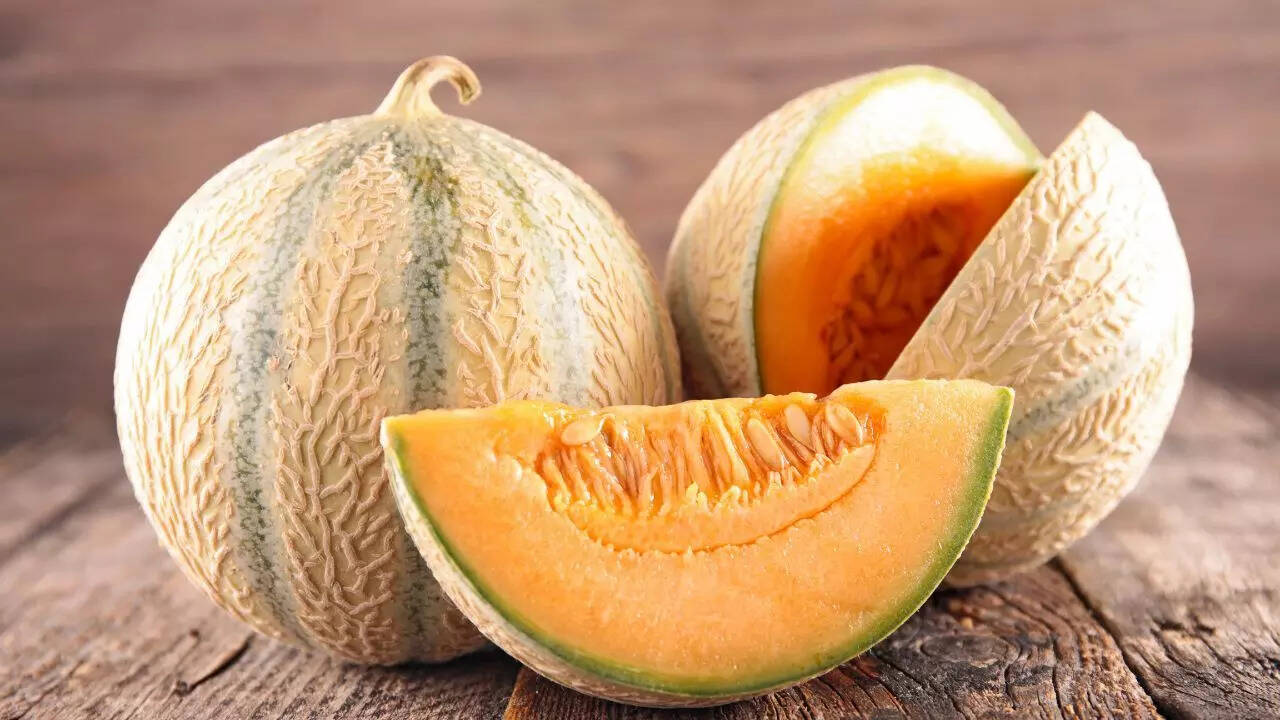
Melons
Fennel
Aromatic herbs
Squash

Black walnut trees
Mint
Brassicas
Tomatoes
Eucalyptus
Jerusalem Artichokes


About the AuthorTOI Lifestyle Desk
End of Article
Follow Us On Social Media










Photostories
Tired of too many ads?go ad free now
lifestyle videos
Featured In Lifestyle

Tired of too many ads?go ad free now
MORE FROM ETIMES
life & styleHot on the Web
Ukrainian WomanKidney HealthLizard Free Home TipsAmitabh BachchanBelly Fat Loss TipsOG Box Office CollectionAvatar: Fire and Ash TrailerHigh Blood PressureDiljit DosanjhBrain HealthRanveer AllahbadiaBengali Durga Puja Non Veg FoodSalman KhanGut HealthPeripheral Artery DiseaseMagnesium SupplementsBlind SnakesIndia TourismAbhinav KashyapAurra BhatnagarArchana Puran SinghSameer WankhedeKomodo Dragon vs. CrocodileNavratri 2025Bigg Boss 19Akshay KumarSaturn VisibilityMeena KumariJolly LLB 3 Box Office CollectionLiver Disease SymptomsElephant Safari National ParkAlmond Milk BenefitsAnupam MittalSnakes VS MongoosesMadagascar Elephant BirdHypertensionProstate Cancer SymptomsImportant Medical TestsLiver Failure SymptomsArtemis ii 2026Turmeric Face Mask
Trending Topics
Latest MoviesBollywood MoviesHollywood MoviesTamil Movies 2025Telugu Movies 2025Malayalam Movies 2025Kannada Movies 2025Marathi Movies 2025Bengali Movies 2025Top Rated Movies 2025Best Hindi MoviesBest English MoviesBest Telugu MoviesBest Tamil MoviesBest Malayalam MoviesBest Kannada MoviesBest Bengali MoviesUpcoming Hindi MoviesBest Movies Of All TimeBest Hindi Movies of All TimeLatest English MoviesLatest Malayalam MoviesEnglish TV NewsTamil TV NewsTelugu TV NewsMalayalam TV NewsKannada TV NewsMovie ReviewsBhojpuri Cinema NewsGujarati Cinema News
Popular Categories
Viral NewsK Pop NewsWeb Series NewsAnime NewsUpcoming English MoviesUpcoming Tamil MoviesUpcoming Telugu MoviesUpcoming Malayalam MoviesUpcoming Kannada MoviesFashion TipsTravel NewsEntertainment NewsBollywood NewsTollywood NewsKollywood NewsMollywood NewsFood NewsLatest Hindi MoviesLatest Tamil MoviesParenting TipsHome RemediesWeight LossBeauty TipsParenting TipsHindi VideosHindi Video SongsBhojpuri Music VideosLatest Telugu MoviesBhojpuri Music VideoHindi TV News
Latest News
Numerology horoscope today, September 26, 2025: What your name's first letter reveals today'The Housemaid’ author Freida McFadden praises upcoming film, Sydney Sweeney’s performance, and more - ReportBengaluru: Woman slapped, kicked, dragged on floor 'for stealing sari'; 2 arrestedMajor League Soccer: Inter Miami midfielder Sergio Busquets announces retirement dateKarnataka PGCET counselling 2025: Round 1 seat allotment dates announced, check details hereNetizens ask why Janhvi Kapoor didn't wear Sridevi's necklace with her saree at 'Homebound' premiere; is Aishwarya Rai the reason for it? Find outUFC at White House: Conor McGregor lists shocking demands for fightOval Office moment: Why Trump wore fighter jet lapel pin during Pakistan PM meet — what it could meanThiruvananthapuram schools, colleges shut today due to heavy rains; IMD issues alerts across Kerala: Check details hereFIR against Pawan Kalyan fans; 'OG' screening celebration halted; Stage, DJ dismantled in BengaluruFear of 'deshdrohi' tag: Gujarat teacher duped of Rs 30 lakh; fraudster posed as copWhy India’s youngest state is planning its greenest city: Telangana unveils 'Bharat Future City' to be net-zero and smartUS CDC: Life-threatening brain illness seen in kids in 2024-25 flu season, most were not vaccinatedTelangana rains: 3 IndiGo Hyderabad flights diverted to Vijayawada; CM Revanth Reddy urges cautionSlimy Venom like alien, walking with scary tentacles found in a backyard: Man claims it fell from a meteoriteBlood cancer awareness month: Doctor breaks down symptoms and care optionsTrump’s 100% tariffs on pharma: Sun Pharma, Biocon, Cipla & other pharmaceutical stocks tank; jitters on D-StreetWhy bathua might be India’s super green vegetable for immunity, weight loss, and heart health