
- News
- lifestyle
- health-fitness
- weight-loss
- Weight loss food for women: 7 high-protein foods women can find anywhere
Weight loss food for women: 7 high-protein foods women can find anywhere
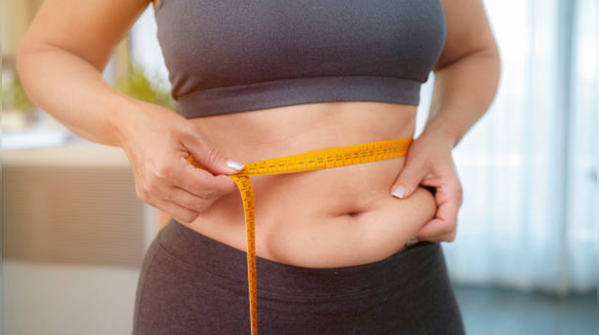
Why protein quietly makes weight loss easier
Weight loss often feels harder than it should. You eat less, try to be “good,” and still feel tired, hungry, and annoyed by evening. That’s usually not a willpower problem. It’s a food balance problem. Protein helps because it keeps you full, steadies blood sugar, and stops those sudden snack cravings that hit out of nowhere. And no, this isn’t about fancy powders or extreme diets. Everyday foods can do the job just fine. Foods you’ve seen all your life. Foods you can buy from a local store without thinking twice.
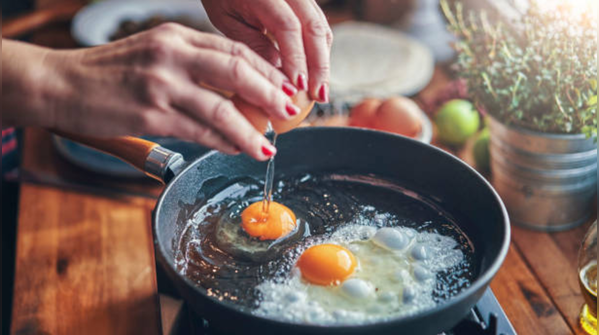
Eggs: Simple, filling, and hard to beat
Eggs are one of those foods people love to overthink. Are they good? Are they bad? The truth is, eggs are a quiet weight-loss ally. They’re rich in protein, they digest slowly, and they keep hunger away for hours. That’s why an egg-based breakfast often feels more satisfying than toast or cereal.
And eggs don’t need drama. Boiled eggs, omelettes with vegetables, or scrambled eggs at home all work. When protein starts your day, you’re less likely to reach for biscuits or sugary snacks by mid-morning. So yes, eggs may look simple, but they do heavy lifting behind the scenes.
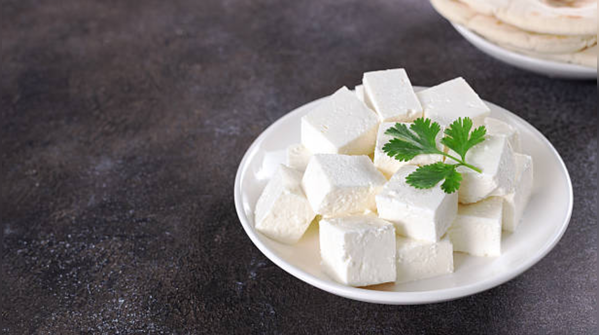
Paneer: Comfort food that actually helps
Paneer already has a place in many kitchens, which makes it easy to work with. What helps with weight loss is its protein content and how slowly it digests. Paneer keeps you full and reduces the urge to snack mindlessly.
The trick is portion and preparation. Lightly sautéed, added to salads, or used in simple curries works better than deep-fried versions. Paneer doesn’t spike blood sugar the way many carb-heavy foods do. And when hunger is controlled, weight loss feels less like a battle.
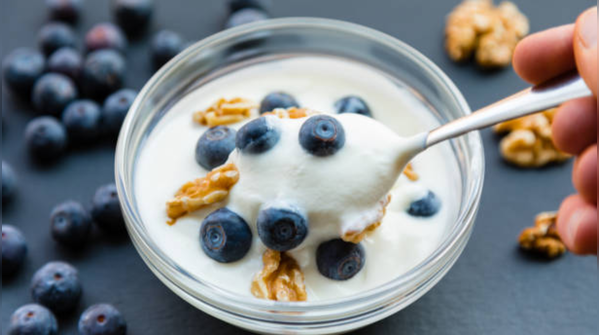
Greek yogurt or thick curd: Gentle but powerful
Yogurt doesn’t scream “weight loss,” but it quietly supports it. Thick curd or Greek yogurt gives you protein, helps gut health, and feels comforting. It’s especially useful for women who struggle with bloating or digestion issues while dieting.
A bowl of curd with seeds, vegetables, or even plain works well as a snack or part of a meal. It fills the stomach without heaviness. And when digestion improves, energy levels often follow. That matters more than people realise when trying to lose weight.
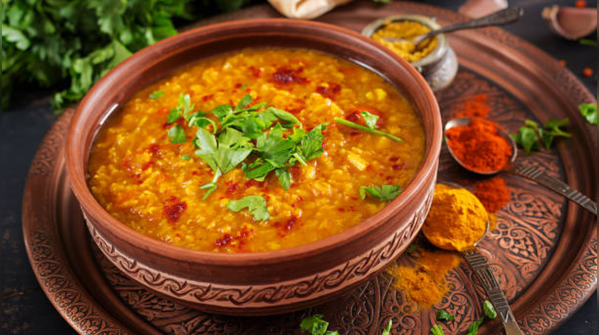
Dal and lentils: Familiar and underestimated
Dal doesn’t get enough credit. It’s affordable, familiar, and packed with protein and fibre. That combination keeps you full and prevents overeating later. Dal also fits into everyday meals easily, which makes consistency easier.
The key is balance. Pair dal with vegetables and a sensible portion of rice or roti. When protein and fibre lead the meal, cravings calm down. Weight loss doesn’t need foreign foods. Sometimes it just needs smarter portions of what you already eat.
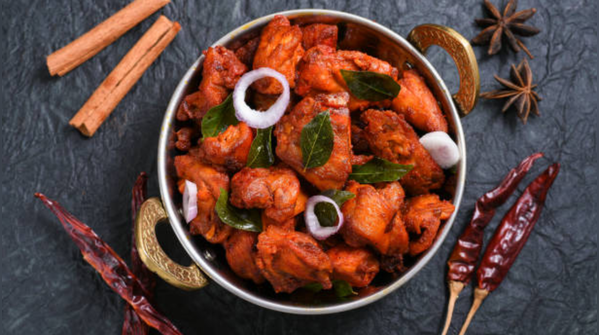
Chicken: Lean, filling, and practical
Chicken is one of the easiest high-protein foods to include if you eat non-vegetarian food. It’s filling without being heavy, and it supports muscle mass while you lose fat. That matters, especially for women, because muscle helps keep metabolism steady.
Grilled, roasted, or lightly cooked chicken works best. Rich gravies and deep-fried versions can undo the benefits. When chicken is prepared simply, it keeps you satisfied and reduces late-night hunger that often leads to overeating.
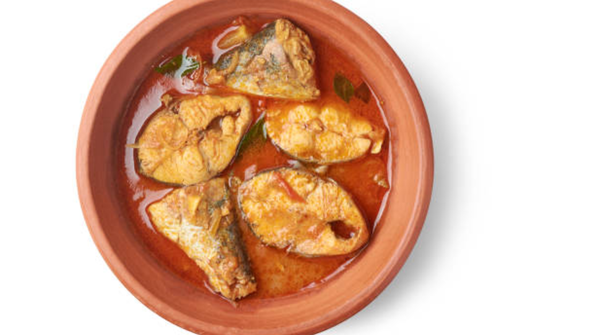
Fish: Protein plus something extra
Fish offers protein, but it also brings healthy fats that help control appetite and support hormones. That’s important because hormonal balance plays a big role in weight gain and loss for women.
Fish meals often feel lighter but still satisfying. They don’t sit heavy in the stomach, and they help keep energy steady. Regular fish intake can reduce cravings and support overall health, which makes weight loss feel less exhausting.
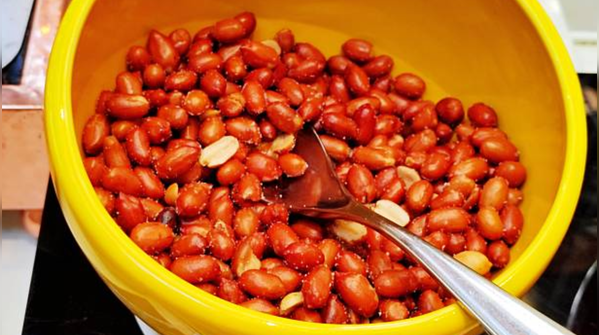
Roasted chana and peanuts: Small but mighty
Snacking is where many weight-loss plans fall apart. Roasted chana and peanuts can help if eaten mindfully. They’re high in protein, easy to carry, and far better than packaged snacks.
A small handful can calm hunger and stop impulse eating. They chew slowly, which gives your brain time to register fullness. And because they’re familiar, they don’t feel like “diet food.” That makes them easier to stick with long term.
Why consistency matters more than perfection
Weight loss doesn’t come from eating perfectly every day. It comes from eating sensibly most days. High-protein foods help because they reduce hunger, stabilise mood, and make meals feel complete.
You don’t need to eat all seven foods daily. Choose what suits your lifestyle, culture, and taste. Rotate them. Keep meals simple. When food stops feeling like punishment, weight loss becomes more realistic and sustainable.
So no extreme rules. No starving. Just everyday protein-rich foods doing their quiet work, meal after meal.
Featured In lifestyle

MORE FROM ETIMES
life & style