- News
- lifestyle
- health-fitness
- health-news
- Zinc deficiency symptoms that show up on the skin: Causes and remedies
Trending
Zinc deficiency symptoms that show up on the skin: Causes and remedies
Zinc deficiency can manifest through skin problems like dry patches, rashes, hair loss, and slow wound healing. These symptoms often appear first on the skin due to the mineral's vital role in cell growth and repair. Addressing the deficiency through supplements, dietary changes, or treating underlying conditions can reverse these skin issues and restore healthy skin.
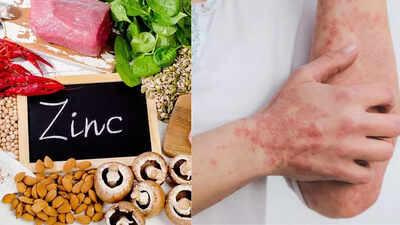
Skin symptoms linked to zinc deficiency
How zinc supports healthy skin
Causes of zinc deficiency
Remedies for zinc deficiency

About the AuthorTOI Lifestyle Desk
End of Article
Follow Us On Social Media










Photostories
Tired of too many ads?go ad free now
lifestyle videos
Featured In Lifestyle

Tired of too many ads?go ad free now
MORE FROM ETIMES
life & styleHot on the Web
Ukrainian WomanKidney HealthLizard Free Home TipsAmitabh BachchanBelly Fat Loss TipsOG Box Office CollectionAvatar: Fire and Ash TrailerHigh Blood PressureDiljit DosanjhBrain HealthRanveer AllahbadiaBengali Durga Puja Non Veg FoodSalman KhanGut HealthPeripheral Artery DiseaseMagnesium SupplementsBlind SnakesIndia TourismSameer AnjaanAurra BhatnagarArchana Puran SinghSameer WankhedeKomodo Dragon vs. CrocodileNavratri 2025Bigg Boss 19Akshay KumarSaturn VisibilityMeena KumariJolly LLB 3 Box Office CollectionLiver Disease SymptomsElephant Safari National ParkSigns Of High CholesterolLung Cancer Vs Lung InfectionAlmonds Vs WalnutsMadagascar Elephant BirdKomodo Dragon Vs CrocodileProstate Cancer SymptomsSigns Of Kidney FailureLiver Failure SymptomsLose Stubborn Belly FatSmells Lizards
Trending Topics
Latest MoviesBollywood MoviesHollywood MoviesTamil Movies 2025Telugu Movies 2025Malayalam Movies 2025Kannada Movies 2025Marathi Movies 2025Bengali Movies 2025Top Rated Movies 2025Best Hindi MoviesBest English MoviesBest Telugu MoviesBest Tamil MoviesBest Malayalam MoviesBest Kannada MoviesBest Bengali MoviesUpcoming Hindi MoviesBest Movies Of All TimeBest Hindi Movies of All TimeLatest English MoviesLatest Malayalam MoviesEnglish TV NewsTamil TV NewsTelugu TV NewsMalayalam TV NewsKannada TV NewsMovie ReviewsBhojpuri Cinema NewsGujarati Cinema News
Popular Categories
Viral NewsK Pop NewsWeb Series NewsAnime NewsUpcoming English MoviesUpcoming Tamil MoviesUpcoming Telugu MoviesUpcoming Malayalam MoviesUpcoming Kannada MoviesFashion TipsTravel NewsEntertainment NewsBollywood NewsTollywood NewsKollywood NewsMollywood NewsFood NewsLatest Hindi MoviesLatest Tamil MoviesParenting TipsHome RemediesWeight LossBeauty TipsParenting TipsHindi VideosHindi Video SongsBhojpuri Music VideosLatest Telugu MoviesBhojpuri Music VideoHindi TV News
Latest News
Bangladesh paid the price vs Pakistan, will India regret catches dropped next?UAE bans AI generated images of national figures and symbols without official approvalBobby Deol says he was heartbroken when removed from 'Jab We Met', which starred Shahid Kapoor, Kareena Kapoor eventually: 'I have nothing against Imtiaz'Will Indian students shun US colleges after Trump’s H-1B visa reset?Actress Keerthana Podhuval joins the cast of Karthigai Deepam2025 Suzuki V-Strom SX launched at Rs 1.98 lakh: What's new, engine & moreIdols get decked up ahead of Pujo celebrations in the cityIs daily running accelerating your ageing? NYC surgeon reveals surprising risks to joints, face, and overall healthWho is ‘La Diabla’? Woman harvest organs from pregnant women and sell newborns to US couples for $14,000 eachSupreme Court permits manufacture of green firecrackers in Delhi-NCR, bars saleBig relief for India: Pacer Arundhati Reddy is 'fit & fine'Trump’s 100% tariffs on branded drugs: Which Indian pharma stocks are most vulnerable? Experts weigh in'Dangerous alien': US arrests another 'illegal' Indian for multi-vehicle crash; blasts California governor for issuing licenseThings you should never keep by your bed sideCID stars Aditya Srivastava and Dayanand Shetty reunite, fans relive memories of Abhijeet and DayaPoll blitz: PM Modi sends Rs 10,000 to 75 lakh women in Bihar; all you need to know about the schemeWorld Dumplings Day: Gyoza, Jiaozi or Momo What's your pick? Here's a guide to some interesting dishes to try out in Mumbai!Is male pattern baldness a sign of fertility issues? Here’s what you need to know