- News
- lifestyle
- health-fitness
- health-news
- Why breast is best!
Trending
This story is from August 5, 2016
Why breast is best!
World Breastfeeding Week aims to increase awareness about the importance of breastfeeding.
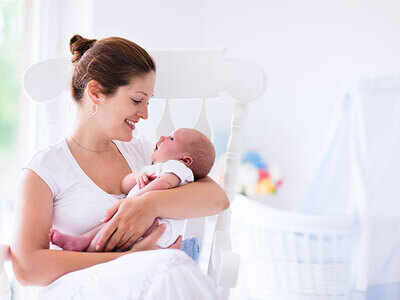
Breastfeeding is one of the most beautiful experiences of motherhood (Thinkstock)
World Breastfeeding Week 2016 from August 1 to 7 is currently being held in countries around the world to create awareness about the importance of exclusively breastfeeding newborns for the first six months of their lives. Recent years have seen a number of international celebrities not only speak about the positive impact that breastfeeding has both on the mother and baby, but have also posted pictures of themselves on social media in order to encourage women to breastfeed. Supermodel Gisele Bundchen made headlines when she posted a picture of herself breastfeeding her daughter, Vivian Lake, while her team got her ready for an event. A number of other celebs have followed suit and posted similar pictures, much to the delight of doctors around the globe.
Benefits of breastfeeding
Gynaecologist Dr Nilesha Chitre says that support for breastfeeding is universal. “WHO states that breast milk is ideal food for the healthy growth and development of infants. Breastfeeding is also an integral part of the reproductive process with important implications for the health of the mother. WHO recommends continued, frequent, on demand breastfeeding until two years of age and beyond. Breastfeeding decreases the risk of respiratory infection and diarrhoea. It also lowers the risk of asthma, food allergies, Type 1 diabetes and leukemia in children. Certain studies say that breastfeeding may improve cognitive development and decrease the risk of obesity in adulthood. Benefits of breastfeeding include less blood loss following delivery, better uterus shrinkage, weight loss and lower chances of postpartum depression. Long term benefits may include a decreased risk of breast cancer, cardiovascular disease and rheumatoid arthritis,” he says.
An ideal diet for feeding mothers
“Lactating mothers should not take any herbal or natural supplements without consulting their doctor. They should also avoid alcoholic beverages. If an occasional, alcoholic drink is consumed, then breastfeeding should be avoided for two hours after the drink. HIV+ve mothers have to avoid breastfeeding for the concern of viral load in breast milk. Other infections of concern could be active untreated tuberculosis or human T lymphotropic virus,” adds Dr Chitre.
What to eat and avoid
A combination of cereals and pulses (rajma chawal, whole grain, puran poli, khichdi, mung etc) provide plenty of protein, calcium and iron. “Three teaspoons of ghee per day are also recommended. Ghee contains Medium Chain Triglycerides (MCTs) that help in a baby’s brain development. A diet packed with fruits and vegetables is also important. Have a minimum of five servings of fruits and vegetables each day — this will help both mother and baby get essential nutrients. Nuts and seeds are super healthy and most mothers aren’t eating enough of them. They are a great natural source of vitamins, minerals, calcium, magnesium, protein, fat, and fibre. Your seeds list should comprise chia seeds, flax seeds, watermelon seeds, pumpkin seeds and sunflower seeds. Babies get their nutrients from breast milk, which predominantly comprises water. Hence, it is important for mothers to be well-hydrated. Apart from plain water, have lots of jeera water, fennel water, coconut water, lemon water, vegetable juices, etc,”advises Shah.
Tips for lactating mothers
Celebs who advocate breastfeeding include
Commonly asked questions
When should one start breastfeeding?
A woman can start breastfeeding as soon as she delivers. Usually, a baby is given breast milk within half an hour of delivery. The baby should be breasted whenever he/ she demands. Typically, a baby requires to be fed every two to three hours.
How does one know if breast milk is adequate for the baby?
Remember, after delivery in the first 10 days, the child loses about 10 per cent of birth weight. If your baby is gaining weight adequately, passes urine 10 to 12 times a day, passes stool four to five times, is not crying constantly or irritable, it indicates that the child is adequately breast fed.
Why is breast milk better than milk formula?
Breast milk is the best for babies. Though milk formulas are available, they are no replacement for natural breast milk. Breastfeeding reduces the incidence of cold, pneumonia, gastrointestinal disorders, diarrhoea and sudden infant death syndrome. Colostrum, the first milk produced by a mother contains immunoglobulin’s IGA and IGG, which protect the child against various infections. Breastfeeding also helps in proper growth and development and preventing allergies.
Is the milk same at all times?
The first milk is thick, yellow and called colostrum. Breast milk can be divided into
Foremilk: It is watery and quenches the thirst of the baby.
Mid Milk: It is a little thick and contains proteins and antibodies.
Hind Milk: It is thick, contains fat and provides satiety.
It is necessary that baby gets all the types of milk to develop immunity and adequate growth.
What should one keep in mind?
Drink lots of water before breastfeeding.
Wear a clean and supportive bra, and clean the breast before feeding.
Ensure you are in a comfortable position and use pillows if required for support.
Be mentally relaxed and eat nutritious food every two to three hours.
Ensure that you burp the child after every feed.
How long should one breastfeed?
Exclusive breastfeeding should be done for six months. Later, you can breastfeed the child for as long as you desire. Usually, babies are breastfed till the age of two.
— Nursing expert and principal at a nursing institute, Avani Oke
Benefits of breastfeeding
Gynaecologist Dr Nilesha Chitre says that support for breastfeeding is universal. “WHO states that breast milk is ideal food for the healthy growth and development of infants. Breastfeeding is also an integral part of the reproductive process with important implications for the health of the mother. WHO recommends continued, frequent, on demand breastfeeding until two years of age and beyond. Breastfeeding decreases the risk of respiratory infection and diarrhoea. It also lowers the risk of asthma, food allergies, Type 1 diabetes and leukemia in children. Certain studies say that breastfeeding may improve cognitive development and decrease the risk of obesity in adulthood. Benefits of breastfeeding include less blood loss following delivery, better uterus shrinkage, weight loss and lower chances of postpartum depression. Long term benefits may include a decreased risk of breast cancer, cardiovascular disease and rheumatoid arthritis,” he says.
An ideal diet for feeding mothers
According to healing diet specialist Dhvani Shah, while breastfeeding is one of the most beautiful experiences of motherhood, it is not a walk in the park and a lot of new mothers can have difficulties in feeding babies. “Nowadays, modern mothers are aware about lactation consultants — breastfeeding experts who help mothers in the technical part of it. However, many women get confused between expert advice and the one received from family members and friends. During pregnancy, women gain extra weight, which is a sign that the body is preparing for lactation. After birth, lactating mothers burn approximately 550 calories everyday to produce milk. The recommended calorie intake may vary among mothers, depending on their age, height, weight and physical activity levels,” she says.
“Lactating mothers should not take any herbal or natural supplements without consulting their doctor. They should also avoid alcoholic beverages. If an occasional, alcoholic drink is consumed, then breastfeeding should be avoided for two hours after the drink. HIV+ve mothers have to avoid breastfeeding for the concern of viral load in breast milk. Other infections of concern could be active untreated tuberculosis or human T lymphotropic virus,” adds Dr Chitre.
What to eat and avoid
A combination of cereals and pulses (rajma chawal, whole grain, puran poli, khichdi, mung etc) provide plenty of protein, calcium and iron. “Three teaspoons of ghee per day are also recommended. Ghee contains Medium Chain Triglycerides (MCTs) that help in a baby’s brain development. A diet packed with fruits and vegetables is also important. Have a minimum of five servings of fruits and vegetables each day — this will help both mother and baby get essential nutrients. Nuts and seeds are super healthy and most mothers aren’t eating enough of them. They are a great natural source of vitamins, minerals, calcium, magnesium, protein, fat, and fibre. Your seeds list should comprise chia seeds, flax seeds, watermelon seeds, pumpkin seeds and sunflower seeds. Babies get their nutrients from breast milk, which predominantly comprises water. Hence, it is important for mothers to be well-hydrated. Apart from plain water, have lots of jeera water, fennel water, coconut water, lemon water, vegetable juices, etc,”advises Shah.
Tips for lactating mothers
- To improve bowel movement, eat prunes as soon as you wake up.
- Boiled apples help reduce pain especially in the joints.
- To reduce acidity, have jeera with khadisakar after meals.
- To regulate moodswings, reduce anxiety and fatigue due to lack of sleep, have one tea spoon of gulkand before bed.
- Avoid onion and garlic because it might transfer through breast milk and harm your baby’s delicate digestive system.
- Reduce tea and coffee intake. They are nerve stimulants and may increase anxiety.
- Stay away from processed and packaged foods. Preservatives are harmful for the mother as well as baby.
Celebs who advocate breastfeeding include
- Alyssa Milano
- Mila Kunis
Kim Kardashian West- Mayim Bialik
- Gwen Stefani
- Gisele Bundchen
- Salma Hayek
- Angelina Jolie
- Pink
- Jaime King
- Penelope Cruz
- Alanis Morissette
- Hilary Duff
- Selma Blair
- Alicia Silverstone
Miranda Kerr - Rebecca Romijn
- Naomi Watts
- Jennifer Garner
- Kate Beckinsale
- Gwyneth Paltrow
- Cat Deeley
Commonly asked questions
When should one start breastfeeding?
A woman can start breastfeeding as soon as she delivers. Usually, a baby is given breast milk within half an hour of delivery. The baby should be breasted whenever he/ she demands. Typically, a baby requires to be fed every two to three hours.
How does one know if breast milk is adequate for the baby?
Remember, after delivery in the first 10 days, the child loses about 10 per cent of birth weight. If your baby is gaining weight adequately, passes urine 10 to 12 times a day, passes stool four to five times, is not crying constantly or irritable, it indicates that the child is adequately breast fed.
Why is breast milk better than milk formula?
Breast milk is the best for babies. Though milk formulas are available, they are no replacement for natural breast milk. Breastfeeding reduces the incidence of cold, pneumonia, gastrointestinal disorders, diarrhoea and sudden infant death syndrome. Colostrum, the first milk produced by a mother contains immunoglobulin’s IGA and IGG, which protect the child against various infections. Breastfeeding also helps in proper growth and development and preventing allergies.
Is the milk same at all times?
The first milk is thick, yellow and called colostrum. Breast milk can be divided into
Foremilk: It is watery and quenches the thirst of the baby.
Mid Milk: It is a little thick and contains proteins and antibodies.
Hind Milk: It is thick, contains fat and provides satiety.
It is necessary that baby gets all the types of milk to develop immunity and adequate growth.
What should one keep in mind?
Drink lots of water before breastfeeding.
Wear a clean and supportive bra, and clean the breast before feeding.
Ensure you are in a comfortable position and use pillows if required for support.
Be mentally relaxed and eat nutritious food every two to three hours.
Ensure that you burp the child after every feed.
How long should one breastfeed?
Exclusive breastfeeding should be done for six months. Later, you can breastfeed the child for as long as you desire. Usually, babies are breastfed till the age of two.
— Nursing expert and principal at a nursing institute, Avani Oke

About the Author
Zeenia BariaEnd of Article
FOLLOW US ON SOCIAL MEDIA
Visual Stories







Photostories
Featured In Lifestyle
MORE FROM ETIMES
life & stylePopular Categories
Entertainment NewsBollywood NewsTollywood NewsKollywood NewsMollywood NewsMovie ReviewsLatest Hindi MoviesLatest Tamil MoviesMX PlayerParenting TipsHome RemediesWeight LossBeauty TipsParenting TipsHindi VideosHindi Video SongsBhojpuri Music VideosLatest Telugu MoviesBhojpuri Music VideoHindi TV News
Trending in Entertainment
Latest MoviesBollywood MoviesHollywood MoviesTamil Movies 2024Telugu Movies 2024Malayalam Movies 2024Kannada Movies 2024Marathi Movies 2024Bengali Movies 2024Top Rated Movies 2024Best Hindi MoviesBest English MoviesBest Telugu MoviesBest Tamil MoviesBest Malayalam MoviesBest Kannada MoviesBest Bengali MoviesUpcoming Hindi MoviesBest Movies Of All TimeBest Hindi Movies of All Time
Trending in Etimes
Horoscope TodayNumerology Predictions TodayElla EmhoffDonald Trump AssassinationIvanka TrumpJose LopezKristina JoksimovicJoe WilsonTrump Eating The Dogs SongGermany NewsKamala HarrisPrince HarryBelly Fat LossDiabetes RiskFull Moon in September 2024Trump Vs HarrisJoe JonasTito Jackson DeathDave Bautista
Trending in TV
Trending in Lifestyle
Trending in Regional
Movie Reviews
Berlin ReviewThe Buckingham Murders ReviewSpeak No Evil ReviewVisfot ReviewThalapathy Is The G.O.A.T ReviewRebel Ridge ReviewDetective Conan vs. Kid the Phantom Thief ReviewBeetlejuice Beetlejuice ReviewPad Gaye Pange ReviewA Wedding Story ReviewThe Diary Of West Bengal ReviewTikdam ReviewKinds Of Kindness ReviewAfraid Review
Upcoming Hindi Movies
Upcoming Regional Movies
Latest News
Who was Illia 'Golem' Yefimchyk, the Belarusian bodybuilder who consumed 2.5 kg of meat and 108 sushi pieces daily before his death at 36?Vempalle Shareef's story is now a lesson for degree students in Andhra PradeshGovt launches programme to tackle glacial lake outburst flood threat in Himalayas, all 190 high-risk lakes to be monitoredAstrological Influence on Zodiac Signs' Career ChoicesBike rally held to raise voter awareness in Jammu and Kashmir's Doda ahead of assembly electionsFalcons' Predictable Offense and Cousins' Prime-Time Woes Spell Trouble in PhiladelphiaLiza Colon becomes 1st Latina to win Best Supporting Emmy Award'Oh no!': Hilarious goof-up leads to missed catch, leaves bowler in smile. WatchJr NTR on shooting under water scene for 35 days in 'Devara Part 1': It is an important sequence!Top NFL Superstars Who Are Vegan: Derrick Morgan, David Carter, Theo Riddick and moreKSCA Invitational: Arjun Tendulkar takes match haul of 9 wickets in big Goa CA XI winAbhishek Kumar shares selfies with Alia Bhatt; recalls the time when he worked as a crowd artist in ‘Humpty Sharma Ki Dulhaniya’Jessica Gunning wins her 1st Primetime Emmy for 'Baby Reindeer'Shocking! Man celebrates birthday by lying among massive PythonsSohum Shah says 'Tumbbad 2' will be different from 'Munjya' and 'Stree 2': 'They are not making dadi-nani ki kahaniyaan'Sathiyan set to partner Sreeja in mixed doublesHere's why multiple WWE Hall of Famers refused to team up with Kevin Owens on SmackDownCarlito's Net Worth 2024, Current WWE Salary and More
Other Group Sites -
ETimes is an Entertainment, TV & Lifestyle industrys promotional website and carries advertorials and native advertising.