- News
- lifestyle
- health-fitness
- health-news
- What is hyaluronic acid in skin creams? Here’s what happens if you use it for a long time
Trending
This story is from September 15, 2023
What is hyaluronic acid in skin creams? Here’s what happens if you use it for a long time
Hyaluronic acid hydrates the skin and is rather safe to use every day. However, there are some cases where this potent skin ingredient might not be the one for you.
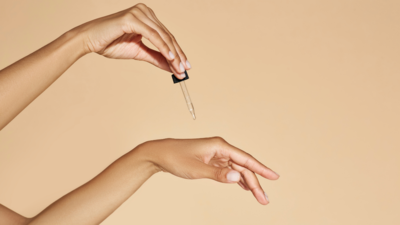
What is this well-acclaimed ingredient- hyaluronic acid?
The main molecule involved in skin moisture is hyaluronic acid which is naturally present in the skin but starts loosing after 25.Due to its strong water-binding potential, hyaluronic acid is a well-known active ingredient for not only cosmetic applications that are topical but also Injectable hyaluronic acid fillers.
Products with hyaluronic acid
Dr. Sonali Chaudhary, Integrative and Cosmetic Dermatologist says, "The use of HA in creams, serums or other topical agents have increased significantly due to its hygroscopic, rheological, and viscoelastic properties.

Anti-ageing effects
Application of low-molecular-weight (LMW) HA is associated with significant reduction of wrinkle depth, which may be due to its better penetration abilities. High molecular weight‐HA is usually added in cosmetic formulations to increase formulation viscosity and improve the stability of composition film when applied on skin.
Advantages of hyaluronic acid are still being studied
First clinical application of HA was developed during the 1970s and 1980s for use in ophthalmic surgery. Since then, its use in Dermatology and cosmetology caught the limelight and it's an ongoing process of new studies and new implications in the field where hyaluronic acid is being touted as a moisturizing and anti-ageing ingredient.
Benefits of using hyaluronic acid
Long term effects on skin include improved hydration,Skin rejuvenation, healing of scars, better and faster wound closure, elasticity and aging. Long term effects of age‐related changes and external damage due to sun, stress pollution etc may already impact the structure of your skin, which may trigger degradation of components of the extracellular matrix (which includes HA). Using products with hyaluronic acid can help in long term elasticity, Reduction of wrinkles and maintaining hydration to the skin.
Does hyaluronic acid have side effects?
Topical hyaluronic acid lotions and creams have no known adverse effects because your body already has them. Nevertheless, you can experience an adverse reaction to a particular formulation or brand. Scleroderma patients who apply hyaluronic acid to their skin run the risk of worsening their skin ulcers. Use of hyaluronic acid on the skin should be avoided if you have scleroderma. However, hyaluronic acid fillers may cause side effects like discomfort, bruising, redness, itching, and swelling. These negative effects are self-limiting and usually disappear after seven days.
End of Article
FOLLOW US ON SOCIAL MEDIA








Photostories
Featured In Lifestyle

MORE FROM ETIMES
life & stylePopular Categories
Entertainment NewsBollywood NewsTollywood NewsKollywood NewsMollywood NewsMovie ReviewsLatest Hindi MoviesLatest Tamil MoviesMX PlayerParenting TipsHome RemediesWeight LossBeauty TipsParenting TipsHindi VideosHindi Video SongsBhojpuri Music VideosLatest Telugu MoviesBhojpuri Music VideoHindi TV News
Trending in Entertainment
Latest MoviesBollywood MoviesHollywood MoviesTamil Movies 2024Telugu Movies 2024Malayalam Movies 2024Kannada Movies 2024Marathi Movies 2024Bengali Movies 2024Top Rated Movies 2024Best Hindi MoviesBest English MoviesBest Telugu MoviesBest Tamil MoviesBest Malayalam MoviesBest Kannada MoviesBest Bengali MoviesUpcoming Hindi MoviesBest Movies Of All TimeBest Hindi Movies of All Time
Trending in Etimes
Horoscope TodayNumerology Predictions TodayWalking BenefitsBreast Cancer DiagnosisYung Filly Rape CaseTaylor Rousseau GriggBelly FatSean Diddy CombsOzempic PersonalityDepression RiskBelly Fat LossDurga Visarjan 2024Toxic FriendshipDonald TrumpElon MuskDussehra 2024Durga Ashtami 2024Multitasking TipsSaraswati Visarjan 2024
Trending in TV
Trending in Lifestyle
Trending in Regional
Movie Reviews
Binny And Family ReviewLove, Sitara ReviewWill & Harper ReviewWolfs ReviewYudhra ReviewJo Tera Hai Woh Mera Hai ReviewKahan Shuru Kahan Khatam ReviewHis Three Daughters ReviewNever Let Go ReviewDancing Village: The Curse Begins ReviewTransformers One ReviewFirst Love ReviewBerlin ReviewThe Buckingham Murders Review
Upcoming Hindi Movies
Upcoming Regional Movies
Latest News
Harris overtakes Trump among suburban voters: Reuters/Ipsos pollSamantha Ruth Prabhu shares playtime with Chinmayi Sripaada's daughter, says 'It took her 4.5 seconds to disown her parents'Dilip Kumar-Saira Banu wedding anniversary: How the legendary actor surprised all by marrying his belovedSpiritual fervour all around as Sun God steers Lord's chariot at TirumalaHappy Dussehra 2024: Images, Quotes, Wishes, Messages, Pictures and GreetingsInfosys to no longer send job offer letters and attachments, the company will ...Jaggery vs honey: Which one is better for weight loss?My mother would love to have a swayamwar for me: Raj AnadkatRanji Trophy: Focus on Shreyas Iyer as Mumbai begin title defenceHappy Dussehra 2024: Top 50+ Wishes, Messages, and Quotes to Share with Your Loved OnesBigg Boss 18: Karan Veer Mehra's comment on Arfeen Khan converting his wife's religion sparks anger; Arfeen says, "Agar ye ghar mein nahi hota main iski band baja deta"Happy Dussehra 202: Top 50 Wishes, Messages and Quotes to share with your loved onesAmitabh Bachchan turns 82: Priyanka Chopra, Prabhas, Kajol, and other celebs extend heartfelt birthday wishes to the legendary starPutin won't discuss Ukraine peace with Germany's Scholz, Berlin saysIndia's Steel City (Jamshedpur) mourns loss of iconic steel tycoon Ratan Tata“A fresh approach”: New York Jets' Interim Head Coach Jeff Ulbrich Replaced Nathaniel Hackett as Offensive Play Caller With Todd DowningKarnataka Congress faces backlash over case withdrawals linked to Hubballi riotsWomen's T20 World Cup: Don't need to be told about NRR, says Shafali Verma
Other Group Sites -
ETimes is an Entertainment, TV & Lifestyle industrys promotional website and carries advertorials and native advertising.