- News
- lifestyle
- health-fitness
- health-news
- This tea has 22 times more calcium than cow's milk!
Trending
This tea has 22 times more calcium than cow's milk!
Black mulberry tea, made from Morus nigra leaves, is an excellent source of calcium—22 times more than cow’s milk. This traditional Asian brew offers numerous health benefits, including regulating blood sugar and cholesterol levels, enhancing heart health, and providing anti-inflammatory and antimicrobial properties. Despite its benefits, users should be aware of potential side effects.

It’s the Black Mulberry Tea.










What is Black Mulberry Tea?
Black mulberry tea is a beverage made from the dried leaves of the black mulberry tree, Afromorus mesozygia. The leaves are cut or chopped, roasted, and then dried with hot air.
Black mulberry tea is a traditional Asian brew prepared from the leaves of ‘Morus nigra’, which is known as black mulberry. It is a species of flowering plant in the family Moraceae that is native to southwestern Asia, where it has been cultivated for so long that its precise natural range is unknown. The black mulberry is known for its large number of chromosomes and could be a surprising source of calcium.
Now, when we think of calcium, what is the first picture that comes into our mind?
It’s a glass of milk!
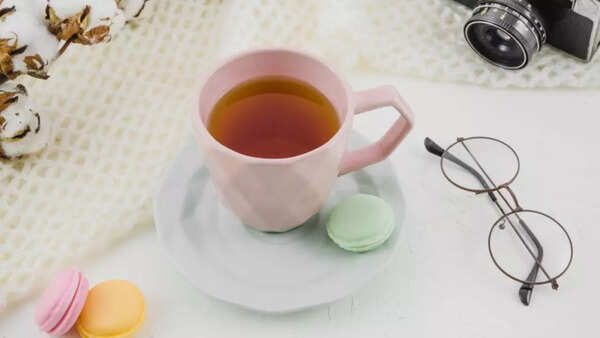
Dairy products and certain fish like salmon, trout, and tuna are known to be the most widely known natural sources of calcium.
Calcium is particularly important for conditions like osteoporosis, which weakens bones and is common in older people. To fight it, increased amounts of calcium and phosphate are needed. While a glass of milk can help, gulping down a cup of black mulberry tea might be an even better choice - offering up to 22 times more calcium!
Sounds unbelievable?
The Japanese Ministry of Health conducted a study showing its impressive calcium content compared to dairy, specifically for osteoporosis cases.
Benefits of black mulberry tea:
Black mulberry tea, made from Morus nigra or black mulberry leaves, has long been used in traditional Asian medicine. This particular brew boasts a plethora of benefits as well, like - it helps control blood sugar levels, bolsters the immune system, aids in healthier aging (thanks to its antioxidants), enhances heart health, and possesses anti-inflammatory properties. The following are the instances of its many potential health benefits:

Blood sugar management: Mulberry tea can help regulate blood sugar levels and improve insulin sensitivity.
Cholesterol control: Mulberry tea can help lower LDL cholesterol and increase HDL cholesterol.
Heart health: Mulberry tea can help prevent heart disease by reducing the oxidation of fat cells.
Blood pressure: Mulberry tea can help lower blood pressure by reducing the production of angiotensin-converting enzyme (ACE).
Anti-inflammatory: Mulberry tea can help fight free radicals and stimulate the release of defense cells.
Antimicrobial: Mulberry tea contains anthocyanins and tannins, which are compounds with antimicrobial action.
Skin health: Mulberries can help defend against age spots and blemishes, and lighten pigmentation.
Hair health: Mulberry juice can help boost melanin production in your hair, restoring your natural hair color and preventing premature greying.
Weight loss: Mulberry tea may help regulate blood sugar levels and reduce fat absorption.
Diarrhea: Mulberry tea can treat diarrhea because it contains bioactive compounds with anti-inflammatory and astringent action.
Metabolic disease: Mulberry leaf can be used to prevent and alleviate metabolic diseases, including obesity, type 2 diabetes, cardiovascular diseases, and non-alcoholic fatty liver diseases.
Although, black mulberry has been used in traditional medicine for a long time. It has many positive neurological and biological effects too. Black mulberry tea can cause side effects like nausea, diarrhea, dizziness, bloating, and constipation. It can also lower blood sugar levels, so people with diabetes should monitor their blood sugar closely. Consult a healthcare professional before using mulberry leaves, especially if you are taking other medications or have any existing health conditions. Moreover, children and pregnant or breastfeeding women should avoid using mulberry leaves.

About the Author
TOI Lifestyle DeskEnd of Article
FOLLOW US ON SOCIAL MEDIA






Photostories
Tired of too many ads?go ad free now
lifestyle videos
Featured In Lifestyle

Tired of too many ads?go ad free now
Popular Categories
Trending in Entertainment
Latest MoviesBollywood MoviesHollywood MoviesTamil Movies 2024Telugu Movies 2024Malayalam Movies 2024Kannada Movies 2024Marathi Movies 2024Bengali Movies 2024Top Rated Movies 2024Best Hindi MoviesBest English MoviesBest Telugu MoviesBest Tamil MoviesBest Malayalam MoviesBest Kannada MoviesBest Bengali MoviesUpcoming Hindi MoviesBest Movies Of All TimeBest Hindi Movies of All Time
Trending in Etimes
Valentine Week List 2025Skincare TipsRakesh RoshanMicah ManaleseAmeesha PatelMating Ritual AnimalsKids Observing ParentsSharpen Brain MemoryBeautiful Brown AnimalsBaby Girl NamesVinita SinghTusli GabbardShah Rukh KhanShark Tank India 4Shammi KapoorKrithi ShettyVijay DeverakondaParesh RawalKaun Banega Crorepati 16
Trending in TV
Trending in Lifestyle
Trending in Regional
Movie Reviews
Upcoming Hindi Movies
Upcoming Regional Movies
Latest News
The 67th Caribbean Series: A New Chapter in Baseball's Rich HistoryAfter encounter, 6 held for murder & bid to convertWill probe reports of '2nd stampede' at Maha Kumbh: DIGUK extremism report draws India criticismIs berberine the ‘nature’s Ozempic’?India red flags Maldives trade pacts with China and TurkiyeWorking with US for early extradition of 26/11 accused Rana: MEAGuillain-Barre Syndrome outbreak could have been checked in 4 days: ExpertFormer WWE Icon Sting’s 2025 or Never Tour: Everything You Need To KnowAditya Roy Kapur, Vidya Balan and Siddharth Roy Kapur share heartwarming family moment in viral videoWill Devin Booker play tonight against the Golden State Warriors? Latest update on the Phoenix Suns star's injury report (January 31, 2025)Now, cash-strapped Kerala cuts funds for tribal welfareWill Kevin Durant play tonight against the Golden State Warriors? Latest update on the Phoenix Suns star's injury report (January 31. 2025)Naga Chaitanya opens up about his life after marriage with Sobhita Dhulipala: 'Married life is great! I’m totally enjoying it'Tiger territory up 30% between 2006 & 2018: StudyBenjamin Hill and the Underdog MiLB Teams Still Searching for GloryPromoter of tech firm dies during ED raid in Mumbai suburbWill Stephen Curry play tonight against the Phoenix Suns? Latest update on the Golden State Warriors star's injury report (January 31, 2025)
Other Group Sites -
ETimes is an Entertainment, TV & Lifestyle industrys promotional website and carries advertorials and native advertising.