
- News
- lifestyle
- health-fitness
- health-news
- The right daily walking distance to improve fitness, according to research
The right daily walking distance to improve fitness, according to research

The right daily walking distance to improve fitness, according to research
Ever laced up your shoes for a walk and wondered if you're chasing the right number? That famous 10,000-steps-a-day goal feels like gospel these days, splashed across fitness apps and smartwatches everywhere, suddenly, when the 10k mark doesn't hit, we think we have lost our fitness progress. But here's the truth: it kicked off not as science, but as a clever 1960s Japanese marketing pitch for a pedometer called the manpo-kei, meaning "10,000 steps meter." Now, fresh research flips the script, proving you can reap serious health rewards with far fewer steps, customized to your life and goals. Let's unpack what really moves the needle for vitality and weight control.
Steps that add years
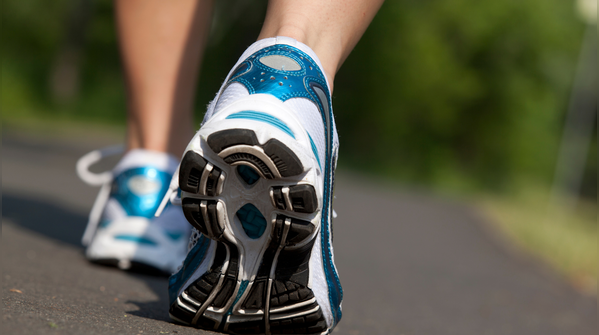
Large studies paint a clear picture: more steps generally mean better odds, but you hit sweet spots without marathon efforts. A landmark 2020 JAMA study shadowed nearly 5,000 adults and revealed that 8,000 daily steps cut all-cause mortality risk by 51 percent compared to 4,000, with pace barely mattering. Benefits spark even earlier, around 2,500 steps for modest longevity gains, ramping up steadily. For folks under 60, perks plateau near 8,000 to 10,000 steps; over 60, 6,000 to 8,000 does the trick, per UCLA Health insights. The American Heart Association chimes in too: just 4,500 steps lowers cardiovascular events by up to 77 percent in older adults, with diminishing returns past 7,000 to 8,000. These results shatter the one-size-fits-all approach, indicating sustained advances prevent threats such as type 2 diabetes, high blood pressure-obesity, depression, and sleep apnea.
Focusing on fat loss
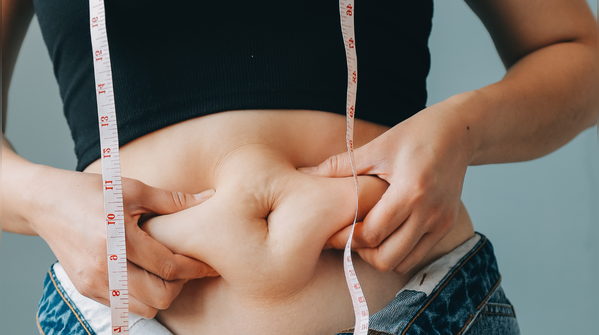
Weight loss requires an increment in volume and intensity.For general health, moderate steps are best, but for weight loss, routine is necessary. According to Verywell Health, studies showed that maintaining 10,000 to 12,000 steps a day, with 3,500 brisk steps distributed in 10-minute intervals, led to maintaining a 10 percent reduction in body weight for 18 months. The Journal of Obesity has an article in support of 8,000 to 10,000 steps for effective BMI reduction.
The American College of Sports Medicine recommends 225 to 420 minutes a week for weight loss. This is equivalent to 6,000 to 9,000 purposeful steps or 2.5 to 3.5 miles.This healthy habit can be simply achieved through brisk pacing to intensify the calorie deficit. As a result, the need to join the gym or diet is avoided.

Walking towards real fitness
No need for heroic efforts, begin from where you are. Dr. Emily Larson recommends progressive increases: If 3,000 steps a day feels normal, increase by 1,000 a week, to begin with.Split sessions work wonders, three 10- to 15-minute jaunts rivaling a single 30-minute slog, per multiple trials. Post-meal strolls steal the show too, a 2022 study showing two minutes after eating curbs blood sugar spikes better than sitting.
Even random activity has value— walking a distance of four miles a week has the power to increase longevity. Thinking boosting minutes rack up quickly— reducing the risk of depression by 18 percent with 75 minutes of moderate pace, increasing to a 25 percent risk reduction at 120 minutes, according to the APA.Adapt for limitations, pool walking or mobility aids keep momentum without strain. Weight loss or even getting fit, is a long journey, mostly shaped by our lifestyle choices, there is very little that we can do from our side, which makes a perfect balance and helps us get into shape--and walking is one such thing, that helps people manage all the dangerous conditions-all while maintaining our weight
Dislaimer
This is for informational purposes only.
Featured In lifestyle

