- News
- lifestyle
- health-fitness
- health-news
- Hidden side effects of gluten-free foods that are making you fat
Trending
Hidden side effects of gluten-free foods that are making you fat
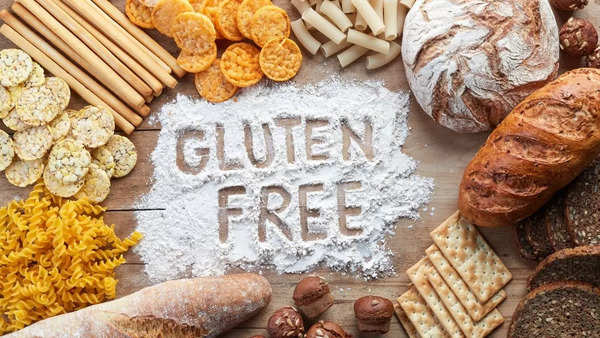
A new study challenges the notion that gluten-free foods are always healthier, revealing they often contain more sugar and calories while lacking essential nutrients like fiber and protein. These findings suggest gluten-free foods might lead to weight gain rather than aiding weight loss in individuals without gluten intolerance.

Gluten is a protein found in wheat, barley, rye, and other grains. Many people with celiac disease and gluten intolerance opt for gluten-free foods like fruits, vegetables, meat, and eggs as well as processed foods like gluten-free bread or pasta. Having these foods can help people allergic to the protein avoid health issues.
But can people without any allergy or intolerance to these foods have gluten-free foods. Well, it turns out these foods aren't for everyone, especially the processed variety as they can be high on hidden sugar and calories, lacking essential nutrients like fibre and protein. Eating too many of them could actually leave the body low on key nutrients. Unless there’s a real reason to avoid gluten, sticking to regular, balanced meals might be a better bet.
Researchers for this study published in the journal Plant Foods for Human Nutrition, looked at 39 gluten-free products and compared their nutrition composition with other gluten-filled alternatives.
Does gluten contribute to weight loss or weight gain?
What are the lessons from this new study
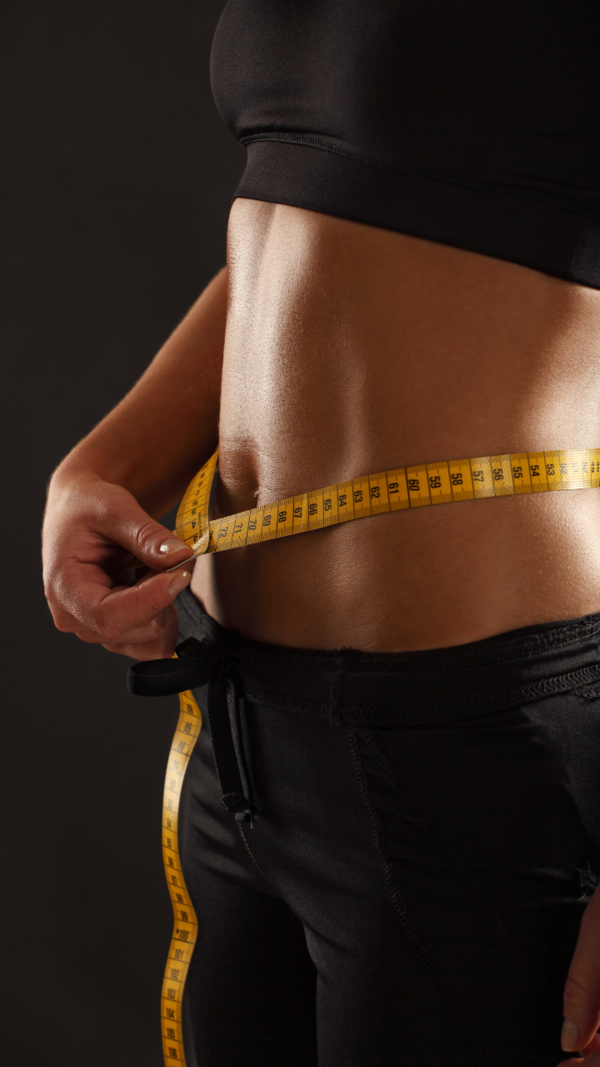
However, people who are not allergic should avoid having gluten-free foods as instead of weight loss, they can end up adding inches to the waistline.
A 2021 study published in journal Nutrients found that 81% of patients who followed the gluten-free diet gained weight in two year period.
In another one, BMI of people with celiac disease went up from an average of 24 to 24.6, after following the gluten-free diet.
Sachin Rustgi, a professor of molecular breeding at Clemson University, who was a co-author of the study, said that many gluten-free products mostly lack wheat, rye, barley and oats, which are rich sources of arabinoxylan, an insoluble fibre that promotes digestive health by easing bowel movement and preventing constipation.
The study highlights how following a gluten-free diet or picking gluten-free products from shelves is not a good idea for people not intolerant to the protein.
It is important to eat a balanced diet with all major nutrient groups be it protein, fibre, complex carbs and crucial vitamins and minerals. Any such changes in the diet must only be made on advise of a health professional. Going gluten-free is not necessarily a healthy choice and may not support weight loss efforts.

About the Author
TOI Lifestyle DeskEnd of Article
FOLLOW US ON SOCIAL MEDIA





Photostories
Tired of too many ads?go ad free now
Featured In Lifestyle

Tired of too many ads?go ad free now
Hot on the Web
Kiara Advani Pregnancy NewsRamadan 2025 DateKing CobraIbuprofen GuideRamadan 2025 WishesRamadan 2025Tanmay BhatRamadan Wishes 2025GovindaSunita AhujaVitamin D FoodsRanveer AllahbadiaSandeep Reddy VangaOptical IllusionGinger Turmeric Tea BenefitsCloves BenefitsUttam MohantyMere Husband Ki Biwi CollectionChhaava Box Office CollectionChhaava Movie ReviewAshwagandha for Hair GrowthChum DarangUnique AnimalsBig Cat Safari DestinationChickpea Curry RecipeSadhguru Diet HabitsSummer GardeningAnimal SpeedstersAnimals for Good LuckUS National Parks
Trending Topics
Latest MoviesBollywood MoviesHollywood MoviesTamil Movies 2024Telugu Movies 2024Malayalam Movies 2024Kannada Movies 2024Marathi Movies 2024Bengali Movies 2024Top Rated Movies 2024Best Hindi MoviesBest English MoviesBest Telugu MoviesBest Tamil MoviesBest Malayalam MoviesBest Kannada MoviesBest Bengali MoviesUpcoming Hindi MoviesBest Movies Of All TimeBest Hindi Movies of All Time
Popular Categories
Latest News
Cops step in, shield Kerala kiln owner from union troubleDak Prescott shares a heartfelt moment with fiancée Sarah Jane Ramos after marking a major milestoneAs its rift with US widens, EU seeks no-limit ties with India3-year-old may have provoked sexual assault, says collector, shunted outRetain interest rate at 8.25% for current FY: EPFO board75-yr-old dies in bee attack on yajnaElimination Chamber Weekend to Kick-off with a WWE Nissin Foods Partnership AnnouncementIs your high-protein diet making you fat?Los Angeles Lakers - Best Defense in NBA: Lebron James Showcases His Versatility in the Changing Landscape of the TeamShark Tank India 4: Aman Gupta questions Jaipur-based baby essentials founders for choosing Vineeta Singh over Ritesh Agarwal; Vineeta jokes, ‘Tum Kyu Phut Daal Rahe Ho?’22 missing after avalanche buries BRO camp in Uttarakhand"Keep him out": Aaron Rodgers’ potential move to the New York Giants sparks a controversial debate'President's team was scared to death': Biden's aide admits administration covering up concerns over his age and healthMika Singh recalls gifting Shah Rukh Khan, Amitabh Bachchan and Gurdas Maan a Rs 50 lakh diamond ring, shares secret moments from Hrithik Roshan's birthday bashTriple H Could Arguably Turn One WWE Legend Heel After a Controversial RAW Appearance on Netflix Debut EpisodeIrrfan Khan's son Babil Khan clarifies his mother Sutapa Sikdar solely built the farmhouse in Maharashtra village 'Hero Chi Wadi': 'These were the dreams Baba couldn't fulfill'Suicide blast kills 5 in Pakistan madrasa known as ‘university of jihad’Govinda's wife Sunita Ahuja shuts down divorce rumours, reveals why they live separately: 'Koi mai ka laal...' | Watch video