
- News
- lifestyle
- health-fitness
- health-news
- Eye cancer symptoms: Sign of a deadly cancer to spot when taking a photo
Eye cancer symptoms: Sign of a deadly cancer to spot when taking a photo

Clicking a picture? Watch out for this cancer sign
Spotting cancer signs early can sometimes mean the difference between life and death. Cancer can manifest in different body parts, exhibiting varied symptoms, some common while others unusual.
A symptom of a rare type of eye cancer can show while taking a photo. According to health experts, a white reflection in the eye when taking a photo could be a sign of retinoblastoma.
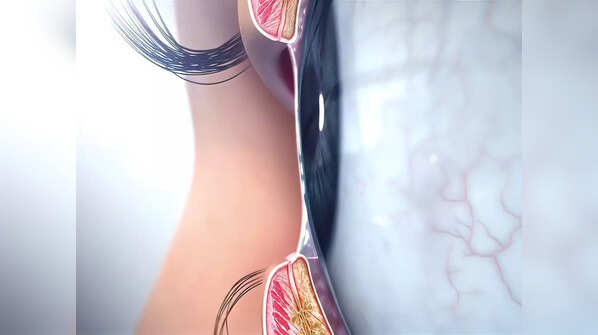
What is retinoblastoma?
Retinoblastoma is a type of eye cancer that starts in the retina. It is most commonly seen in young children, however, it can also affect people of any age, according to the NHS UK. Retinoblastoma can affect one or both eyes.

Sign while clicking a picture
Among the most common symptoms of this eye cancer is the sign of a white reflection from the pupil, rather than red, after flash photography. Other common signs include a turn in direction of the affected eye and reduced vision.
Since this type of cancer is more common in children, they may not communicate these symptoms directly. According to health experts, a good way to spot this sign is if your child keeps rubbing the affected eye. They may also become distressed when their good eye is covered.

Other symptoms to note
Apart from the above mentioned symptoms, the NHS UK adds more signs to be wary of. These include the eyes pointing in a different direction (squint), the coloured part of the eye (iris) changing color, swelling around the eye, uncontrolled eye movements, and pain in one or both eyes.
Read more: Breast cancer awareness month 2023: 7 myths around this disease debunked here

When to see a doctor
If you experience any of the above mentioned symptoms or notice them in your child, it is important to consult a doctor for a proper diagnosis. It is also important to be wary of a type of eye cancer known as choroidal melanomas.

What are choroidal melanomas?
Choroidal melanomas usually occur at the back of the eye on the choroid, which lies behind the retina. Melanomas can also occur in other parts of the eye such as the conjunctiva (front of the eye) and optic nerve.
One may or may not experience symptoms, depending on the location of the choroidal melanomas. Still, the most common symptoms to watch out for include reduced vision, flashing lights and floaters. Since these symptoms can be caused by several eye-related problems, it is important to not self-diagnose and consult your doctor for arriving at a diagnosis of your condition.
Featured In lifestyle

