- News
- lifestyle
- health-fitness
- health-news
- Blood cancer symptoms: Unexplained bruising and shoulder pain could be a sign of serious health risk
Trending
Blood cancer symptoms: Unexplained bruising and shoulder pain could be a sign of serious health risk
Unexplained bruises and persistent shoulder pain, often dismissed, could signal serious conditions like blood cancer, affecting thousands annually in the UK. Recognizing early warning signs such as frequent infections, night sweats, and sudden weight loss is crucial. Prompt medical consultation for recurring, unexplained symptoms is vital for early detection and treatment, potentially saving lives.

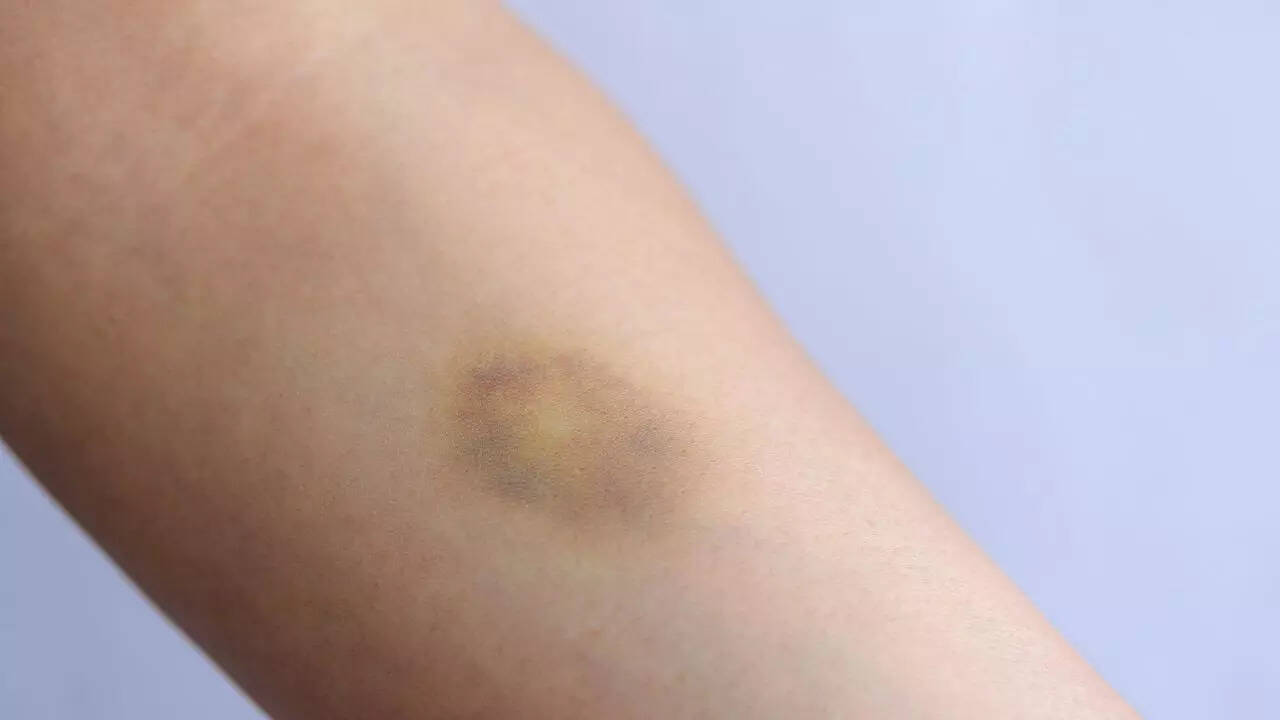
Why do unexplained bruises appear
- Petechiae are pinpoint red or purple spots, often mistaken for a rash.
- Purpura are larger patches caused by bleeding deeper beneath the skin.
Link between shoulder pain and blood cancer
- A dull ache in the shoulder, hips, or spine.
- Pain that worsens at night or when lying down.
- Discomfort that does not respond to over-the-counter pain relief.

Blood cancer other key symptoms
- Drenching night sweats that soak clothes and bedding.
- Extreme tiredness that doesn’t improve with sleep.
- Frequent or persistent infections due to weakened immunity.
- Unexplained fevers that come and go.
- Sudden weight loss without dieting.
- Paleness or shortness of breath from low red blood cell counts.
- Itchy rashes or skin changes that don’t resolve.
Why skin tone matters in diagnosis of cancer
- On fairer skin, bruises progress from red to purple, green, and yellow as they heal.
- On brown or black skin, bruises may initially be hard to spot but later appear as darkened patches.
- Petechiae and purpura can appear as clusters of purple spots that don’t fade when pressed, unlike typical rashes.
When to seek medical advice
- Frequent unexplained bruising or small red/purple dots on the skin.
- Shoulder or bone pain that lasts for weeks without injury.
- Bleeding from gums, nose, or unusually heavy periods.
- Ongoing fatigue, fever, or weight loss.
- Recurring infections that don’t respond to treatment.

About the Author
TOI Lifestyle DeskEnd of Article
Follow Us On Social Media










Tired of too many ads?go ad free now
lifestyle videos
Featured In Lifestyle

Tired of too many ads?go ad free now
MORE FROM ETIMES
life & styleHot on the Web
Vitamins For Hair GrowthCancer RisksReverse Fatty LiverSleeping TipsDhanashree VermaAbhinav ShuklaCookwareAR MurugadossLongest International RiverSunjay KapurLow Value CurrencyCancer Alert In WomenAmeesha PatelPapaya Health RisksAngelina JolieArmaan MalikCancer RiskTulsi Health BenefitsAbhishek BachchanNadiraLiver Disease SymptomsAsit Kumar ModiJessica HinesDanube RiverWar 2 Box Office CollectionGarlic Health BenefitsCoolie Movie ReviewCoolie Box Office CollectionMahavatar Narsimha Box Office CollectionOvercrowded Tourist DestinationsAshwagandha For MenColon Cancer SymptomsHigh Protein FoodsKidney Stone PainHigh Cholesterol SymptomsLakshman BootiColorectal CancerOral SymptomsReduce Face Fat DietSide Effects Of BananasGinger Tea Side EffectsKidney Damage Symptoms
Trending Topics
Latest MoviesBollywood MoviesHollywood MoviesTamil Movies 2025Telugu Movies 2025Malayalam Movies 2025Kannada Movies 2025Marathi Movies 2025Bengali Movies 2025Top Rated Movies 2025Best Hindi MoviesBest English MoviesBest Telugu MoviesBest Tamil MoviesBest Malayalam MoviesBest Kannada MoviesBest Bengali MoviesUpcoming Hindi MoviesBest Movies Of All TimeBest Hindi Movies of All TimeLatest English MoviesLatest Malayalam MoviesEnglish TV NewsTamil TV NewsTelugu TV NewsMalayalam TV NewsKannada TV NewsMovie ReviewsBhojpuri Cinema NewsGujarati Cinema News
Popular Categories
Viral NewsK Pop NewsWeb Series NewsAnime NewsUpcoming English MoviesUpcoming Tamil MoviesUpcoming Telugu MoviesUpcoming Malayalam MoviesUpcoming Kannada MoviesFashion TipsTravel NewsEntertainment NewsBollywood NewsTollywood NewsKollywood NewsMollywood NewsFood NewsLatest Hindi MoviesLatest Tamil MoviesParenting TipsHome RemediesWeight LossBeauty TipsParenting TipsHindi VideosHindi Video SongsBhojpuri Music VideosLatest Telugu MoviesBhojpuri Music VideoHindi TV News
Latest News
Meet Kairan Quazi: From getting banned on LinkedIn to building satellites at SpaceX, explore his fast-track life at the age of 16Washington DC unemployment at a high for third straight month: District's July rate reaches 6% mark; federal cuts, court-backed layoffs fuel riseCan drinking more water help flush out a UTI? What you need to knowNo red carpet, no problem: Raashii Khanna’s Mumbai taxi look steals the showSwara Bhasker faces criticism over sexuality remarks, reveals having crush on Akhilesh Yadav’s wife Dimple Yadav - Here’s what we knowGold price prediction today: Where is gold rate headed in the near-term & why are prices stuck in a range? Here’s the outlookDaily Lal Kitab Horoscope Today, August 20, 2025: Unexpected surprises await these Zodiac Signs today‘Pity the children’: Chinese woman gets pregnant thrice in 4 years to avoid jail-time; how she delayed 5-year sentence'Make Americans fit again': RFK Jr. teams up with Pete Hegseth in an ultimate fitness showdown; launches ‘Pete & Bobby Challenge’National Inter-State: Final tickets to Tokyo World ChampionshipsAmitabh Bachchan shares life lesson inspired by ‘Madhushala’, urges fans to stick to one path and avoid distractions: ‘Keep moving in…’'I’m not doing well': Trump links Ukraine deal to afterlife - 'I want to get to heaven'China’s Warship-Killer Missiles Surge As Trump Pushes Russia PeaceReal Madrid vs Osasuna: Kylian Mbappe scores penalty as Los Blancos win 1-0Under Murali Sreeshankar's guidance, Shahnawaz Khan eyes bigger leapsAsia Cup: Harbhajan Singh blasts Ajit Agarkar for not picking two ‘X-factor’ cricketers - 'I had hoped...'Over 7.6 lakh Indian students went abroad last year, reveals government data: STEM, AI, and ambition driving the exodusUS Open 2025: Swiatek, Ruud into mixed doubles semis; Alcaraz-Raducanu, Djokovic out