- News
- lifestyle
- health-fitness
- every-heart-counts
- Failed fertility treatments are linked to higher heart risks
Trending
This story is from September 14, 2017
Failed fertility treatments are linked to higher heart risks
Women who undergo fertility therapy, but do not get pregnant, have a higher risk of developing long-term cardiovascular disease, compared with women who become pregnant.
Women who undergo fertility therapy, but do not get pregnant, have a higher risk of developing long-term cardiovascular disease, compared with women who become pregnant, according to a new study published in Canadian Medical Association Journal.
The study analyzed data from 28,442 women under the age of 50 who underwent fertility treatments in Ontario between 1993 and 2011. Each of the women was examined till March 2015, with nearly one-third of the participants giving birth within one year of their final fertility treatment. The scientists found that those who didn’t give birth had a 19 percent increased risk of adverse cardiovascular events including heart failure seen later in life. Regardless, these results should not dissuade a woman from pursuing fertility treatment, given the low risk of a heart attack, stroke or heart failure. In fact, it is an opportunity to have a discussion with your fertility doctors and with your general practitioner about your risk factors for heart disease and to consider treatment of those risk factors if they’re identified. Having to endure fertility treatments without becoming pregnant, afterward can be emotionally devastating for a woman. For women who are concerned, it is best to evaluate cardiovascular disease risks before fertility therapy.
The higher risk is thought to come from the gonadotropin hormone injections that stimulate the ovaries to produce more than one egg per month. Overstimulated ovaries have been shown to secrete hormones that may damage the heart by increasing the chance of blood clots and an increase the blood pressure.
Yet, the absolute increased cardiovascular risk was relatively modest; just about ten events per 1,000 women after ten years (up from six events per 1,000 women for those who became pregnant and had a child after undergoing fertility treatment).It could be that, fertility treatments simply involve women who already have underlying health problems. In fact, those health problems might be the reason why they can't get pregnant.
Ref:
1. http://www.medicalnewstoday.com/articles/316305.php
The article has been contributed by:
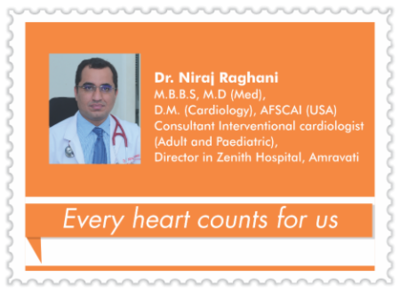
Dr. Niraj Raghani, M.B.B.S, M.D (Med), D.M. (Cardiology), AFSCAI (USA), Consultant Interventional cardiologist (Adult and Paediatric), Director in Zenith Hospital, Amravati
E-mail: drnirajraghani@yahoo.co.in
Disclaimer: The views and opinions expressed by the Doctors are their independent professional judgment and we do not take any responsibility for the accuracy of their views. This should not be considered as a substitute for Physician's advice. Please consult your treating Physician for more details.
The study analyzed data from 28,442 women under the age of 50 who underwent fertility treatments in Ontario between 1993 and 2011.
The higher risk is thought to come from the gonadotropin hormone injections that stimulate the ovaries to produce more than one egg per month. Overstimulated ovaries have been shown to secrete hormones that may damage the heart by increasing the chance of blood clots and an increase the blood pressure.
Yet, the absolute increased cardiovascular risk was relatively modest; just about ten events per 1,000 women after ten years (up from six events per 1,000 women for those who became pregnant and had a child after undergoing fertility treatment).It could be that, fertility treatments simply involve women who already have underlying health problems. In fact, those health problems might be the reason why they can't get pregnant.
Nevertheless, it can be stressed that whether the heart problems are due to the fertility treatment or just an association, the link is still important. Having fertility treatment is a very important choice for many women, and for many women it's the right choice. But it's something they should consider carefully, including the potential side-effects and potential long-term risks.
Ref:
1. http://www.medicalnewstoday.com/articles/316305.php
The article has been contributed by:
Dr. Niraj Raghani, M.B.B.S, M.D (Med), D.M. (Cardiology), AFSCAI (USA), Consultant Interventional cardiologist (Adult and Paediatric), Director in Zenith Hospital, Amravati
E-mail: drnirajraghani@yahoo.co.in
Disclaimer: The views and opinions expressed by the Doctors are their independent professional judgment and we do not take any responsibility for the accuracy of their views. This should not be considered as a substitute for Physician's advice. Please consult your treating Physician for more details.
End of Article
FOLLOW US ON SOCIAL MEDIA









Featured In Lifestyle

Popular Categories
Entertainment NewsBollywood NewsTollywood NewsKollywood NewsMollywood NewsMovie ReviewsLatest Hindi MoviesLatest Tamil MoviesMX PlayerParenting TipsHome RemediesWeight LossBeauty TipsParenting TipsHindi VideosHindi Video SongsBhojpuri Music VideosLatest Telugu MoviesBhojpuri Music VideoHindi TV News
Trending in Entertainment
Latest MoviesBollywood MoviesHollywood MoviesTamil Movies 2024Telugu Movies 2024Malayalam Movies 2024Kannada Movies 2024Marathi Movies 2024Bengali Movies 2024Top Rated Movies 2024Best Hindi MoviesBest English MoviesBest Telugu MoviesBest Tamil MoviesBest Malayalam MoviesBest Kannada MoviesBest Bengali MoviesUpcoming Hindi MoviesBest Movies Of All TimeBest Hindi Movies of All Time
Trending in Etimes
Horoscope TodayNumerology Predictions TodayProject 2025Taylor SwiftUS Presidential Debate Key TakeawaysSpringfield Eating PetsMelania TrumpJoe WilsonVice Presidential DebateMeghan MarkleKamala HarrisDonald TrumpPatriot Day 2024Diabetes RiskHappy Mindfulness Day 2024Trump Vs HarrisJoe JonasNational Day of Encouragement 2024Dave Bautista
Trending in TV
Trending in Lifestyle
Trending in Regional
Movie Reviews
Visfot ReviewThalapathy Is The G.O.A.T ReviewRebel Ridge ReviewDetective Conan vs. Kid the Phantom Thief ReviewBeetlejuice Beetlejuice ReviewPad Gaye Pange ReviewA Wedding Story ReviewThe Diary Of West Bengal ReviewTikdam ReviewKinds Of Kindness ReviewAfraid ReviewThe Deliverance ReviewBlue Lock: Episode Nagi ReviewDaddio Review
Upcoming Hindi Movies
Upcoming Regional Movies
Latest News
Manju Warrier expresses gratitude for birthday wishes: "Forever humbled and grateful"Jiiva and wife escape with minor injuries after a road accidentThe Zodiac Signs Most Naturally Inclined to HealingWhy Banyan trees survive for centuries and spread indefinitely?Telangana government pushes for increased flood relief from CentreWalking dog in Goa? Mouth guard, leash soon to be mustNBA 2K25 locker codes September 2024: Locker codes revealed and know how to reveal themDonald Trump and Kamala Harris shake hands as they meet for first time on debate stage: Watch the 'awkward' momentBRS pushes for disqualification of turncoat MLAs after High Court rulingKamala may have won debate. But election is still too close to callCommunal violence erupts in Karnataka during Ganpati Visarjan, section 144 imposedVarun Dhawan shares unfiltered reaction to Janhvi Kapoor's 'Daavudi' song from 'Devara: Part 1': 'So freaking good...''On basis of fairness and equality': Bangladesh seeks good relations with India, says YunusMpox kills two, six other confirmed cases in Cameroon: GovernmentJalen Ramsey demands action against Miami Police following Tyreek Hill's pulled from car49ers RB Christian McCaffrey misses win over JetsWWE Superstar Blames the Company for Failing to Utilize Omos’ PotentialArbaaz Khan spotted outside Malaika Arora's house along with police after the tragic news of her father's demise by alleged suicide - WATCH VIDEO
Other Group Sites -
ETimes is an Entertainment, TV & Lifestyle industrys promotional website and carries advertorials and native advertising.