- News
- lifestyle
- health-fitness
- diet
- How vegetarians can add more protein to their diet: Kavita Devgan shares tips
Trending
This story is from June 19, 2019
How vegetarians can add more protein to their diet: Kavita Devgan shares tips
A common concern for most vegetarians is whether they are getting enough protein from their diet.
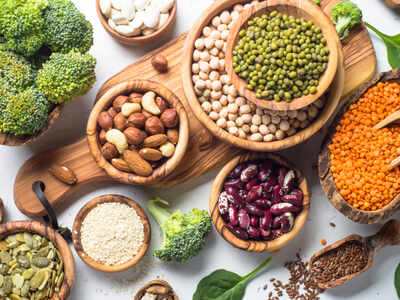
A common concern for most vegetarians is whether they are getting enough protein from their diet. It’s true that being on a strict vegetarian diet can make you deficient in some nutrients including calcium, zinc, iron, omega 3, vitamin D and protein. But it’s completely possible to get enough protein when you follow a vegetarian diet. You just need to get smart about the way you eat and what you eat.
Protein is not made by our body and if we do not give it to our body every day, muscles get depleted and you can get other problems.
Balance your protein
Rotate your grains
Apart from just having rice and wheat, also eat quinoa, oats, buckwheat, amaranth and bajra, all of which have more protein as compared to rice and wheat.
Have nuts and seeds
Having 1-2 types of nuts every day and 1 spoon of any roasted seed every day is a great way to up your protein intake.
Eat
Soya is a source of complete protein, try to include it in your diet. Have tofu, nutrela and edamame frequently.
Lentils
Eat more dals. Two best dals are sprouts and sattu.
Vegetables
Peas, broccoli and spinach give you 7 grams of protein per cooked cup. Potatoes, cauliflower, okra, mushroom and French beans have 5 grams of protein per cooked cup. Beetroot gives you 4 grams of protein per cooked cup. When you have high protein vegetables, it adds up to your total protein intake.
Tip
Spirulina algae, having 30 grams of it in a glass of water will provide you with 8 grams of good quality protein.
Dairy
All dairy products are high and complete protein sources.
How to increase your protein intake if you are a vegetarian!
Protein is not made by our body and if we do not give it to our body every day, muscles get depleted and you can get other problems.
Balance your protein
Have smart combinations like dal chawal, khichdi, pita with hummus as these provide you with complete protein.
Rotate your grains
Apart from just having rice and wheat, also eat quinoa, oats, buckwheat, amaranth and bajra, all of which have more protein as compared to rice and wheat.
Have nuts and seeds
Having 1-2 types of nuts every day and 1 spoon of any roasted seed every day is a great way to up your protein intake.
Eat
soya
Soya is a source of complete protein, try to include it in your diet. Have tofu, nutrela and edamame frequently.
Lentils
Eat more dals. Two best dals are sprouts and sattu.
Vegetables
Peas, broccoli and spinach give you 7 grams of protein per cooked cup. Potatoes, cauliflower, okra, mushroom and French beans have 5 grams of protein per cooked cup. Beetroot gives you 4 grams of protein per cooked cup. When you have high protein vegetables, it adds up to your total protein intake.
Tip
Spirulina algae, having 30 grams of it in a glass of water will provide you with 8 grams of good quality protein.
Dairy
All dairy products are high and complete protein sources.
End of Article
FOLLOW US ON SOCIAL MEDIA






Featured In Lifestyle

Popular Categories
Entertainment NewsBollywood NewsTollywood NewsKollywood NewsMollywood NewsMovie ReviewsLatest Hindi MoviesLatest Tamil MoviesMX PlayerParenting TipsHome RemediesWeight LossBeauty TipsParenting TipsHindi VideosHindi Video SongsBhojpuri Music VideosLatest Telugu MoviesBhojpuri Music VideoHindi TV News
Trending in Entertainment
Latest MoviesBollywood MoviesHollywood MoviesTamil Movies 2024Telugu Movies 2024Malayalam Movies 2024Kannada Movies 2024Marathi Movies 2024Bengali Movies 2024Top Rated Movies 2024Best Hindi MoviesBest English MoviesBest Telugu MoviesBest Tamil MoviesBest Malayalam MoviesBest Kannada MoviesBest Bengali MoviesUpcoming Hindi MoviesBest Movies Of All TimeBest Hindi Movies of All Time
Trending in Etimes
Horoscope TodayNumerology Predictions TodayProject 2025Taylor SwiftUS Presidential Debate Key TakeawaysSpringfield Eating PetsMelania TrumpJoe WilsonVice Presidential DebateMeghan MarkleKamala HarrisDonald TrumpPatriot Day 2024Diabetes RiskAbrosexualityTrump Vs HarrisJoe JonasNational Day of Encouragement 2024Dave Bautista
Trending in TV
Trending in Lifestyle
Trending in Regional
Movie Reviews
Visfot ReviewThalapathy Is The G.O.A.T ReviewRebel Ridge ReviewDetective Conan vs. Kid the Phantom Thief ReviewBeetlejuice Beetlejuice ReviewPad Gaye Pange ReviewA Wedding Story ReviewThe Diary Of West Bengal ReviewTikdam ReviewKinds Of Kindness ReviewAfraid ReviewThe Deliverance ReviewBlue Lock: Episode Nagi ReviewDaddio Review
Upcoming Hindi Movies
Upcoming Regional Movies
Latest News
Manju Warrier expresses gratitude for birthday wishes: "Forever humbled and grateful"Haryana HPSC PGT admit card 2024 out at hpsc.gov.in: Direct link to download hall ticket here6,0,6,6,6 - Smashing Kieron Pollard rolls back the clock in Caribbean Premier League - WatchJiiva and wife escape with minor injuries after a road accidentWhy can Banyan trees survive for centuries and spread indefinitely?Afghanistan vs New Zealand: Why is Greater Noida stadium hosting a Test match?Shilpa Shetty and Raj Kundra spotted at the Siddhivinayak Temple; video insideNBA 2K25 locker codes September 2024: Locker codes revealed and know how to reveal themDonald Trump and Kamala Harris shake hands as they meet for first time on debate stage: Watch the 'awkward' momentPrince William’s commitment to a lasting marriage with KateVarun Dhawan shares unfiltered reaction to Janhvi Kapoor's 'Daavudi' song from 'Devara: Part 1': 'So freaking good...'When Jaya Bachchan revealed she had a huge crush on Dharmendra, called him a 'Greek God' in front of Hema MaliniJr NTR starrer 'Devara: Part 1' completes censorship formalities; receives UA certificate'Trump should not be telling a woman what to do with her body', says Kamala Harris on abortion rights during US presidential debateArbaaz Khan spotted outside Malaika Arora's house along with police after the tragic news of her father's demise by alleged suicide - WATCH VIDEOShivaji statue collapse: Sculptor’s custody extended till September 13Vijay Sethupathi and Trisha starrer '96' to have a sequel, reveals Prem Kumar7 Common veggies that are loaded with iron and essential nutrients
Other Group Sites -
ETimes is an Entertainment, TV & Lifestyle industrys promotional website and carries advertorials and native advertising.