- News
- lifestyle
- health-fitness
- diet
- How much salt should people consume as per their age
Trending
This story is from December 16, 2024
How much salt should people consume as per their age
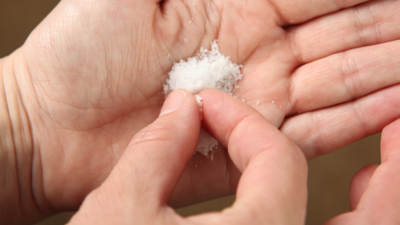
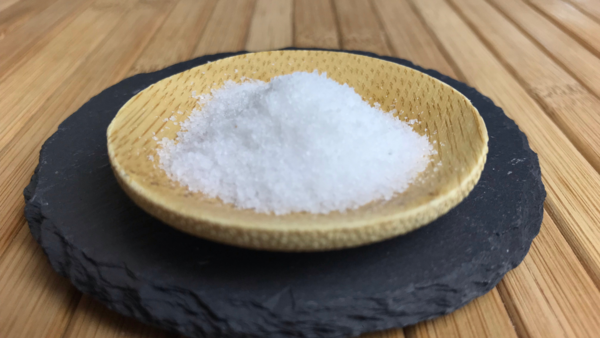
Salt is crucial for bodily functions, but excessive intake can lead to health problems like high blood pressure. Recommended daily salt intake varies by age, from less than 1 gram for infants to up to 5 grams for adults, with lower amounts advised for older adults and those with health conditions.
Infants (0–12 months):
Children (1–3 years):
Children (4–8 years):
Children and Teenagers (9–18 years):
Adults (19 years and older):
Older Adults (65+ years):

About the Author
TOI Lifestyle DeskEnd of Article
Follow Us On Social Media










Photostories
Tired of too many ads?go ad free now
Featured In Lifestyle

Tired of too many ads?go ad free now
Hot on the Web
Birds Mimic Human SpeechBest Food for BonesBeetroot BenefitsHigh Blood Pressure SymptomsEid al Adha 2025Uric AcidLower Blood SugarBeautiful Birds HomesSpotted AnimalsEye YogaOldest Living PersonMagnesium Oil BenefitsMagnesium Rich FoodsViral Snake VideosDinosaur TailDr. Kevin O'ConnorNational Parks IndiaColourful FishIndian State BirdsMission Impossible CollectionDivya GopikumarFruits Growing Tips At BalconyPomegranate BenefitsWeight Loss FoodsFarmer Gold DiscoveryCyclone ShaktiBack Pain TypesParesh RawalUS Tourist VisaManga Artist Ryo Tatsuki PredictionBiggest Anime Fandom FeudsJyoti MalhotraDragon BallSasukeJeff BezosBill GatesJensen HuangZoey StarkAkatsukiNew Baba VangaSbi Staff In BengaluruKettering Health Cyberattack
Trending Topics
Latest MoviesBollywood MoviesHollywood MoviesTamil Movies 2025Telugu Movies 2025Malayalam Movies 2025Kannada Movies 2025Marathi Movies 2025Bengali Movies 2025Top Rated Movies 2025Best Hindi MoviesBest English MoviesBest Telugu MoviesBest Tamil MoviesBest Malayalam MoviesBest Kannada MoviesBest Bengali MoviesUpcoming Hindi MoviesBest Movies Of All TimeBest Hindi Movies of All TimeLatest English MoviesLatest Malayalam MoviesEnglish TV NewsTamil TV NewsTelugu TV NewsMalayalam TV NewsKannada TV NewsMovie ReviewsBhojpuri Cinema NewsGujarati Cinema News
Popular Categories
Viral NewsK Pop NewsWeb Series NewsAnime NewsUpcoming English MoviesUpcoming Tamil MoviesUpcoming Telugu MoviesUpcoming Malayalam MoviesUpcoming Kannada MoviesFashion TipsTravel NewsEntertainment NewsBollywood NewsTollywood NewsKollywood NewsMollywood NewsFood NewsLatest Hindi MoviesLatest Tamil MoviesParenting TipsHome RemediesWeight LossBeauty TipsParenting TipsHindi VideosHindi Video SongsBhojpuri Music VideosLatest Telugu MoviesBhojpuri Music VideoHindi TV News
Latest News
PM Modi hails 'remarkable success' of operation against NaxalitesStalin hits out at EPS, says his Delhi visit is meant to fight for TN's rights and not to bow down to BJPSpanish media criticise Man United and Tottenham fans for destroying Bilbao streets ahead of Europa League finalAvneet Kaur pens down a gratitude note for Hollywood star Tom Cruise; says, “You’ve taught me so much”SBI staff in Bengaluru says: ‘This is India, I’ll Speak Hindi’ – sparks major language row | Watch viral video on social mediaWhat is Indian ePassport & is it mandatory for current passport holders to replace theirs with a new chip-based one?How to make an automatic super smelter in Minecraft7 Chakras and their astrological significance: Remedies to enhance them"You were washed at his age": Dwyane Wade questions Jimmy Butler’s approach but gets heavily trolled by fans'Ace’s First Review: Vijay Sethupathi starrer is a hilarious filmUttarakhand CM Dhami interacts with citizens using CM Helpline-1905, directs officials to resolve problemsMohanlal’s birthday gift to fans: A majestic first look from ‘Vrusshabha’ unveiledPortugal: Far-right rise a warning for political centerOffline, Later and ...: Spotify executives have banned these words at meetingsLivvy Dunne shines in summer looks as Paul Skenes dominates baseball debutAmerican woman died of a mad-cow-like disease that lay dormant for 50 years: All you need to knowThai culinary masters delight the cityLegal team of Akshay Kumar's production breaks silence on suing Paresh Rawal for suddenly quitting 'Hera Pheri 3': 'He took a signing amount of Rs 11 lakhs, had begun shooting'