- News
- lifestyle
- health-fitness
- diet
- 8 Vitamin C-rich foods you should eat this winter
Trending
8 Vitamin C-rich foods you should eat this winter
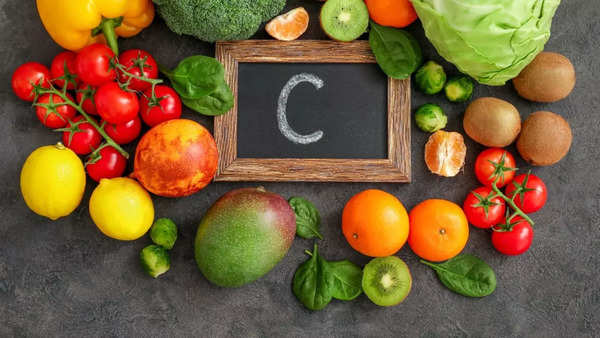
Winter's chill can weaken immunity and increase cardiovascular risks. Vitamin C, crucial for immunity and tissue repair, becomes especially important. From kiwis and broccoli to oranges and leafy greens, incorporating vitamin C-rich foods can help combat winter ailments and boost overall health during the colder months.

It is important to eat a nutritious diet during winter and Vitamin C is one of the key nutrients during this season which could help boost immunity and aid in growth and repair of tissues. Vitamin C, an important antioxidant, can also help nourish the skin and remove toxins. A water-soluble vitamin, the leftover amounts of which leave the body through the urine, can support many body functions. It is important to consume Vitamin C regularly.
According to a study published in Canadian Medical Association Journal (CMAJ), supplementary vitamin C can reduce the burden of winter illness, but the intake need not be as high as has sometimes been claimed.
A research published by Cochrane in 2013 found that regular vitamin C supplementation can shorten the duration of colds by 8% in adults and 14% in children. In particular, children who took between 1 and 2 grams of vitamin C daily experienced an 18% reduction in the length of colds.
However, the vitamin C content in foods can decrease with prolonged storage or cooking, as ascorbic acid is water-soluble and sensitive to heat. Cooking methods like steaming or microwaving can help minimize these losses. Thankfully, many
vitamin C-rich foods, such as fruits and vegetables, are often consumed raw. Eating five varied servings of fruits and vegetables daily can provide over 200 mg of vitamin C, ensuring an adequate intake of this essential nutrient.
Here are Vitamin C-rich foods you must consume in winter.
1. Kiwifruit
2. Broccoli
3. Strawberries
4. Bell Peppers

Bell peppers, particularly red ones, are packed with vitamin C and have nearly three times more vitamin C than an orange. With about 128 mg of vitamin C per 100 grams, bell peppers are not only great for boosting immunity but also rich in fibre, antioxidants, and vitamin A. They can be easily added to salads, stir-fries, or eaten raw as a snack.
5. Leafy greens
6. Oranges
7. Brussels Sprouts
8. Cantaloupe
(Picture courtesy: iStock)
7 Foods that boost immunity before winter sets in

About the Author
TOI Lifestyle DeskEnd of Article
FOLLOW US ON SOCIAL MEDIA









Photostories
Tired of too many ads?go ad free now
lifestyle videos
Featured In Lifestyle

Tired of too many ads?go ad free now
MORE FROM ETIMES
life & stylePopular Categories
Trending in Entertainment
Latest MoviesBollywood MoviesHollywood MoviesTamil Movies 2024Telugu Movies 2024Malayalam Movies 2024Kannada Movies 2024Marathi Movies 2024Bengali Movies 2024Top Rated Movies 2024Best Hindi MoviesBest English MoviesBest Telugu MoviesBest Tamil MoviesBest Malayalam MoviesBest Kannada MoviesBest Bengali MoviesUpcoming Hindi MoviesBest Movies Of All TimeBest Hindi Movies of All Time
Trending in Etimes
Trending in TV
Trending in Lifestyle
Trending in Regional
Movie Reviews
Pushpa 2: The Rule ReviewAgni ReviewJaaiye Aap Kahan Jaayenge ReviewSikandar Ka Muqaddar ReviewA Nonsense Christmas With Sabrina Carpenter ReviewEmilia Perez ReviewMary ReviewSolo Leveling: ReAwakening ReviewMoana 2 ReviewDelhi Bus ReviewJahankilla ReviewJeanne du Barry ReviewParis Christmas Waltz ReviewBoy Kills World Review
Upcoming Hindi Movies
Latest News
'Pushpa 2' box office collection day 11: The Allu Arjun and Rashmika Mandanna starrer nears Rs 900 crore markAjit, Mushrif, Munde... several in ED's crosshairs get berthsUstad Zakir Hussain in 'serious condition' in US, tributes pour inPortland Trail Blazers vs Phoenix Suns (12/15) game preview: Projected starters, prediction, best odds and betting lines, injury report, how to watch, and moreHarry Styles's Pescatarian Diet: Is this nutritional plan right for you?No use of drones at night unless you are sniffing the ground for something, expert's explanation goes viralBigg Boss 18: Politician Tajinder Bagga gets evicted from the house due to least number of votesGoa police constable held for helping criminal flee attempts suicideHaryana cm lauds AICF president and youngest world chess champion D Gukesh's historic winGoa govt to honour 14 Liberation martyrs’ kin with Rs 10 lakhShabana Azmi shares photo with her 'favourite actor' Naseeruddin Shah: 'Why aren’t more people casting us together?'Family slaughtered by neighbors: Land dispute turns deadly in Kakinada10 cancer-causing foods you must avoidDecorate your Christmas table with this vintage edible relish treeTillari winter canal works on hold till Sal barrage is ready by March-AprilManchester United edges out Manchester City 2-1 with dramatic late goals5 surprising mistakes women make that can cause hair lossTravis Hunter's fiancée Leanna Lenee sparks controversy with her unexpected reaction during the Heisman Trophy ceremony, leaving fans questioning her intentions
Other Group Sites -
ETimes is an Entertainment, TV & Lifestyle industrys promotional website and carries advertorials and native advertising.