- News
- lifestyle
- health-fitness
- de-stress
- Optical illusion: Can you spot the hidden horse in this pic in just 10 seconds?
Trending
Optical illusion: Can you spot the hidden horse in this pic in just 10 seconds?
In this optical illusion, we see an elephant lifting a log of wood amidst what looks like a village setting. At first glance, this looks like a regular picture with no hidden tricks. However, there is a hidden horse somewhere in the picture, and is actually quite hard to spot. So, can you spot the horse? Common, get to work, but you have just 10 seconds!
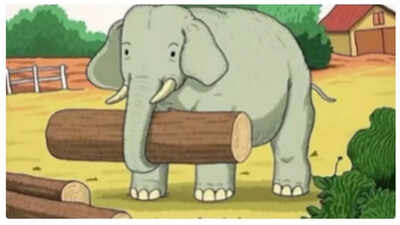
Can you spot a hidden horse in this pic?
In this optical illusion, we see an elephant lifting a log of wood amidst what looks like a village setting. At first glance, this looks like a regular picture with no hidden tricks. However, there is a hidden horse somewhere in the picture, and is actually quite hard to spot. So, can you spot the horse? Common, get to work, but you have just 10 seconds!
Spilling the beans
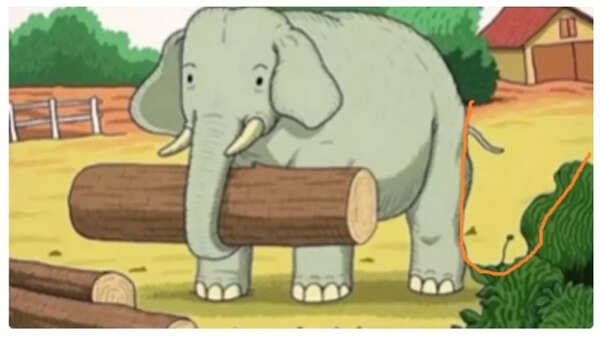
Give up? Here's the answer. You can spot the head of the horse between the elephant's tail, and the bushes on the right. It is just a shape rather than an actual horse, which makes it extremely difficult to spot. Here, we have marked it out for you...
Poll
Were you able to spot the hidden horse in 10 seconds?
Types of optical illusions
There are three main types of optical illusions:
Literal Illusions: These occur when the brain combines elements of an image to create something that doesn’t exist. For example, an image might look like two faces or a vase depending on how you interpret it.
Physiological Illusions: These are caused by overstimulation of the visual system, such as excessive exposure to light, movement, or color. They can create effects like afterimages or motion illusions.
Cognitive Illusions: These rely on how the brain subconsciously interprets information. Examples include illusions like the Müller-Lyer illusion, where lines appear longer or shorter due to surrounding shapes.
How do optical illusions work?
Optical illusions occur because of the way our brain processes visual information. The human vision system is complex but not perfect. When light enters the eyes, it is converted into signals by the retina and sent to the brain for interpretation. The brain uses past experiences and patterns to fill in gaps and make sense of what it sees.

About the Author
TOI Lifestyle DeskEnd of Article
Follow Us On Social Media





Tired of too many ads?go ad free now
Featured In Lifestyle

Tired of too many ads?go ad free now
MORE FROM ETIMES
life & styleHot on the Web
H3 Movie ReviewRetro ReviewRaid 2 Movie ReviewRetro OTT ReleaseMumtazMaharashtra Day WishesLabour Day WishesHit 3 Movie ReviewHealth TipsBrain ExercisesPowerful DrinksHIT 3 Twitter ReviewJaved AkhtarKiara AdvaniChia Seeds For Hair GrowthUnique Green Colour BirdsBaby Girl NamesWorld Oldest Living AnimalsParesh RawalLow Maintenance SucculentsLuck Fishes for HomeAjith KumarShivaji SatamDiabetic Friendly FruitsJaat Box Office CollectionMouni RoyHair Growth OilsKareena KapoorLabrador Retriever VS Golden RetrieverSheena Bajaj Pregnancy NewsAries May HoroscopeTaurus May HoroscopeGemini May HoroscopeCancer May HoroscopeLeo May HoroscopeVirgo May HoroscopeLibra May HoroscopeScorpio May HoroscopeSagittarius May HoroscopeCapricorn May HoroscopeAquarius May HoroscopePisces May Horoscope
Trending Topics
Latest MoviesBollywood MoviesHollywood MoviesTamil Movies 2025Telugu Movies 2025Malayalam Movies 2025Kannada Movies 2025Marathi Movies 2025Bengali Movies 2025Top Rated Movies 2025Best Hindi MoviesBest English MoviesBest Telugu MoviesBest Tamil MoviesBest Malayalam MoviesBest Kannada MoviesBest Bengali MoviesUpcoming Hindi MoviesBest Movies Of All TimeBest Hindi Movies of All TimePisces Horoscope TodayAquarius Horoscope TodayCapricorn Horoscope TodaySagittarius Horoscope TodayScorpio Horoscope TodayLibra Horoscope TodayVirgo Horoscope TodayLeo Horoscope TodayCancer Horoscope TodayGemini Horoscope Today
Popular Categories
Aries April HoroscopeTaurus April HoroscopeGemini April HoroscopeCancer April HoroscopeLeo April HoroscopeVirgo April HoroscopeLibra April HoroscopeScorpio April HoroscopeSagittarius April HoroscopeCapricorn April HoroscopeAquarius April HoroscopeEntertainment NewsBollywood NewsTollywood NewsKollywood NewsMollywood NewsMovie ReviewsLatest Hindi MoviesLatest Tamil MoviesParenting TipsHome RemediesWeight LossBeauty TipsParenting TipsHindi VideosHindi Video SongsBhojpuri Music VideosLatest Telugu MoviesBhojpuri Music VideoHindi TV News
Latest News
Garena Free Fire Max redeem codes for May 1: Win free in-game goodies like skins, weapons, diamonds, and moreUS reaching out to China for tariff talks: Beijing state mediaMassive fire breaks out at Hotel Naaz in Ajmer's Diggi Bazaar; 2 injured, several found unconsciousBen Roethlisberger’s sister Carlee was a dual sportswoman, playing basketball and volleyballFunding cuts threaten to deepen hunger crisis as rising costs send more families to food banksIPL 2025: Vaibhav Suryavanshi-inspired Rajasthan Royals run into Mumbai IndiansNot paid salary, Chennai showroom employee steals carWhen Nana Patekar said he would’ve joined the underworld if not for his acting career: “I was too violent”NHL playoff controversy: Brandon Hagel injury raises questions about league's double standardsIPL 2025: CSK shown the door by PBKS at ChepaukKEAM 2025 answer keys released by CEE Kerala; objection window open till May 3Luka Doncic returns after scary back injury scare against Minnesota Timberwolves in playoff Game 5 battlePakistan appoints ISI chief Asim Malik as NSA amid escalating tensions with India over Pahalgam terror attack"Happy Birthday AK" trends as celebrities and fans shower wishes for Padma Bhushan Ajith Kumar on his 54th birthdayFormula 1 and Mexico City agree to a three-year extensionDid Utah Hockey Club "accidentally" leak new name for 2025-26 season?The ocean’s unicorn: Meet the pink Manta Ray that is only one in the whole world!‘Raid 2’ Twitter Review: Ajay Devgn Starrer Off to a gripping start, fans call it a worthy sequel