
Why your kitchen knife gets dull so fast and the 5 ways to fix it
Why your kitchen knife gets dull so fast and the 5 ways to fix it
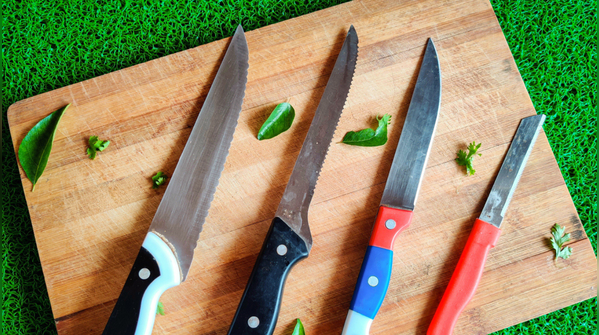
A dull kitchen knife is one of those small domestic frustrations that somehow makes everything feel harder than it should. Tomatoes slip before the blade bites. Onions crush instead of slice. Herbs turn ragged. Chicken, fish, fruit, even a simple loaf of bread can suddenly feel like a battle. Most people blame the knife itself, but the real story is usually less dramatic and more revealing: the problem is not always cheap steel or a bad brand. Often, it is the way the knife is used, washed, stored, and maintained day after day. In other words, dullness is rarely an accident. It is often a slow accumulation of small habits that quietly wear down the edge. The good news is that this is fixable. A sharp knife does not just make cooking easier; it makes it safer, cleaner, and far more precise. Once you understand why knives lose their edge so quickly, the solution becomes much less mysterious. Here are 5 reasons your kitchen knife gets dull so fast and the surprisingly simple ways to fix it before cooking starts feeling like a chore again.
You are cutting on the wrong surface
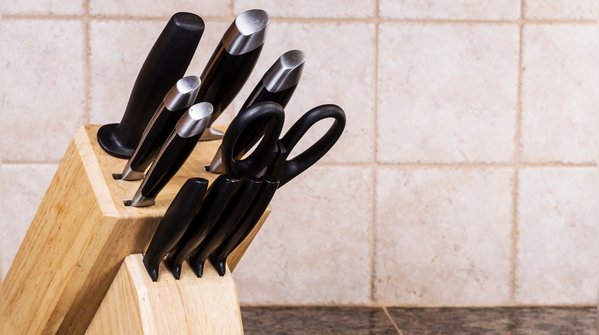
One of the fastest ways to destroy a knife edge is also one of the most overlooked: the cutting board. Glass, stone, marble, ceramic, and other hard surfaces may look elegant, but they are unforgiving on steel. Every chop against a hard board sends tiny shocks through the blade’s edge, gradually bending and wearing it down.
This is why wooden or plastic cutting boards are usually much kinder to knives. Wood, in particular, has enough give to absorb some of the impact, while still providing a stable surface. A knife can stay sharper for much longer simply by being used on the right board. If your blade seems to go blunt almost as soon as it is sharpened, the board beneath it may be the real culprit.
You are using the knife for the wrong job
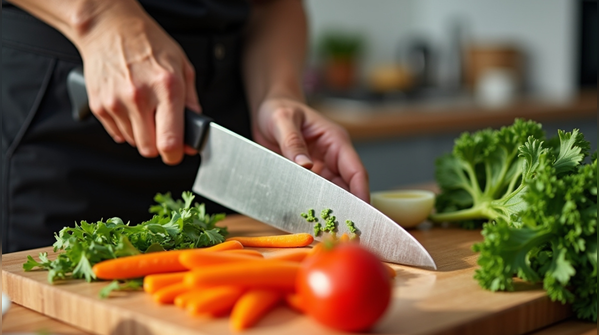
Kitchen knives are often asked to do work they were never designed for. People pry open lids, slice frozen food, hack through bones, scrape chopped ingredients off the board, or even open packaging with the blade. Each of those actions stresses the edge in a different way, and none of them are gentle.
A chef’s knife is not a tool for everything. A paring knife is not meant to fight through squash. A bread knife is not meant to behave like a cleaver. Once a blade is used outside its purpose, the edge can chip, bend, or lose alignment much faster. The fix is simple but underrated: use the right knife for the task, and stop treating one blade like a universal utility tool. A knife that is spared unnecessary abuse will stay sharper far longer.
You are washing and storing it badly
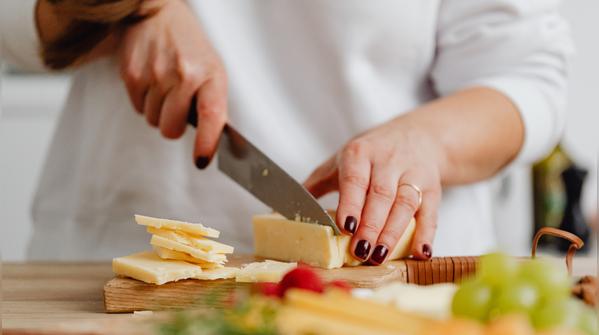
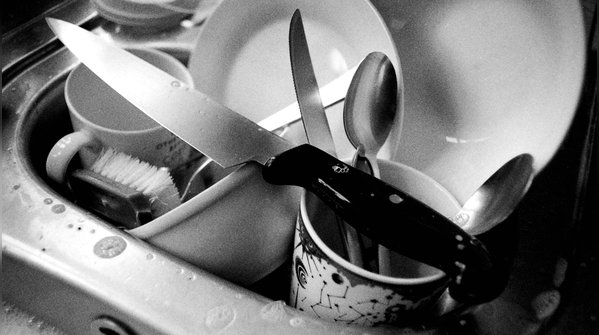
Water itself does not usually dull a knife overnight, but the habits around washing and storage can do real damage. Letting a knife sit in the sink invites accidental knocks against other utensils. Tossing it loosely into a drawer means the edge repeatedly rubs against metal, ceramic, or even other blades. Over time, that contact chips and blunts the edge.
Dishwashers can be even harsher. High heat, strong detergent, movement against other items, and long exposure to moisture can all shorten a knife’s life. Add to that the risk of the handle loosening or the blade corroding, and it becomes easy to see why hand-washing is usually the safer choice.
The better routine is plain and boring, which is often the best kind of routine: wash by hand, dry immediately, and store the knife in a block, magnetic strip, or sheath. A blade that is protected between uses will almost always outlast one that is left to rattle around with spoons and forks.
You are confusing honing with sharpening
Many home cooks think a knife is “sharpened” every time it is run across a steel rod. That is not quite right. Honing does not remove much material. It mainly realigns the microscopic edge that bends over with normal use. That means honing can make a knife feel sharper, but it cannot restore a truly worn blade.
Sharpening, on the other hand, actually removes a small amount of metal to rebuild the edge. If a knife has become genuinely dull, no amount of casual honing will bring it fully back. This confusion leads many people to think their knife is failing too fast, when in fact it has simply never been properly sharpened in the first place.
The fix is to use honing regularly and sharpening periodically. A few quick passes on a honing rod before cooking can help maintain the edge, while proper sharpening, done with a whetstone, guided sharpener, or professional service, restores the blade when it has lost its bite.
The knife may be poorly made, or just badly maintained
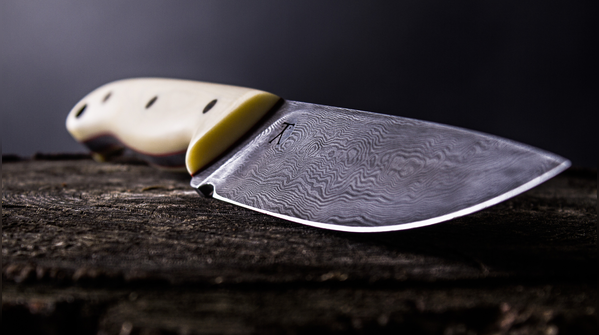
Sometimes the problem is not your technique at all. Some knives are made from softer steel, which can be easier to sharpen but may lose its edge faster. Others are assembled poorly, have uneven blade geometry, or come with a factory edge that wears down quickly after only modest use.
But even a good knife will disappoint if it is neglected. A high-quality blade still needs attention. It still needs proper washing, careful storage, regular honing, and occasional sharpening. A cheap knife can sometimes surprise you if it is maintained well. A better knife can fail early if it is abused.
The best long-term fix is to think of a knife as a tool that needs care, not a disposable object. If you use it often, invest in one with decent steel and a comfortable handle. Then keep it in shape with routine maintenance instead of waiting until it becomes frustratingly dull.
Papdi chaat (27)
Featured In Food

MORE FROM ETIMES
life & style