Trending
Why salt is never used in certain religious fasts and the deeper meaning behind it

During Indian religious fasts, the omission of regular salt signifies a deeper practice of renunciation and sensory simplification. Replacing it with rock salt or abstaining altogether embodies discipline and a connection to nature. This tradition aligns with health benefits, reducing sodium intake and enhancing taste sensitivity, ultimately fostering a heightened appreciation for simplicity and mindful consumption.
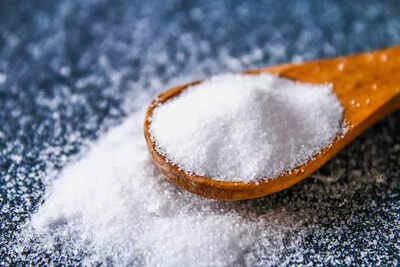
Salt and the idea of renunciation
The rock salt exception

A test of willpower
What science says
More than food

The aftertaste of simplicity

About the Author
TOI Lifestyle DeskEnd of Article
Follow Us On Social Media










Photostories
Tired of too many ads?go ad free now
Food videos
Featured In Food

Tired of too many ads?go ad free now
MORE FROM ETIMES
life & styleHot on the Web
Blackheads Removing TipsPest Control TipsVitamin B12 DeficiencyFatty Liver SymptomsSidharth MalhotraCocoa Power For HairCancer RiskAneet PaddaFoods For Strong BonesNagarjuna AkkineniGlucose ChecksSkincare RoutineChiranjeeviSai DhanshikaMagnesium DeficiencyProstate Cancer SymptomsAmitabh BachchanParam Sundari Box Office CollectionBigg Boss 19Bigg Boss 19 Contestants ListDipika KakarUnique Tail AnimalsParam Sundari Movie ReviewClove TeaLow CholesterolKing CobraBaby Girl NamesWar 2 Box Office CollectionCoolie Movie ReviewCoolie Box Office CollectionStomach Cancer WarningDiabetic Shock SignsWorld Oldest WomanJamun For DiabetesCarly PearceTips To Prevent RabiesSkincare HabitsFatty Liver SymptomsKidney Damage SymptomsDragon SnakeFood For Better Gut Health
Trending Topics
Latest MoviesBollywood MoviesHollywood MoviesTamil Movies 2025Telugu Movies 2025Malayalam Movies 2025Kannada Movies 2025Marathi Movies 2025Bengali Movies 2025Top Rated Movies 2025Best Hindi MoviesBest English MoviesBest Telugu MoviesBest Tamil MoviesBest Malayalam MoviesBest Kannada MoviesBest Bengali MoviesUpcoming Hindi MoviesBest Movies Of All TimeBest Hindi Movies of All TimeLatest English MoviesLatest Malayalam MoviesEnglish TV NewsTamil TV NewsTelugu TV NewsMalayalam TV NewsKannada TV NewsMovie ReviewsBhojpuri Cinema NewsGujarati Cinema News
Popular Categories
Viral NewsK Pop NewsWeb Series NewsAnime NewsUpcoming English MoviesUpcoming Tamil MoviesUpcoming Telugu MoviesUpcoming Malayalam MoviesUpcoming Kannada MoviesFashion TipsTravel NewsEntertainment NewsBollywood NewsTollywood NewsKollywood NewsMollywood NewsFood NewsLatest Hindi MoviesLatest Tamil MoviesParenting TipsHome RemediesWeight LossBeauty TipsParenting TipsHindi VideosHindi Video SongsBhojpuri Music VideosLatest Telugu MoviesBhojpuri Music VideoHindi TV News
Latest News
Some countries pressured us to open agriculture market; but India now stands tall: Agri minister Shivraj Singh ChouhanWill Giannis Antetokounmpo play against Cyprus? Greece reveals bold decision ahead of EuroBasket 2025 showdownKrishnagiri district police rescue baby girl abducted by womanPremier League: Manchester United edge first win with Bruno Fernandes penalty; Thomas Frank suffers first Spurs defeatMeet Esha Deol's ex-husband Bharat Takhtani's alleged new partner Meghna Lakhani, who is an entrepreneur and heads multiple startups“Always something of a dramatic team”- Andy Kamenetzky weighs in on Los Angeles Lakers amid LeBron James retirement buzzTarot Card Predictions Today, August 31, 2025: Cards reveal hidden truths for these zodiac signs'Don’t talk nonsense': Tej Pratap slams 'Abki Baar Tejashwi Sarkar' chant; calls out 'ego'Horror at 30,000 feet: United Express jet plummets thousands of feet, leaves passengers bloodied | WatchTolling at Gharaunda on Delhi-Chandigarh highway to become barrier-freeTales from inside a burns ward: Kitchen accidents that aren’t always accidentsRahul Vaidya raises concern over fake devotion in Ganpati celebrations; says, “Half wouldn’t attend if it wasn’t for Instagram”Salman Nizar unleashes mayhem: 40-Run over, 11 sixes light up KCLEverything you need to know about the Grow a Garden Fairy EventManipur's 4 People’s Liberation Army cadres nabbed in infiltration bid from MyanmarIs David Pastrnak a serious Hart and Rocket Richard Trophy contender in 2025-26?'I want my Porsche': Yuvraj Singh's six-sixes bat now with Lalit Modi – here's whyPremier League: VAR controversy, Liam Delap injury mar Chelsea's 2-0 win over Fulham