
Why is the mayonnaise ban extended in this South Indian state till April 2027
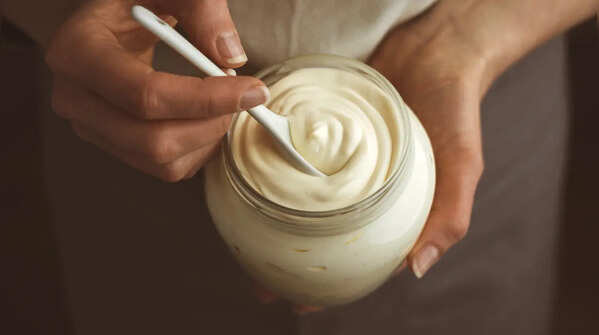
Mayonnaise ban is extended for another year
When it comes to popular, creamy condiments, mayonnaise is loved by people of all age groups. The creamy texture and sweet and salty aftertaste of this condiment create a magic on the taste buds that one cannot ignore. While you might be relishing a mayonnaise-loaded sandwich while reading this, a South Indian state has lacked this condiment for the last year and will continue to do so until April 2027. Scroll down to find out the details.
On April 8, 2025, the Commissioner of Food Safety and Drug Administration banned the manufacture, storage, distribution, and sale of mayonnaise made using raw eggs for one year in Tami Nadu. Cut to April 2026, and once again the Tamil Nadu government has extended the ban on the manufacture, processing, packaging, storage, transportation, distribution, and sale of mayonnaise prepared from raw eggs for another year from April 8, 2026. Scroll down to read the details.
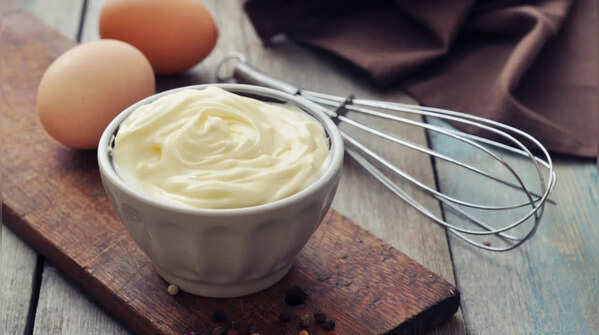
Why raw-egg mayonnaise is based?
The notification by the Commissioner of Food Safety and Drug Administration was issued under relevant sections of the Food Safety and Standards Act, 2006, and the order of the Commissioner of Food Safety of Tamil Nadu.
According to the April 2025 advisory, the official notification described mayonnaise as a “semi-solid emulsion containing egg yolk, vegetable oil, vinegar, and other seasonings,” commonly used in dishes like shawarma. It categorises mayonnaise made with raw eggs as a “high-risk” food, pointing to the presence of harmful bacteria such as “Salmonella typhimurium, Salmonella enteritidis, Escherichia coli, and Listeria monocytogenes.”
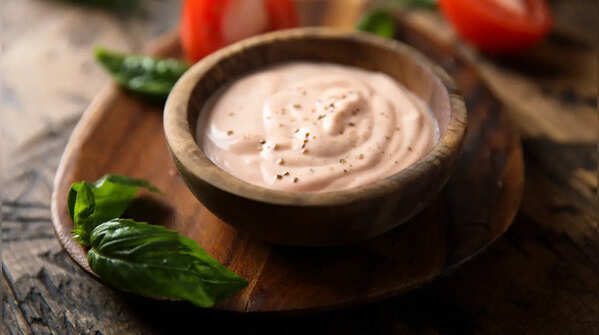
About Mayonnaise and its origin
According to Taste Atlas, mayonnaise is a type of emulsion that’s made by combining egg yolks with oil, lemon juice or vinegar, seasonings, and optional flavorings.
There are several theories about the origins of this culinary invention; however, the one that’s been most widely accepted says that the sauce was invented in 1756 by the Duc de Richelieu’s chef in honor of the Duke’s victory at Port Mahón, a city on the Spanish island of Menorca. Other conflicting stories suggest that the sauce is of Spanish origins, while some claim that it originated from the French cities of Bayonne or Les Mayons. When it comes to mayonnaise’s name, there are also multiple theories behind the word’s evolution.
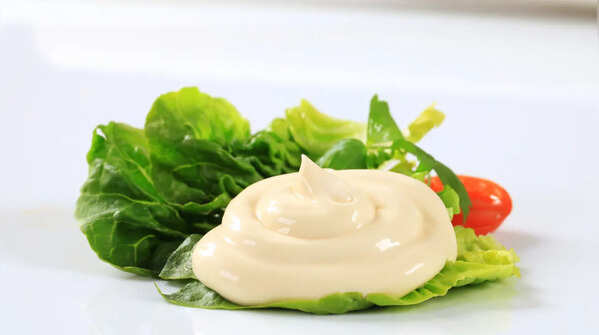
How can raw-egg mayonnaise pose a health hazard?
Risk of Salmonella Infection: It is proven that raw eggs can carry Salmonella bacteria, which can cause food poisoning, including diarrhea, fever, and stomach cramps.
Biotin Deficiency: They also contain a protein called avidin that binds to biotin (Vitamin B7) and can block its absorption, potentially leading to biotin deficiency over time.
Digestive Issues: As per experts, some people may experience bloating, gas, or stomach discomfort because raw eggs are harder to digest compared to cooked eggs.
Allergic Reactions: According to experts, raw eggs can also trigger allergies, leading to hives, swelling, or even serious breathing problems.
Weakened Immune Response: Regularly consuming contaminated raw eggs can strain the immune system, especially in vulnerable groups like young children, pregnant women, the elderly, or those with weakened immunity.
Other healthy and eggless alternatives
Yogurt: It is one of the easiest swaps and is tangy, creamy, and lighter in taste. It works well in sandwiches, wraps, and dressings as well.
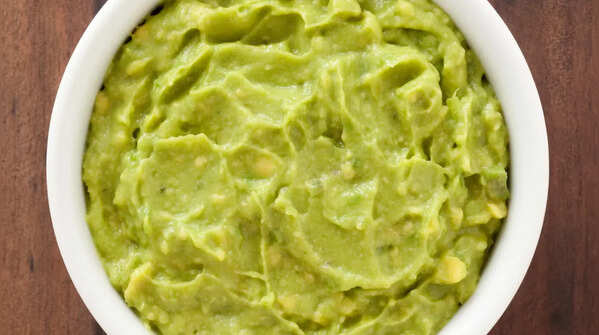
Mashed Avocado: It has a creamy texture similar to mayonnaise and is also rich in healthy fats. It is great for sandwiches and spreads and offers a subtle sweet aftertaste. One can add a little lemon juice and salt for better flavor.
Hummus: It is made with boiled and blended chickpeas, tahini, salt, garlic, and pepper and makes for a nutritious option. It is savory in taste and works well in wraps, burgers, and dips.
Cream Cheese: This is also a readily available spread that can be used in place of mayonnaise and offers similar taste and texture to sandwiches and wraps. One can season it with oil and herbs and make a delectable dip as well.
Featured In Food

MORE FROM ETIMES
life & style