
Why does homemade curd release transparent liquid on top? 4 tips to fix it and set perfect curd at home
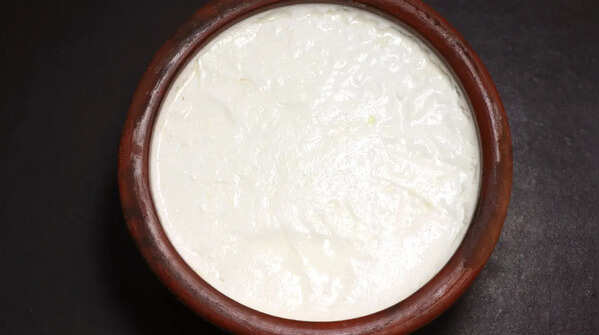
The right way to set curd to avoid transparent liquid
When it comes to curd, nothing beats the comfort and creaminess of homemade curd, which offers a subtle sweetness. If the milk is boiled along with fat, it also offers a thick layer of malai that adds to the richness of the curd. But sometimes, homemade curd disappoints with a thin watery layer on top after setting. According to experts, it is whey protein, a natural byproduct of milk fermentation, rich in protein, calcium, vitamin B12, and even probiotics. While it is good for human consumption, it does impact the visual appeal of the dish. Let us talk about the science behind it and 4 smart tips to fix it at home.
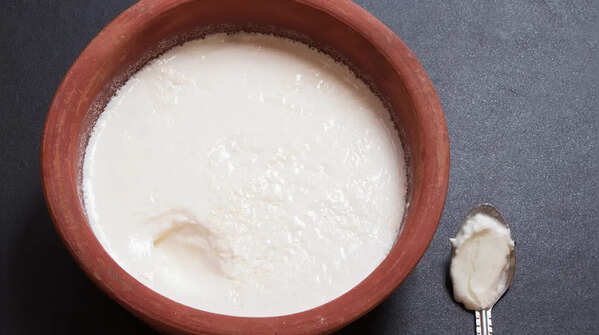
Understanding the science behind it
According to experts, when you add starter to the milk, beneficial bacteria convert lactose into lactic acid and this acid causes milk proteins to solidify. And when the structure becomes too tight or unstable, it expels water, resulting in the watery layer referred to as curd whey. This phenomenon largely depends on the quality of milk, temperature and the fermentation process. Scroll down to read the tips to avoid it. It is also said that if the curd is left to set for too long or in a very warm environment, it becomes more acidic and it starts releasing more whey and that's why when the curd sets, it is suggested to store it in a cool place.
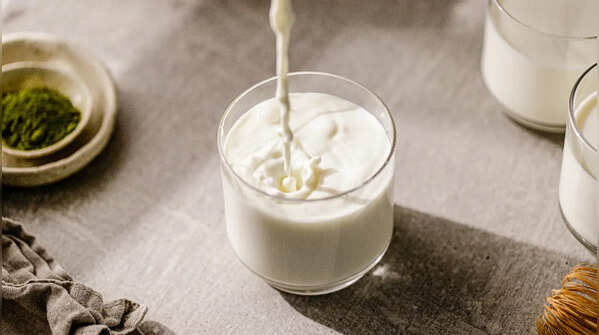
Tip 1: Use full-fat milk
According to experts, the texture of curd largely depends on the quality of milk. Full-fat milk produces thicker and creamier curd because it has a richer composition that supports a stable protein network. While toned or skim milk lacks fat content and makes the curd prone to releasing water. It is also said that the use of full-fat milk along with the cream makes the curd sweet and tastier as well.
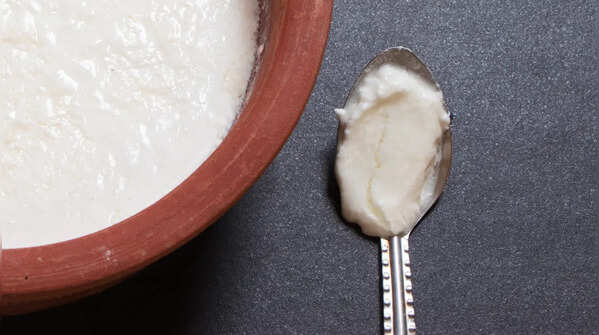
Tip 2: Add the right amount of starter
Another reason for curd releasing water is the excessive use of starter. Some people often add a spoonful of starter thinking it will set the curd faster and thicker. For the uninitiated, too much starter accelerates fermentation, making the curd overly sour and causing it to release more whey. The trick is to follow a balanced approach. About 1/4-1/2 tsp of starter s enough for 500 ml of milk. According to experts, the trick is also to whisk the starter in milk for 30-32 times to get the perfect curd.
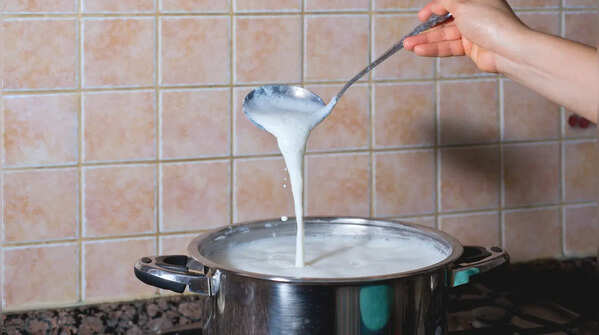
Tip 3: Maintain a warm and stable temperature
When making curd at home, the right temperature plays a key role. Ideally, curd should be kept in an environment between 30°C and 40°C. If it is too cold, the curd may not set properly. If it is too hot or left for too long, over-fermentation can occur, leading to excess liquid. According to experts, during colder weather, placing the container in a switched-off oven, microwave, or wrapping it in a cloth helps attain the right texture of curd. It is also said that if the curd is not set at right temperature, it often turns sour and leads to an unpleasant experience.
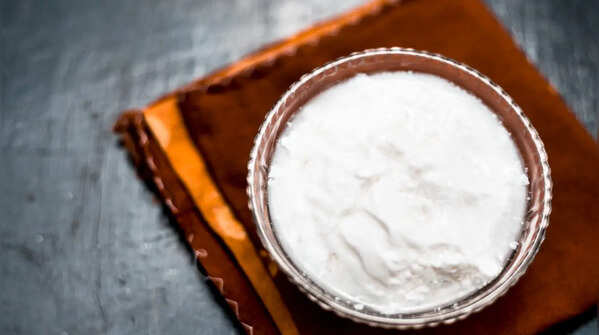
Tip 4: Adding starter at the right temperature
The ideal temperature to add the starter to milk is lukewarm, around 35°C to 40°C. For perfection, one can always keep a kitchen thermometer handy. Traditionally, people in Indian homes dip a finger into the milk, and if it feels warm yet comfortable, it is the right temperature to add the starter. Also, after closing the lid, avoid shaking or moving the container, as it interrupts the formation of the protein structure, resulting in a loose consistency that cannot hold water effectively.
Featured In Food

MORE FROM ETIMES
life & style