
Watermelon Adulteration: 5 summer fruit alternatives to watermelon for hydration

How much water content other fruits offer in summer
Summer months and watermelon have a deeper connection. But sadly in 2026, this connection has been disrupted with so many adulteration cases leading to illness and deaths. And now, every slice of this fruit dehydrates you with worries about its quality and authenticity. Watermelon, one of the most popular summer fruits known for its 92% water content is frequently doubted. Social media is full of home purity tests to check the quality of this summer fruit. Keeping these concerns in mind, here we have listed some other summer fruit alternatives to watermelon that are good for hydration. Take a look.
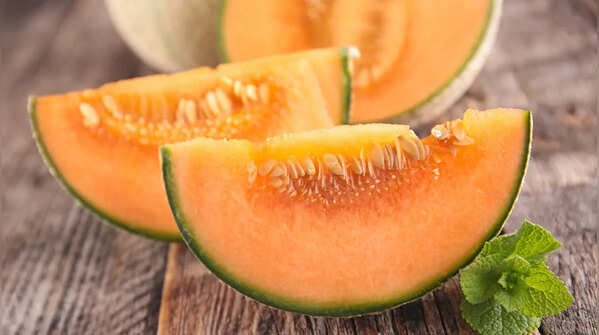
Muskmelon
Water contwnt: About 90%
Also known as cantaloupe, it is a sweet and refreshing fruit that is highly beneficial during summer. It is rich in vitamins A and C, potassium and fiber and is said to be good for skin and digestion. It is also low in calories, making it a healthy option for people trying to maintain their weight.
How to consume: While it can be eaten fresh in slices, one can also add it to fruit salad or blend it into smoothies and chilled juices.
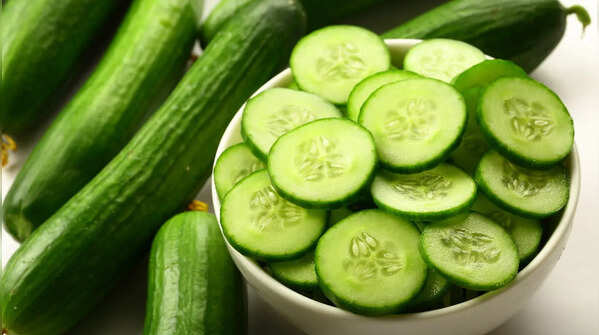
Cucumber
Water content: About 95%
Cucumber is one of the most hydrating foods available and is also categorised as a vegetable. It is also rich in antioxidants, Vitamin K, and potassium, which help maintain healthy skin and support overall body functions. Cucumber is also helpful in digestion and helps remove toxins from the body.
How to consume: It is best consumed raw, and can also be aded to sandwiches and wraps. People also make raita and detox water with it during summer months.
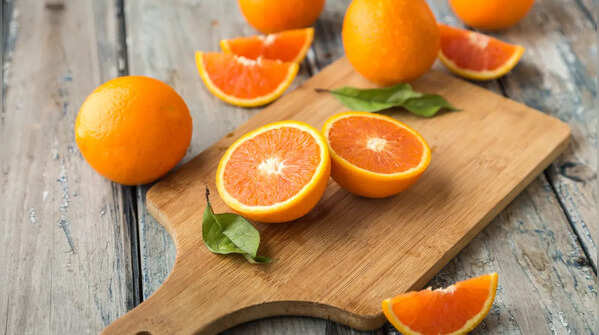
Orange
Water Content: About 86%
It is one of the juiciest fruits that helps maintain hydration during summer. It is rich in vitamin C, strengthens the immune system and protects the body from infections. It is also rich in antioxidants, fiber, and natural sugars that provide instant energy and freshness.
How to consume: While it is best enjoyed fresh as a snack or breakfast fruit, one can also drink its juice without added sugar and use it to make salad or dessert for added flavour and tanginess.
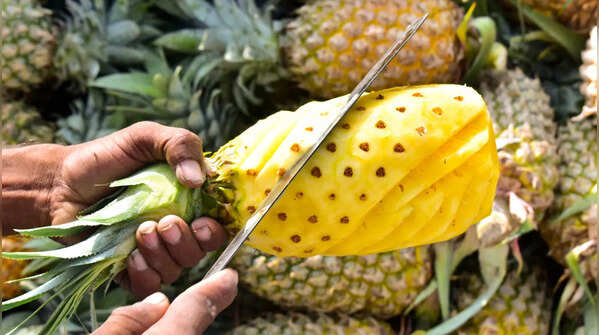
Pineapple
Water Content: About 86%
It is a tropical fruit and contains enzymes such as bromelain, which help improve digestion and reduce inflammation. It is also rich in vitamin C, manganese, and antioxidants that support overall health and hydration.
How to consume: One can eat it fresh as a snack, or it can also be blended into smoothies, juices, mocktails, or chaat.

Strawberry
Water Content: About 91%
It is attractive in looks and loaded with water and antioxidants. It is rich in vitamin C, fiber, and important nutrients that improve immunity and digestion.
How to consume: It is best enjoyed in salads and can be added to yogurt, smoothies, milkshakes, and desserts.
Featured In Food

MORE FROM ETIMES
life & style