
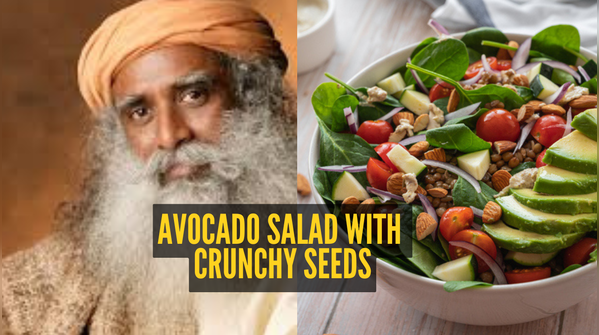
Sadhguru considers this Avocado Salad with Crunchy Seeds an ideal precursor to the main meal, recipe inside
Why Sadhguru recommend's this salad as a pre-meal?
Sadhguru often shares simple and easy recipes on his blog which talks about healthy and sustainable eating practices. As per one of his blog posts on the Isha Foundation website, Mixed Avocado Salad with Crunchy Seeds makes for a fun, crunchy salad that you can try when you’re looking for a light but delicious precursor to the main meal. As per his post, this easy avocado salad makes for an ideal precursor to the main meal, as it is rich in fiber, protein and other essential nutrients that will help your body and digestive health in many ways. Scroll down to read the recipe and its benefits.
How to make Avocado Salad with Crunchy Seeds
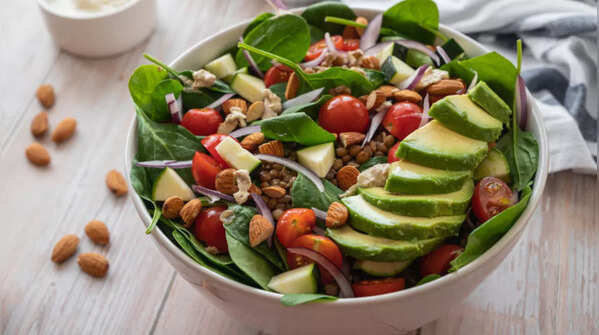
IngredientsFor Salad: 1 ripe avocado, 1 tbsp pumpkin seeds, 1 tbsp sunflower seeds, 1 tbsp white sesame seeds, 2 capsicum, 1 cup grapes or fresh pineapple chunks, and 1 cup iceberg lettuceFor Dressing: 2 avocado, juice of 1 lime, 1 tsp black pepper powder, 4 tbsp olive oil, 1/2 tsp salt, 2 tbsp honey, and zest of 1 lime
Method: To begin with, toast the pumpkin, sunflower, and sesame seeds in a lightly oiled pan until golden. Let them cool completely. Peel the avocado and cut into 1-inch-long slices. Wash the capsicums and cut into 1-inch squares. Cut the grapes in half and deseed if necessary. Also, cut the iceberg lettuce into medium-size chunks. Puree the ingredients for the dressing in a mixer and keep it aside. Mix the salad vegetables and grapes in a big glass bowl. Drizzle the dressing on the salad just before serving. Toss the salad, taking care not to over-mix the ingredients. Sprinkle the toasted seeds on top.
Benefits of avocado
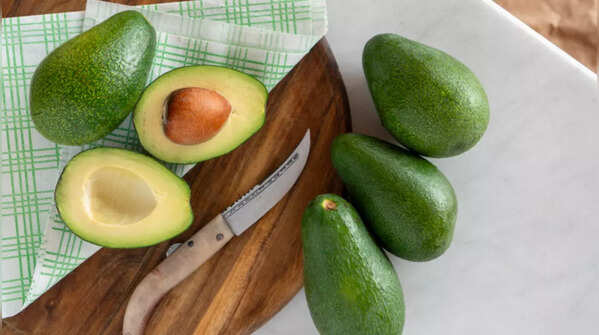
1 medium avocado, which is about 150g, contains roughly 3 grams of protein. As per a study, avocados are a medium energy-dense fruit, with about 1.7 kcal/g, and contain approximately 80% water and dietary fiber, contributing to their lower sugar content compared to other fruits. They have good amounts of total fat, monounsaturated and polyunsaturated fats, dietary fiber, vitamins E, K, magnesium, and potassium, with a lower intake of added sugars. Another study titled A Comprehensive Review of Hass Avocado Clinical Trials, Observational Studies, and Biological Mechanisms states that avocados help reduce cardiovascular disease risk by lowering non-HDL cholesterol, triglycerides, LDL oxidation, and small atherogenic LDL particles. They are also a good source of micronutrients and polyphenols, and are very low in sodium and available carbohydrates supporting secondary health and wellness benefits.
Benefits of pumpkin seeds
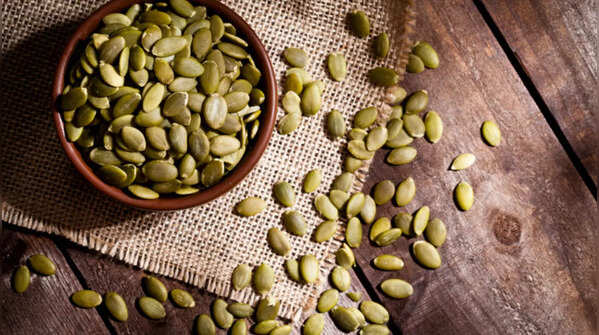
They are said to provide zinc and healthy fats that help in iron absorption. As per a study, pumpkin seeds are a rich source of nonheme iron, providing approximately 8.8 mg of iron per 100 grams, which accounts for about 49% of the recommended daily allowance (RDA) for adult men and 27% for women. This makes them a valuable dietary source for preventing and managing iron deficiency anemia.
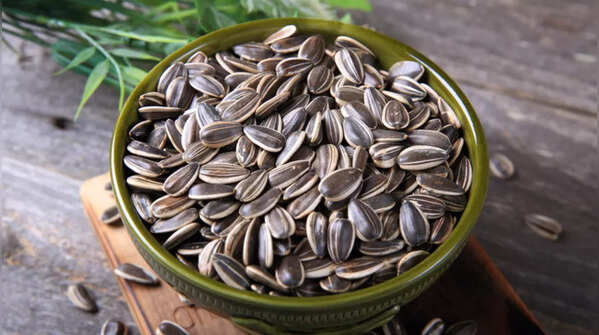
Benefits of sunflower seeds
Sunflower seed contains healthy fat, fiber and protein. The fiber in sunflower seeds can help to lower the cholesterol level and slow down digestion, while the healthy fat can help to reduce inflammation and promote heart health. They are good for those suffering from type 2 diabetes as they increase insulin level and reduce blood sugar level. You may eat one to two tablespoons of sunflower seeds every day.
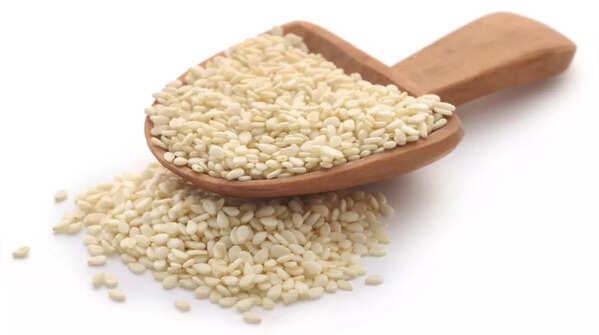
Benefits of sesame seeds
These seeds are rich in calcium, iron, and healthy fats and provide natural warmth and strength to the body during cold months. Their rich nutrient profile helps boost immunity, improve bone health, and nourish the skin from within. Even studies suggest that white sesame seeds are packed with healthy fats, high-quality plant protein, dietary fiber, essential vitamins (B-complex and vitamin E), and minerals such as calcium, iron, magnesium, phosphorus, zinc, and copper, which contribute to overall health.
Images Courtesy: istock
Featured In Food

MORE FROM ETIMES
life & style