
Sacred and sweet: Desserts with religious roots

Sacred and sweet: Desserts with religious roots
Food and faith have always been intertwined. Rituals of offering, fasting, and feasting often spill over into the kitchen, giving rise to dishes that taste of both devotion and indulgence. Across cultures, desserts in particular have carried a sacred weight; offered to deities, distributed as blessings, or baked to mark holy days. What began as ritual often softened into tradition, weaving sweetness into the fabric of belief. These are stories of confections that carry religion in every bite. Scroll down to know how faith has shaped some of the world’s most iconic sweets.
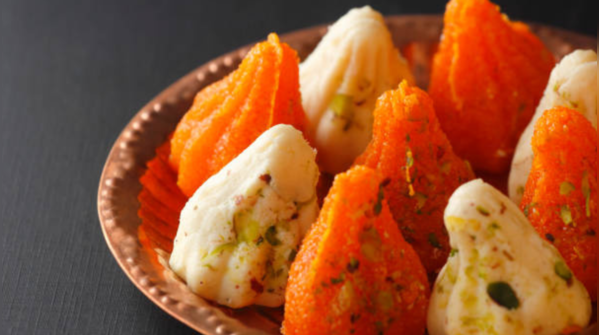
Modak - the sweet favoured by Ganesha
In Maharashtra, no Ganesh Chaturthi celebration is complete without the aroma of steamed modaks. Legend calls it Lord Ganesha’s favourite sweet, the offering most certain to win his affection. Shaped like small, pleated domes, they are filled with grated coconut and jaggery, then steamed or fried. While they may seem like festive indulgence, their role is devotional - each bite part of a prayer, each platter part of a ritual of welcome.

Sheer khurma - a bowl of blessings
During Eid-ul-Fitr, the first day after Ramadan’s month of fasting, kitchens across the subcontinent stir milk, vermicelli, dates, and nuts into a fragrant bowl of sheer khurma. Literally “milk with dates,” it is more than dessert; it is the taste of togetherness. Shared with neighbours, served to guests, and ladled to children before hugs of Eid Mubarak, it embodies the generosity of the festival. What began as a dish of sustenance has become a symbol of communal joy.
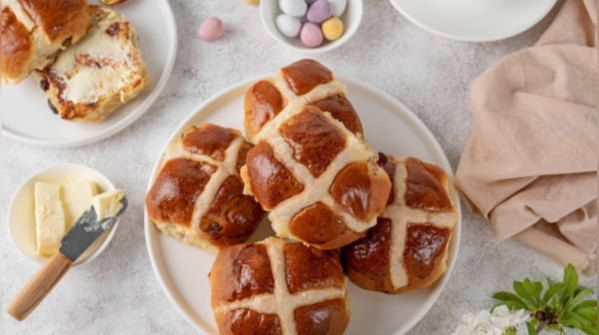
Hot cross buns - crosses in dough
The nursery rhyme may have made them famous, but hot cross buns trace their story to Good Friday. In medieval England, bakers marked sweet, spiced buns with a flour paste cross to honour the crucifixion. The buns were eaten as tokens of blessing, believed to bring protection and healing. Even today, biting into a raisin, cinnamon, and sweet glaze feels like tasting faith baked into simple bread.
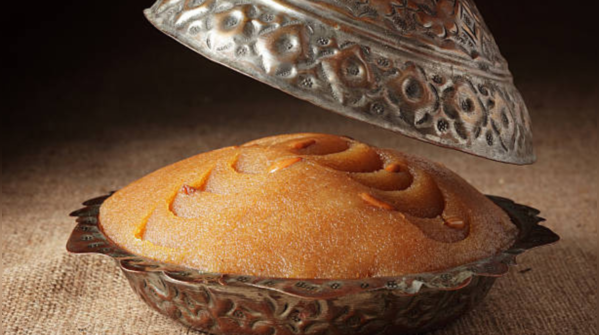
Halwa at gurdwaras - the taste of equality
Step into a Sikh gurudwara, and alongside the strains of kirtan you will encounter the aroma of kada prasad, a soft, rich halwa made from wheat flour, ghee, and sugar. It is prepared fresh in large cauldrons and served to everyone who bows before the Guru Granth Sahib. Its sweetness is not just culinary - it symbolises equality, humility, and grace. A spoonful of the halwa is less about sweetness and more about shared faith.
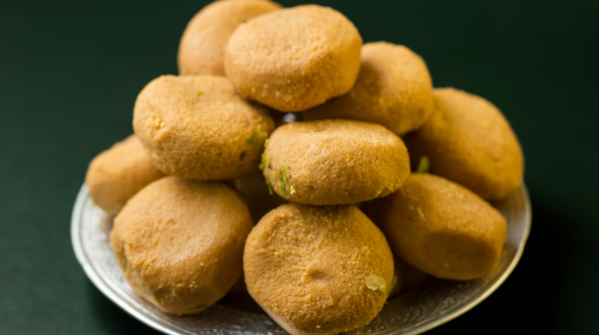
Peda at temples - an offering of devotion
Across many Hindu temples, especially in Mathura and Vrindavan, the peda holds a special place as prasad. Made simply from khoya (reduced milk), sugar, and cardamom, it is considered a timeless favourite among devotees. Devotees line up for boxes of these fudgy, soft pieces after darshan, carrying them home as blessings. These small sweets are simple yet profound, tokens of devotion that travel far beyond temple walls.
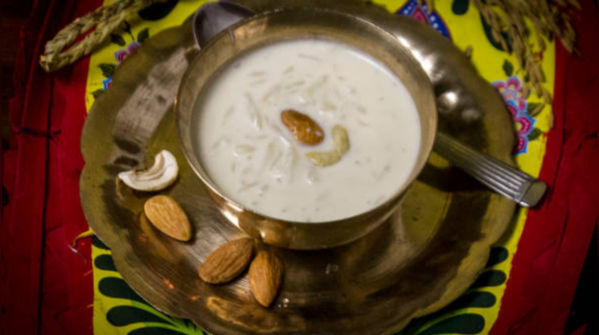
Phirni at Iftar - a cool release
As the day-long fast of Ramadan finally gives way to evening, phirni shows up on countless tables. This chilled rice-and-milk pudding, laced with cardamom and saffron, isn’t just about cooling relief; it’s the taste of patience rewarded. Served in simple clay bowls that keep it naturally cool, it carries both nostalgia and a quiet sanctity. In every spoonful, there’s more than sweetness - there’s the soft echo of faith, devotion, and the calm satisfaction of a promise kept.
Featured In Food

MORE FROM ETIMES
life & style