
How wars changed food habits across countries
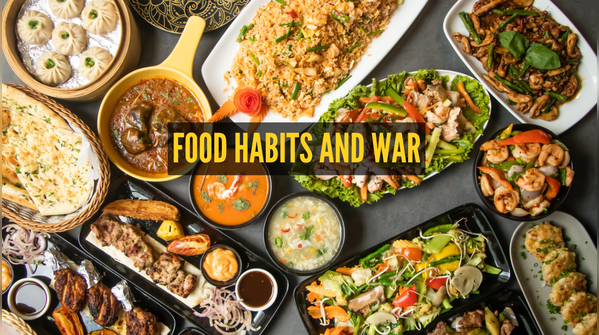
The relation between wars and food habits
The ongoing raging war in West Asia involving Iran, Israel and the United States has impacted Indian kitchens and restaurants, as disruptions in LPG supply linked to the conflict hit cities and the hospitality sector at large. While this might sound strange to many, if we look at history, wars have often resulted in such crises for mankind. Food is more than sustenance, it is memory, identity, and emotion. Across history, food has comforted people in the hardest of times, united communities, and acted as a silent storyteller of cultural shifts. Wars and empires have not only redrawn political boundaries but have also transformed what people eat, how they cook, and even how they perceive taste. Let us take a look at it.
Food as a tool for power and influence
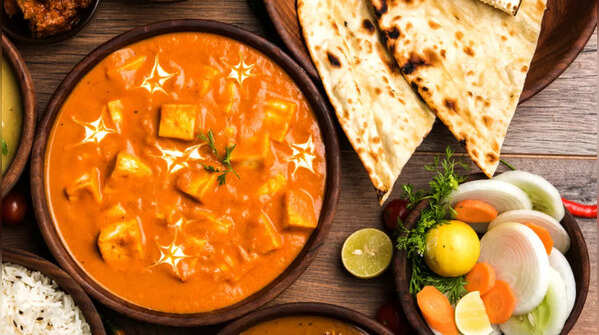
In history, wars and empires have always reshaped cultures. And one of the most profound ways this happened was through food. When rulers occupied new regions, they brought their culinary traditions, ingredients, and eating habits with them and slowly they got merged with local practices, creating new flaovurs and gave birth to new cuisines. India stands as a powerful example of this transformation, where each war and empire has layered it with a new story of invasion, adaptation, and innovation.
The Mughal era
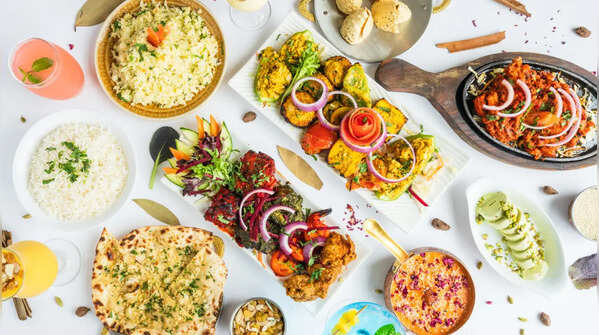
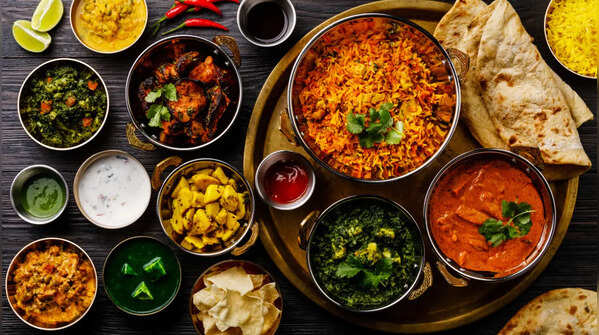
This era brought in the culture of royal kitchens. The arrival of Mughals marked a turning point in Indian food history. The Mughals brought with them Persian and Central Asian culinary traditions, which blended seamlessly with local Indian ingredients and lead to the popualrity of Mughlai cuisine and dishes like biryani, korma, kofta became staples and breads like naan gained popularity. This also made desserts like jalebi and phirni popular. As per legends, food habits were also shaped by environmental challenges. They say that polluted water sources, such as the Yamuna River, led royal chefs to incorporate more spices, ghee, and rich preparations into meals to reduce the risk of disease. This helped establish India’s long-standing preference for bold, spice-laden dishes. Here, religious and cultural sensitivies also impacted foof habits. The Mughals avoided pork due to Islamic beliefs and reduced beef consumption to respect local Hindu sentiments. This led to the increased use of chicken, goat, and fish in the country.
How regional evolution happen
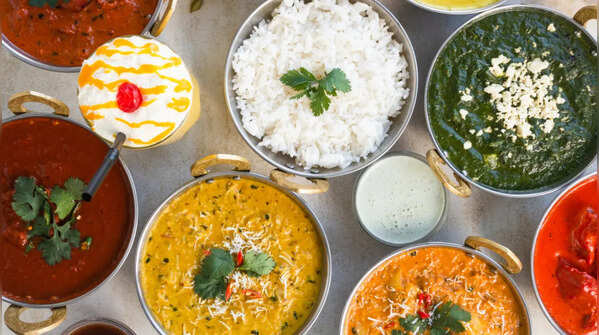
With the decline of the Mughal empire, it fragmented into regional kingdoms. It is said that the Nawabs of Awadh refined Mughlai cooking and made into the delicate and aromatic Awadhi cuisine, which is now known for kebabs and slow-cooked gravies. And later in the Deccan, the Nizams of Hyderabad created iconic dishes like Hyderabadi biryani by blending Mughal and local flavours. In the meantime, in western India, , the Maratha influence highlighted the use of millets, lentils, and local spices. As per legends, this period of transition shows how political dynamics influenced regional diets, creating the diversity we see in Indian cuisine today.
European colonisation
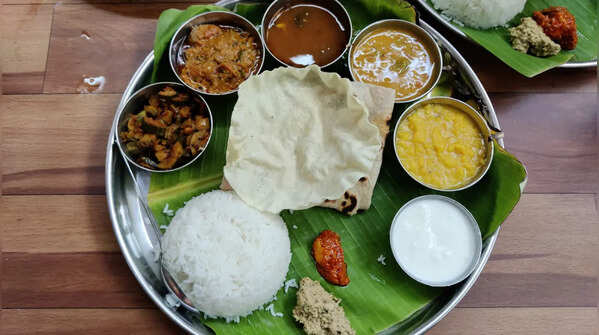
This is called the time of culinary revolution. The arrival of European powers brought one of the most dramatic changes to Indian food habits. The Portuguese, followed by the British and French, introduced new ways of cooking and eating. This period brought in many popular foods like potatoes, tomatoes, and chillies that are enjoyed to this day. Most importantly, chillies replaced black pepper as the primary source of heat, fundamentally changing the flavour profile of Indian dishes across regions. The Portuguese also introduced dairy innovations like cheese, leading to the creation of sweets made from chhena. This also resulted in the rise of iconic desserts like Rasgulla and Sandesh. It also led to the development of bread culture in India.
British influence
The British colonial period further transformed Indian food habits. According to experts, after the Battle of Plassey, British influence led to the introduction of new vegetables like cabbage, cauliflower, and carrots into Indian kitchens. They also popularised the use of eggs, leading to dishes like omelettes becoming common. It is also believed that this is the period when alcohol—rum, gin, beer, and wine—reshaped social and dining practices.
Food, war, and globalisation
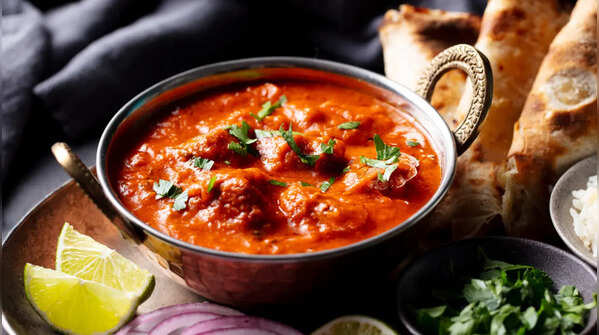
Over centuries, if we look at the foods that it, were introduced during times of conflict became deeply embedded in local traditions. Today, dishes like butter chicken, biryani, and dosa are enjoyed worldwide. Indian cuisine’s global popularity is proof of this journey. From London to New York, Indian flavours have crossed borders and become comfort food for people.
A shared taste beyond conflict
While wars and colonisation often brought hardship, on a brighter side they have also helped people build unexpected connections through food. Today, food continues to act as a bridge between nations. What was once a symbol of conquest has become a symbol of unity. Shared resources, exports and imports get impacted, but at the end of it, they often result in shared culinary connect that is unforgettable.
Featured In Food

MORE FROM ETIMES
life & style