Trending
This story is from April 2, 2022
Chaitra Navratri 2022: Puja timing, vidhi, and bhog
Chaitra Navratri 2022: The nine days of Chaitra Navratri are considered very auspicious and many people observe fast for all nine days or on the first and last day. Take a look, at puja timing, significance, vidhi and bhog.

See More: Navratri 2022: Bhog for 9 days of Chaitra Navratri
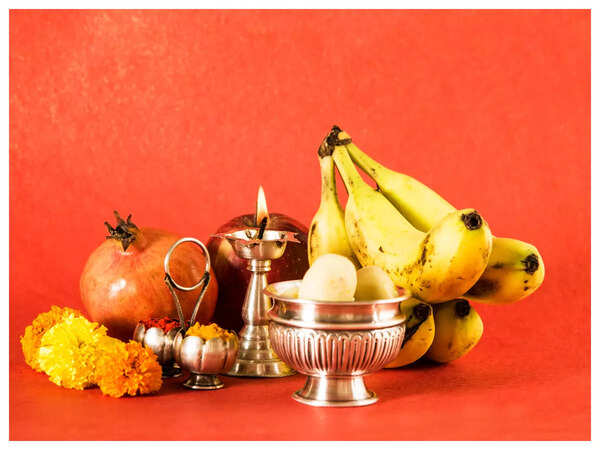
- Puja Timings
As per Panchang, Ghata Sthapana Muhurat on April 2, 2022 is between 06:10 am to 08:31 am and Ghata Sthapana Abhijit Muhurat is between 12:00 pm to 12:50 pm - Significance of Chaitra Navratri
The nine days of Chaitra Navratri are considered very auspicious and many people observe fast for all nine days or on the first and last day. During these days, people follow sattvik diet which prohibits the consumption of onion, garlic, eggs, meats and alcohol. And those who are fastingeither follow sattvik diet or phallar fasting, which makes them abstain from consuming grains, cereals and legumes too. From the medical science perspective, these nine days help prepare the body for the hotter months and sattvik diet helps boost the digestive system too. - Puja Vidhi
Puja VidhiThe festivity of Chaitra Navratri begins with the Kalash sthapana or Ghatasthapana on Pratipada, i.e. the first day of Navratri. As per mythology, Ghatasthapana is the installation of a Kalash followed by a ritual meant for invoking the Goddess in it. It symbolises the power to give birth to new life. For Ghatasthapana, you need an earthen pan, soil, nine varieties of good grains, a kalash (either made of silver, brass or copper), mango leaves (pallav), coconut with its husk, a new piece of red cloth, a garland of flowers, water, haldi and kumkum.To begin with, smear haldi on the Kalash, then pour water and ganga jal into it and add a few currency coins. Also, place a small stem of mango leaves on neck of the Kalash. Then, place the coconut in such a way that the mango leaves surround it from all the sides. Make sure that the husk of the coconut points upward. Then fold the piece of cloth into a flat sheet and put it around the Kalash. Once the kalash is ready, place it in the centre of the earth pan, spread some soil and then sow the nine different food grains, at last sprinkle some water to allow the food grains to germinate. Now, apply haldi, kumkum and chandan tika to the kalash and decorate it with a garland of flowers.Now, to complete the sthapana of the kalash perform the puja. First, meditate and then invoke Lord Ganesha, and then worship Goddess Durga and seek her blessings. Next, perform the Panchopchara Puja by offering a deep of mustard or sesame oil or desi ghee), followed by dhoop (incense sticks), flowers, paan, supari, bananas, coconut with its husk, haldi kumkum and a currency coin. At last, conclude your puja for the day one by offering the naivedhya and sing the aarti. - Bhog
The bhog for first day of includes the following.Desi Ghee: The first day of Navratri is dedicated to Goddess Shailputri and she is offered desi ghee as bhog.Singhada ka Halwa: This halwa is made with singhada ka atta, which is sautéed in desi ghee and flavoured with sugar and water. Fruits: Fresh fruits like banana, apple, grapes, watermelon, and oranges are offered to the Goeddess. Vrat Wale Aloo: These are pan-fried aloo flavoured with roasted jeera, sendha namak, and black pepper.Makhana Kheer: The Goddess is also served kheer made with roasted makhana, which is flavoured with nuts and cardamom powder.

End of Article
FOLLOW US ON SOCIAL MEDIA








Photostories
Featured In Food

MORE FROM ETIMES
life & stylePopular Categories
Entertainment NewsBollywood NewsTollywood NewsKollywood NewsMollywood NewsMovie ReviewsLatest Hindi MoviesLatest Tamil MoviesMX PlayerParenting TipsHome RemediesWeight LossBeauty TipsParenting TipsHindi VideosHindi Video SongsBhojpuri Music VideosLatest Telugu MoviesBhojpuri Music VideoHindi TV News
Trending in Entertainment
Latest MoviesBollywood MoviesHollywood MoviesTamil Movies 2024Telugu Movies 2024Malayalam Movies 2024Kannada Movies 2024Marathi Movies 2024Bengali Movies 2024Top Rated Movies 2024Best Hindi MoviesBest English MoviesBest Telugu MoviesBest Tamil MoviesBest Malayalam MoviesBest Kannada MoviesBest Bengali MoviesUpcoming Hindi MoviesBest Movies Of All TimeBest Hindi Movies of All Time
Trending in Etimes
Horoscope TodayNumerology Predictions TodayWalking BenefitsBreast Cancer DiagnosisYung Filly Rape CaseTaylor Rousseau GriggBelly FatSean Diddy CombsOzempic PersonalityDepression RiskBelly Fat LossDurga Visarjan 2024Toxic FriendshipDonald TrumpElon MuskDussehra 2024Durga Ashtami 2024Multitasking TipsSaraswati Visarjan 2024
Trending in TV
Trending in Lifestyle
Trending in Regional
Movie Reviews
Binny And Family ReviewLove, Sitara ReviewWill & Harper ReviewWolfs ReviewYudhra ReviewJo Tera Hai Woh Mera Hai ReviewKahan Shuru Kahan Khatam ReviewHis Three Daughters ReviewNever Let Go ReviewDancing Village: The Curse Begins ReviewTransformers One ReviewFirst Love ReviewBerlin ReviewThe Buckingham Murders Review
Upcoming Hindi Movies
Upcoming Regional Movies
Latest News
Book review: 'The Scientist Entrepreneur' by Dr Kalpana Sankar is a nuclear scientist’s inspiring journey of women’s empowermentDid BTS' V get promoted to corporal in the South Korean military? recent appearance at an orchestra event has fans speculatingAccused did recce of Baba Siddiqui's house, monitored him for months: Mumbai PoliceParas Mhambrey joins Mumbai Indians as bowling coachSalman Khan’s security beefed up after Baba Siddiqui’s murder; ‘Sultan’ star looked uncomfortable after visiting the late politician’s family at 3 amBaba Siddique may have died prior to hospitalisation, says doctorsReading the Stars and Your Hands: How Astrology and Palmistry Complement Each OtherTaurus, Weekly Horoscope, October 13 to October 19, 2024: Focus on gains and accomplishments'Procrastination greatest thief of time': HC junks 'belated case'Krushna Abhishek shares a heartwarming post for mama Govinda; says 'jab body mein adha blood supremely talented actor Govinda ka ho...'2 flee Uttarakhand jail. Did they escape as Ramlila ‘vanars’ looking for Sita?Scorpio, Weekly Horoscope, October 13 to October 19, 2024: Health and self-care are essentialNumerology Predictions Today, October 13, 2024: Read your personalised forecast for numbers 1 to 9Ashton Kutcher and Mila Kunis consider leaving Hollywood amid Sean 'Diddy’ Combs' arrest fallout: ReportVijay celebrates 'GOAT' success as Venkat Prabhu's directorial earns 100 crore share in Tamil NaduLoneliness across generations: Why is it important to address this hidden danger?For 500 years, this village in Madhya Pradesh worships Ravan as ‘Kul Devta’'Little people dressed like dolls': Guest at Sean 'Diddy' Combs' 'freak off' party shares disturbing details
Other Group Sites -
ETimes is an Entertainment, TV & Lifestyle industrys promotional website and carries advertorials and native advertising.