9 food habits of soldiers during World War I
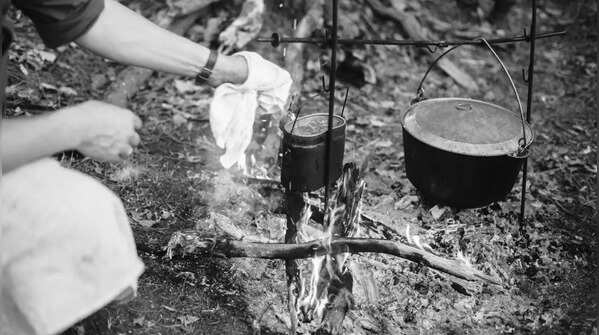
The lesser-known food habits and the logic behind such habits
Wars have been a part of human existence forever and while wars have always been associated with hatred, different ideologies and destruction, food was one common thing between all. Long before modern military rations and ready-to-eat meals became commonplace, soldiers in World War I relied on simple, practical food habits to sustain themselves through some of history's harshest battlefields. From army biscuits to tinned meats, their eating habits were shaped by scarcity, endurance, and necessity. Food was not just about nutrition, it was a crucial morale booster that offered comfort amid the horrors of war. Take a look at the food habits of soldiers during World War I.
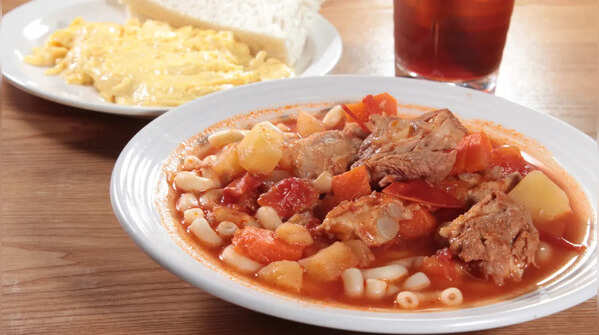
Maconochie stew
According to the Imperial War Museums, by 1918 the British were sending over 67 million lbs (30 million kg) of meat to the Western Front each month. Daily rations were meant to include fresh or frozen meat, but many meals consisted of tinned food, like this ‘Maconochie’ meat and vegetable stew. It is said that these were a familiar aspect of the British soldier’s diet.
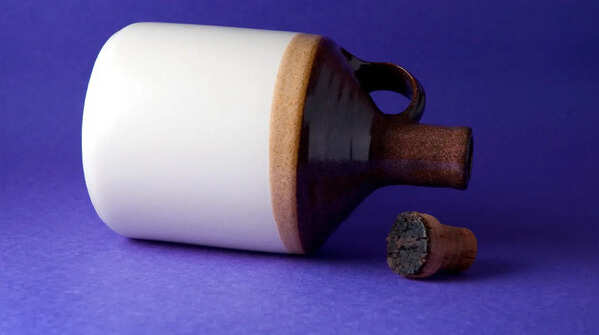
Rum Jar
The museum data also states that the British soldier's daily rum ration could boost morale and help some men cope with the stress of battle. Rum jars were marked with the initials 'S.R.D.' The letters probably stood for 'Supply Reserve Depot,' but soldiers joked that they meant 'Soon Runs Dry,' 'Service Rum Diluted,' or 'Seldom Reaches Destination,' the website mentions.
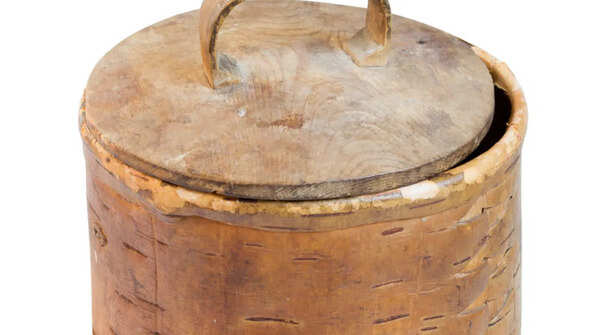
German food container
It is also reported that back in time portable Imperial German food insulated containers were used with a small plaque marked 'Nicht aufs feuer setzen' ('Do not place on a fire') and the maker's name on the side. The data also states that during World War I, the German Army issued food containers that carried hot food to the soldiers in the trenches. They were worn on the back like a rucksack and kept food hot in a similar manner to modern vacuum flasks.
Food supply
It is also reported that dogs were used to supply food to soldiers. They used to wear a special harness on their back, which could hold mess tins filled with food. A rare photo by the museum shows a dog wearing a special harness on its back which can hold mess tins. In the background, a third soldier can be seen pointing his rifle over the top of the trench.
Bakery
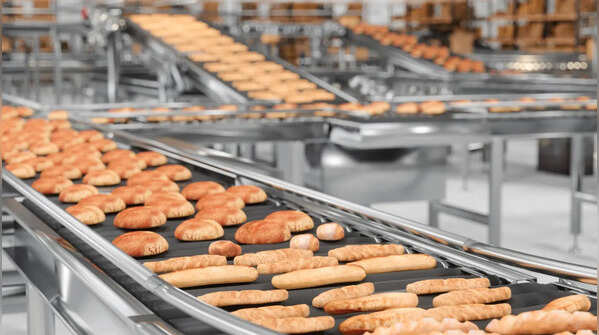
The museum data also reveals that soldiers consumed bread in those times. A rare photograph on the museum website confirms bread being made in a German Army field bakery at Wervicq in Flanders.
Army biscuit
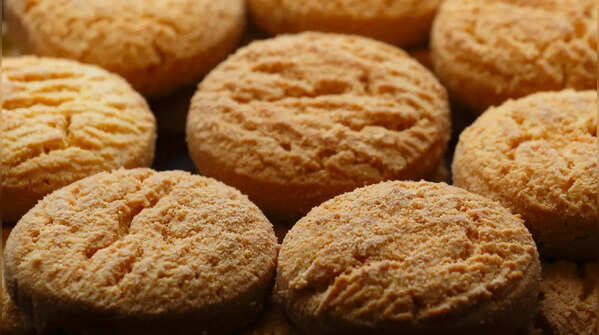
The data also reveals that the British Army issued biscuits as a key component of a soldier's rations. The biscuits were produced under government contract by Huntley & Palmers, which in 1914 was the world's largest biscuit manufacturer. The notoriously hard biscuits could crack teeth if not first soaked in tea or water.
Tea
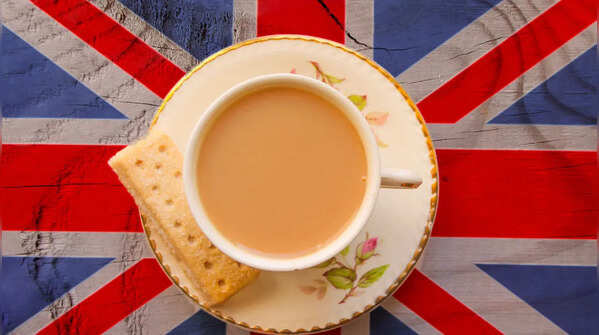
The data by the museum also confirms that tea was also part of the British soldier's rations. It was a familiar comfort and concealed the taste of water, which was often transported to the front line in petrol tins.
Onion
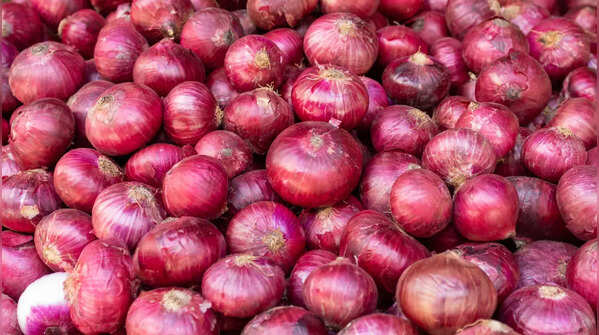
They also used to consume onion during wartime. A rare picture on the museum website features troops loading onions into sacks from a large pile in a storehouse, Calais. The sacks were transported by train.
Potato
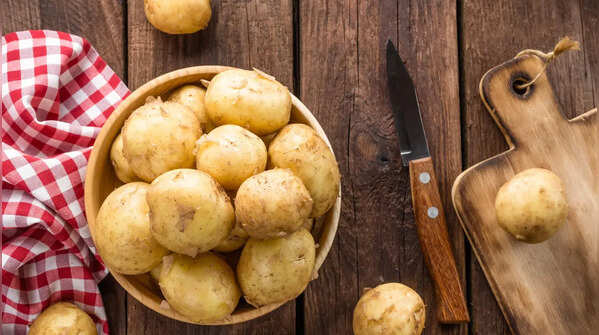
Potatoes were also used for meals as a rich source of carbohydrate. A rare picture by the museum showcases officers issuing potato rations aboard the light cruiser HMS Concord.
Featured In Food

MORE FROM ETIMES
life & style