
8 types of ramen you should know before ordering
8 types of ramen you should know before ordering
Ramen is often mistaken for just another bowl of noodles, quick, comforting, and interchangeable. But step into a proper ramen shop in Japan, and you realise ordering ramen is closer to choosing a personality than picking a dish. The broth, oil, toppings, and even noodle thickness change dramatically from one style to another, shaping an entirely different eating experience. Understanding the main types of ramen doesn’t just make ordering easier; it transforms how you taste the bowl in front of you. Each variety reflects geography, climate, and culinary philosophy, from deeply rich winter broths to light, almost meditative preparations. Here are eight essential types of ramen every diner should know before placing their order.
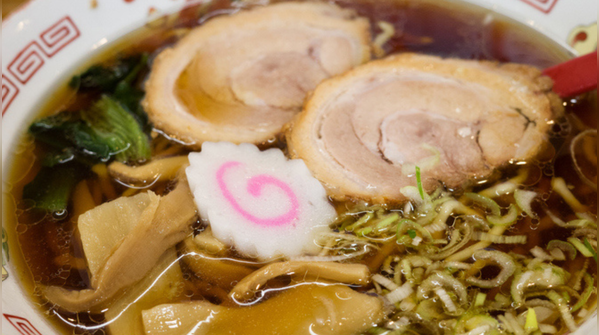
Shoyu ramen
If ramen had a universal reference point, it would be shoyu ramen. Originating in Tokyo, this soy sauce–based ramen is often what people imagine when they think of a traditional bowl. The broth is typically clear brown, made from chicken or pork stock seasoned generously with soy sauce. The flavour leans savoury and aromatic rather than heavy, allowing subtle layers, ginger, garlic, and sometimes seafood notes, to shine through.
Curly medium-thin noodles are common here, paired with sliced chashu pork, bamboo shoots, seaweed, and a soft-boiled egg. It’s balanced, familiar, and deeply comforting without overwhelming richness, making it ideal for first-time ramen eaters.
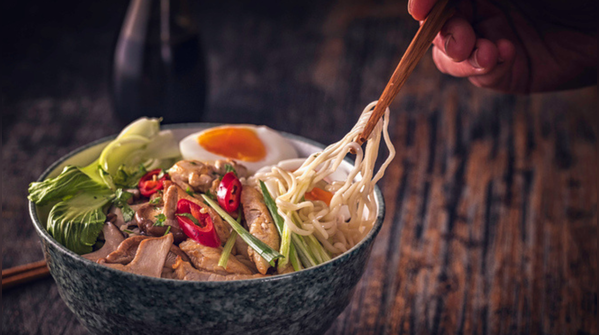
Miso ramen
Born in Hokkaido, Japan’s cold northern island, miso ramen was designed for harsh winters and you can taste that intention immediately. The broth is enriched with fermented soybean paste, creating a cloudy, deeply savoury base with nutty sweetness and noticeable body. Often stir-fried vegetables and minced meat are added directly into the soup, intensifying its warmth and complexity.
Butter, corn, and bean sprouts frequently appear as toppings, giving the bowl a rustic, almost home-style feeling. Compared to lighter ramen styles, miso ramen feels substantial, the kind of meal that satisfies hunger and mood at the same time.
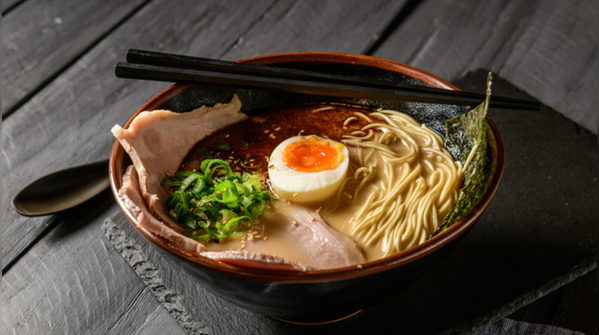
Tonkotsu ramen
Tonkotsu ramen is arguably the most globally famous style, known for its luxuriously creamy broth. Originating in Fukuoka in southern Japan, it is made by boiling pork bones for hours, sometimes more than a day, until collagen and marrow emulsify into a milky white soup.
The flavour is intensely pork-forward, silky, and deeply umami-rich. Thin, straight noodles are typically used because they cook quickly and absorb the dense broth beautifully. Toppings often include chashu pork, wood-ear mushrooms, green onions, and pickled ginger. For many ramen lovers, tonkotsu is a revelation, decadent, immersive, and unapologetically indulgent.
Shio ramen
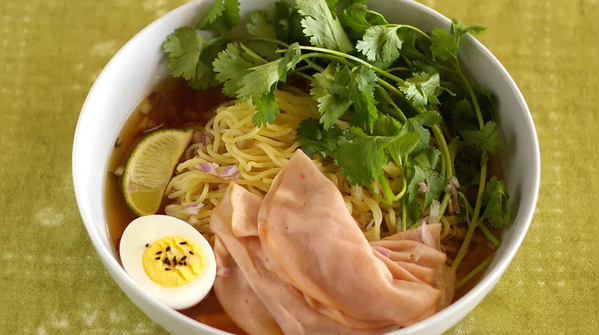
Shio, meaning “salt,” represents one of the oldest ramen styles. At first glance, it may look simple, but its elegance lies in restraint. The broth is pale and clear, seasoned primarily with salt rather than soy or miso. Chicken or seafood stocks are common, creating a clean, almost transparent flavour profile where every ingredient must be perfectly balanced.
Because the seasoning is subtle, shio ramen often feels lighter and more refreshing than other varieties. It’s the bowl people turn to when they want comfort without heaviness, proof that ramen doesn’t always need intensity to be memorable.
Tsukemen
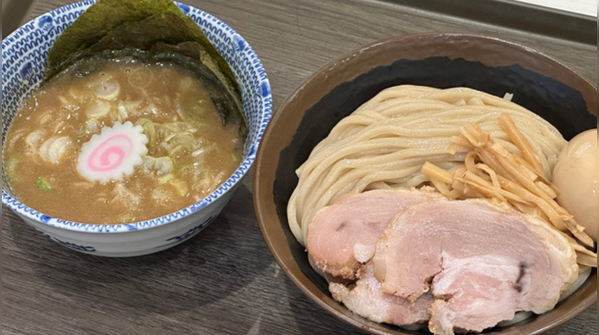
Tsukemen changes the ramen experience entirely. Instead of noodles swimming in broth, the noodles and soup arrive separately. The noodles are thicker and served cold or at room temperature, while the dipping broth is intensely concentrated, richer, saltier, and more powerful than standard ramen soup. Diners dip each bite before eating, controlling how much flavour coats the noodles.
The broth itself is often simmered longer than regular ramen stock, creating deeper umami through pork bones, seafood, or soy-based reductions. Because it is meant for dipping rather than sipping, the flavours are deliberately bold, ensuring each coated strand delivers a balanced yet intense taste experience.
This interactive style highlights noodle texture more than any other ramen variety. It’s especially popular during warmer months, offering satisfaction without the weight of a steaming bowl.
Hakata ramen
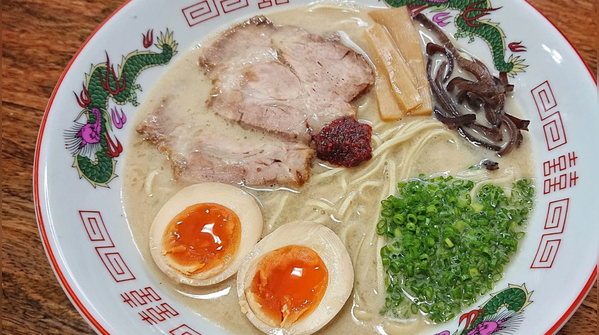
Often confused with tonkotsu, Hakata ramen is actually a regional expression of it. Named after a district in Fukuoka, this style focuses on ultra-thin, straight noodles designed to be eaten quickly before they soften.
The broth remains creamy pork-based, but the experience is quicker and more casual. Many shops offer kaedama, extra noodle refills added directly into the remaining soup, allowing diners to extend their meal without wasting broth. Its simplicity and speed make Hakata ramen a favourite among locals looking for an efficient yet deeply satisfying meal.
Kitakata ramen
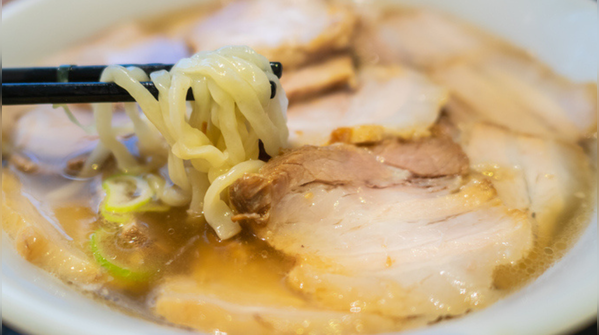
From Fukushima Prefecture comes Kitakata ramen, often described as one of Japan’s soul foods. The defining feature here is the noodle itself, thick, flat, and slightly curly, offering a chewy, almost handmade texture.
The broth is typically soy-based but lighter than Tokyo-style shoyu, balancing pork and dried sardine flavours. The result feels gentle and nostalgic, like something designed for everyday eating rather than dramatic impact. Many Japanese people associate Kitakata ramen with morning ramen culture, where locals enjoy a warm bowl as breakfast, a testament to its comforting simplicity.
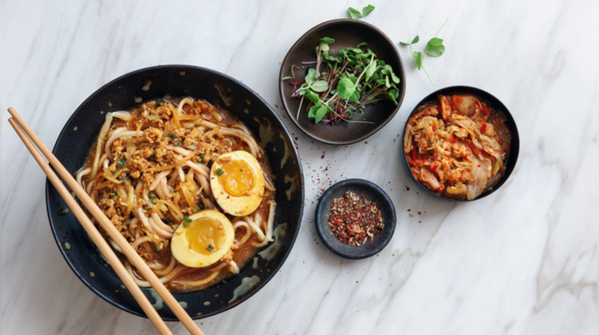
Tantanmen
Inspired by Chinese Sichuan dan dan noodles, tantanmen introduces heat and nuttiness into the ramen world. The broth combines sesame paste, chilli oil, and minced meat, creating a creamy yet spicy soup layered with fragrance.
Unlike traditional Japanese ramen, this style leans bold and modern, appealing to diners who enjoy spice-forward dishes. The richness of sesame balances the chilli heat, making it addictive rather than overwhelming. Tantanmen represents ramen’s evolution, proof that the dish continues to adapt while respecting its roots.
Featured In Food

