Trending
8 Low-carb rice alternatives for effective weight loss
The article highlighted low-carb alternatives for rice to help individuals manage weight and blood sugar levels. Options such as cauliflower rice, Shirataki rice, zucchini rice, cabbage rice, broccoli rice, riced turnips, Konjac rice, and celery root rice were discussed for their nutritional benefits and various culinary uses.

Trying to lose weight or manage blood sugar levels, cutting down on carbohydrates is often a key strategy. Traditional rice, while nutritious, is high in carbohydrates, which can hinder weight loss and affect blood sugar control. There are several low-carb alternatives that can help you achieve your health goals without sacrificing flavor or texture. Here’s a look at eight effective low-carb rice alternatives to include in your weight-loss plan.
Black Rice
Black rice, also known as forbidden rice, is a whole grain with a deep, rich color and nutty flavor. Although not as low in carbs as some other alternatives, it offers numerous health benefits.
Unique Aspect: Black rice is rich in anthocyanins, powerful antioxidants that give it its dark color and contribute to heart health and reduced inflammation.
Nutritional Profile: A cup of cooked black rice contains about 34 grams of carbs, but it is also high in fiber, iron, and vitamins.
Usage Tips: Use black rice in salads, stir-fries, or as a side dish to add a striking color and a nutritional boost to your meals.

Quinoa
Quinoa is often celebrated as a superfood due to its high protein content and complete amino acid profile. While it is not extremely low in carbs, it offers better nutritional benefits compared to traditional rice.
Unique Aspect: Quinoa is a complete protein, meaning it contains all nine essential amino acids, which is rare for plant-based foods.
Nutritional Profile: One cup of cooked quinoa has about 39 grams of carbs but is also rich in protein, fiber, and essential minerals like magnesium and iron.
Usage Tips: Use quinoa as a base for salads, as a side dish, or in place of rice in various recipes to enhance protein intake and overall nutrition.
Millets
Millets are a group of small-seed cereal grains that are low in carbohydrates and high in nutrients. Varieties include pearl millet, finger millet, and foxtail millet.
Unique Aspect: Millets are highly versatile and can be used in both savory and sweet dishes. They are also gluten-free, making them suitable for those with gluten sensitivities.
Nutritional Profile: Millets typically contain around 20-30 grams of carbs per cup of cooked grain, but they are rich in fiber, protein, and essential vitamins and minerals.
Usage Tips: Cook millets as a side dish, use them in soups, or mix them into salads for a nutritious and low-carb alternative to traditional rice.
Barley
Barley is a nutrient-dense grain with a chewy texture and nutty flavor. It’s not extremely low in carbs but offers substantial health benefits.
Unique Aspect: Barley is known for its high soluble fiber content, particularly beta-glucan, which helps lower cholesterol levels and improve heart health.
Nutritional Profile: A cup of cooked barley contains about 44 grams of carbs but is also high in fiber, vitamins, and minerals.
Usage Tips: Use barley in soups, stews, or as a side dish. Its hearty texture makes it an excellent substitute for rice in many recipes.
Oats
Oats are a popular breakfast choice and can also serve as a low-carb rice alternative in some dishes.
Unique Aspect: Oats contain soluble fiber, which helps regulate blood sugar levels and promotes a feeling of fullness.
Nutritional Profile: One cup of cooked oats contains approximately 27 grams of carbs. They are rich in beta-glucan fiber, which supports heart health and digestion.
Usage Tips: Use oats in savory dishes such as oat risotto or as a base for pilafs. They can also be incorporated into soups or used in baking for a unique twist.
Red Rice
Red rice is a type of whole grain rice that has a reddish-brown color due to its high anthocyanin content.
Unique Aspect: The red pigment in red rice provides antioxidant properties, which help fight inflammation and oxidative stress.
Nutritional Profile: A cup of cooked red rice contains about 45 grams of carbs but is high in fiber, iron, and B vitamins.
Usage Tips: Use red rice as a flavorful base for salads, bowls, or as a side dish to add a pop of color and nutrition.
Chia Seeds
Chia seeds can be used as a rice alternative in a unique way, often as a component in puddings or as a thickening agent in dishes.
Unique Aspect: Chia seeds are extremely low in carbs and high in omega-3 fatty acids, fiber, and protein.
Nutritional Profile: Two tablespoons of chia seeds contain about 12 grams of carbs, but 11 grams are fiber, which is beneficial for digestive health.
Usage Tips: Use chia seeds in puddings, smoothies, or as a topping for salads to add texture and nutritional benefits.
Riced Butternut Squash
Riced butternut squash is made by processing butternut squash into small, rice-sized pieces. It’s a low-carb option with a slightly sweet flavor.
Unique Aspect: Butternut squash provides a natural sweetness and a rich, creamy texture when cooked.
Nutritional Profile: A cup of riced butternut squash has about 16 grams of carbs and is rich in vitamins A and C, potassium, and fiber.
Usage Tips: Sauté riced butternut squash as a side dish, use it in soups, or mix it into casseroles for a low-carb and nutrient-rich alternative.
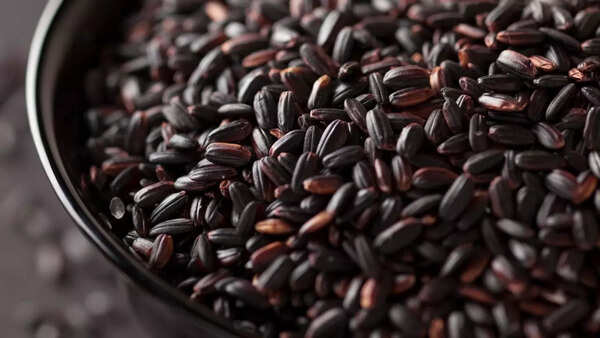
Black Rice
Black rice, also known as forbidden rice, is a whole grain with a deep, rich color and nutty flavor. Although not as low in carbs as some other alternatives, it offers numerous health benefits.
Unique Aspect: Black rice is rich in anthocyanins, powerful antioxidants that give it its dark color and contribute to heart health and reduced inflammation.
Nutritional Profile: A cup of cooked black rice contains about 34 grams of carbs, but it is also high in fiber, iron, and vitamins.
Usage Tips: Use black rice in salads, stir-fries, or as a side dish to add a striking color and a nutritional boost to your meals.
Quinoa
Quinoa is often celebrated as a superfood due to its high protein content and complete amino acid profile. While it is not extremely low in carbs, it offers better nutritional benefits compared to traditional rice.
Unique Aspect: Quinoa is a complete protein, meaning it contains all nine essential amino acids, which is rare for plant-based foods.
Nutritional Profile: One cup of cooked quinoa has about 39 grams of carbs but is also rich in protein, fiber, and essential minerals like magnesium and iron.
Usage Tips: Use quinoa as a base for salads, as a side dish, or in place of rice in various recipes to enhance protein intake and overall nutrition.
Millets
Millets are a group of small-seed cereal grains that are low in carbohydrates and high in nutrients. Varieties include pearl millet, finger millet, and foxtail millet.
Unique Aspect: Millets are highly versatile and can be used in both savory and sweet dishes. They are also gluten-free, making them suitable for those with gluten sensitivities.
Nutritional Profile: Millets typically contain around 20-30 grams of carbs per cup of cooked grain, but they are rich in fiber, protein, and essential vitamins and minerals.
Usage Tips: Cook millets as a side dish, use them in soups, or mix them into salads for a nutritious and low-carb alternative to traditional rice.
Barley
Barley is a nutrient-dense grain with a chewy texture and nutty flavor. It’s not extremely low in carbs but offers substantial health benefits.
Unique Aspect: Barley is known for its high soluble fiber content, particularly beta-glucan, which helps lower cholesterol levels and improve heart health.
Nutritional Profile: A cup of cooked barley contains about 44 grams of carbs but is also high in fiber, vitamins, and minerals.
Usage Tips: Use barley in soups, stews, or as a side dish. Its hearty texture makes it an excellent substitute for rice in many recipes.
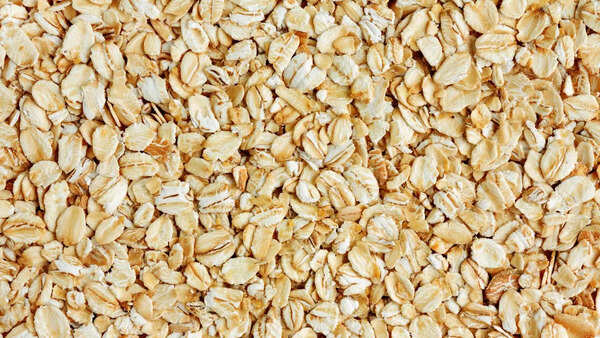
Oats
Oats are a popular breakfast choice and can also serve as a low-carb rice alternative in some dishes.
Unique Aspect: Oats contain soluble fiber, which helps regulate blood sugar levels and promotes a feeling of fullness.
Nutritional Profile: One cup of cooked oats contains approximately 27 grams of carbs. They are rich in beta-glucan fiber, which supports heart health and digestion.
Usage Tips: Use oats in savory dishes such as oat risotto or as a base for pilafs. They can also be incorporated into soups or used in baking for a unique twist.
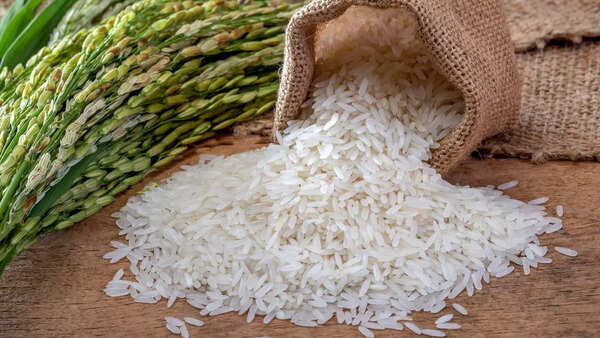
Red Rice
Red rice is a type of whole grain rice that has a reddish-brown color due to its high anthocyanin content.
Unique Aspect: The red pigment in red rice provides antioxidant properties, which help fight inflammation and oxidative stress.
Nutritional Profile: A cup of cooked red rice contains about 45 grams of carbs but is high in fiber, iron, and B vitamins.
Usage Tips: Use red rice as a flavorful base for salads, bowls, or as a side dish to add a pop of color and nutrition.
Chia Seeds
Chia seeds can be used as a rice alternative in a unique way, often as a component in puddings or as a thickening agent in dishes.
Unique Aspect: Chia seeds are extremely low in carbs and high in omega-3 fatty acids, fiber, and protein.
Nutritional Profile: Two tablespoons of chia seeds contain about 12 grams of carbs, but 11 grams are fiber, which is beneficial for digestive health.
Usage Tips: Use chia seeds in puddings, smoothies, or as a topping for salads to add texture and nutritional benefits.
Riced Butternut Squash
Riced butternut squash is made by processing butternut squash into small, rice-sized pieces. It’s a low-carb option with a slightly sweet flavor.
Unique Aspect: Butternut squash provides a natural sweetness and a rich, creamy texture when cooked.
Nutritional Profile: A cup of riced butternut squash has about 16 grams of carbs and is rich in vitamins A and C, potassium, and fiber.
Usage Tips: Sauté riced butternut squash as a side dish, use it in soups, or mix it into casseroles for a low-carb and nutrient-rich alternative.

About the Author
TOI Lifestyle DeskEnd of Article
FOLLOW US ON SOCIAL MEDIA
Visual Stories









Photostories
Featured In Food
Popular Categories
Entertainment NewsBollywood NewsTollywood NewsKollywood NewsMollywood NewsMovie ReviewsLatest Hindi MoviesLatest Tamil MoviesMX PlayerParenting TipsHome RemediesWeight LossBeauty TipsParenting TipsHindi VideosHindi Video SongsBhojpuri Music VideosLatest Telugu MoviesBhojpuri Music VideoHindi TV News
Trending in Entertainment
Latest MoviesBollywood MoviesHollywood MoviesTamil Movies 2024Telugu Movies 2024Malayalam Movies 2024Kannada Movies 2024Marathi Movies 2024Bengali Movies 2024Top Rated Movies 2024Best Hindi MoviesBest English MoviesBest Telugu MoviesBest Tamil MoviesBest Malayalam MoviesBest Kannada MoviesBest Bengali MoviesUpcoming Hindi MoviesBest Movies Of All TimeBest Hindi Movies of All Time
Trending in Etimes
Horoscope TodayNumerology Predictions TodayKamala HarrisRobert F Kennedy JrBarron TrumpElon MuskAnna Paulina LunaJustin TrudeauTrump Town Hall Key TakeawaysInternational Day of PeaceDonald TrumpSNL 50 SeasonKamala HarrisSituationship TipsUsha UthupRelationship TipsSean Diddy CombsAlzheimers DiseaseJennifer Lopez
Trending in TV
Trending in Lifestyle
Trending in Regional
Movie Reviews
Yudhra ReviewJo Tera Hai Woh Mera Hai ReviewKahan Shuru Kahan Khatam ReviewHis Three Daughters ReviewNever Let Go ReviewDancing Village: The Curse Begins ReviewTransformers One ReviewFirst Love ReviewBerlin ReviewThe Buckingham Murders ReviewSpeak No Evil ReviewVisfot ReviewThalapathy Is The G.O.A.T ReviewRebel Ridge Review
Upcoming Hindi Movies
Upcoming Regional Movies
Latest News
CG Vyapam admit cards released for HELT24 and FF124 exams at vyapam.cgstate.gov.in: Direct link to download hereSEBI fines Anil Ambani’s son Rs1cr for loan approvals without 'due diligence'Swara Bhasker-Fahad Ahmad's daughter Raabiyaa turns one; see how the doting parents celebrated the special day with cake, balloons and moreTest | War 2: Hrithik Roshan, Kiara Advani's romantic chemistry grabs attention in viral picsFamily kills rape survivor, frames 'rapist' out on bailEC to have 'zero tolerance' towards use of money power in Jharkhand assembly pollsThrowback: When Parineeti Chopra shined in yellow during her joyful haldi ceremony celebrationsAPPG pushes for Ayurveda integration in UK’s healthcare systemBorder Gavaskar Trophy: When Steve Smith had a 'brain fade' moment against IndiaICAI CA Final Exam for Nov 2024 postponed due to Diwali, new exam date announced: Check official notice hereEpic Last 'Monster' Standing match and more exciting matches announced for WWE RAW (9/30)Best Time To Upgrade To 4G & 5G Tablets: Lightning-Fast Performance At Unbeatable PricesEssential tips for building and maintaining a happy marriageWhen and where to watch England vs Australia 3rd ODI: Date, time, venue, squad, broadcast detailsThe Luckiest Zodiac Signs: Who's Got the Midas Touch?BJP plans protests over reopening of ‘old cases’When Remo D'Souza opened up about his heart attack and revealed how Salman Khan stayed in constant touch with his wife over the phoneWB ANM, GNM result 2024 out: Direct link to download rank card here
Other Group Sites -
ETimes is an Entertainment, TV & Lifestyle industrys promotional website and carries advertorials and native advertising.