
8 desi vegetables that are actually foreign
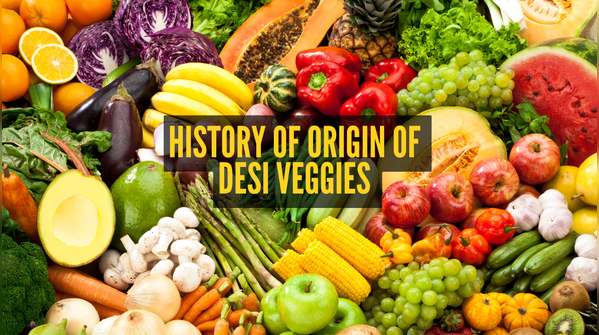
Indian veggies: True culinary melting pot
Indian cuisine celebrates veggies from all seasons and all regions. If you visit any Indian kitchen, you will find a basket full of seasonal veggies. However, many of us don’t realise that several of these everyday vegetables are actually foreign imports that arrived in India centuries ago through trade, exploration, and colonisation. Yes, you read it right. Here's a detailed narration of eight such vegetables and how they arrived in India.
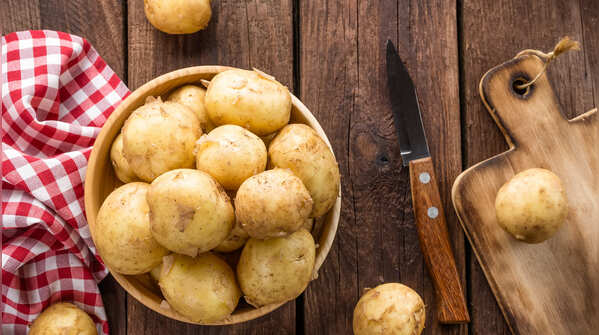
Potato (Aloo)
This is very hard for any Indian to believe, but the truth is the potato is not Indian. Whether it’s aloo paratha, dum aloo, or samosas, this humble vegetable is everywhere. As we traced its origin, it took us to the Andes region of South America—particularly modern-day Peru and Bolivia, where it originated. According to experts, potatoes were brought to India by Portuguese traders in the 17th century. And thanks to their adaptability and versatility, they quickly became an Indian staple.
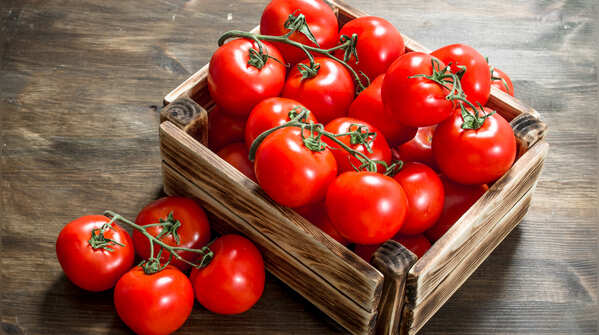
Tomato (Tamatar)
It can be called the perfect tangy import, as it also came from South America. While they are an integral part of Indian curries and salads, they are not Indian and gradually found acceptance in Indian kitchens during the colonial era. Today, they form the base of endless curries, chutneys, and sauces that are part of daily Indian meals.
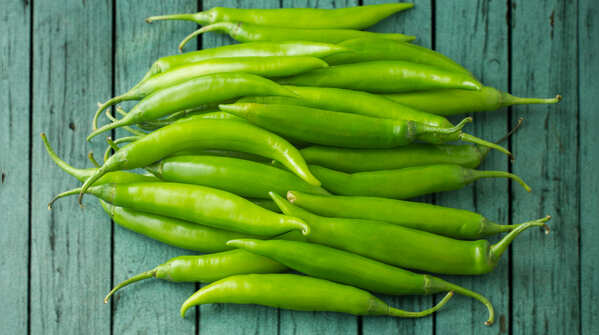
Chilli (Mirch)
You will be surprised to know that the fiery heat which is an integral part of Indian food is also not Indian. Chillies were introduced to India by the Portuguese from the Americas and quickly gained popularity due to their strong flavour and ease of cultivation. And today, we are one of the largest producers and consumers of chillies.
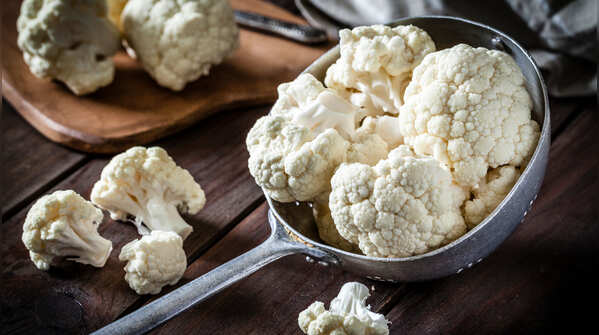
Cauliflower (Gobhi)
This is a pure colonial addition to the Indian food scene, which traced its roots to the Mediterranean region. According to food experts, gobhi was introduced to India during British rule and became particularly popular in North India due to its compatibility with the local climate. And with time, it became a winter staple and is mostly consumed in the form of aloo gobhi, gobhi paratha, and gobhi bhujiya.
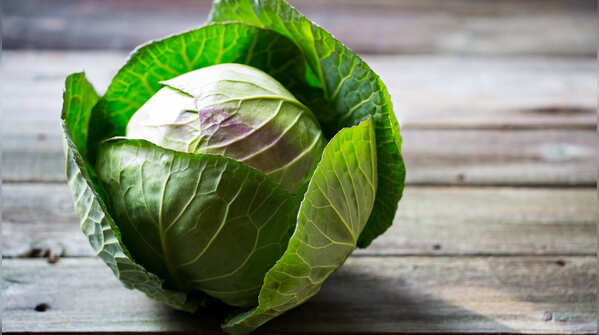
Cabbage (Patta Gobhi)
This is also not Indian in origin and is said to be a European vegetable that made its way to India through colonial influence. Today, it is one of the Indian veggies used in making patta gobhi sabzi, salads, pakodas and even desi rolls.
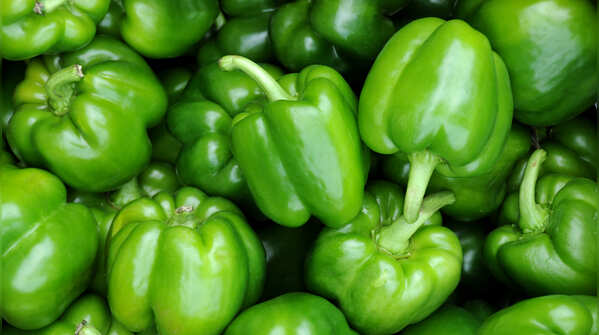
Capsicum (Shimla Mirch)
If you are wondering that its name has any remote connection to Shimla, you are wrong. It is originally from Central and South America, and was introduced to India by European traders. From pulao and poha to bhujiya, it is used in almost every Indian savoury dish.
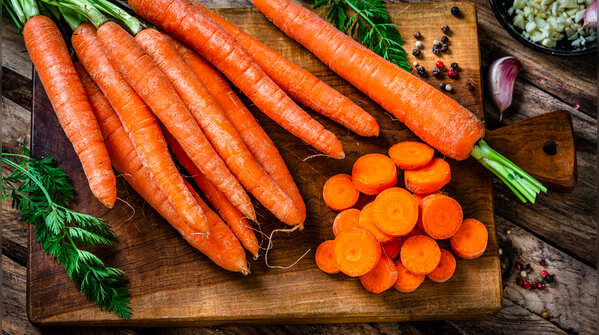
Carrot (Gajar)
This one is said to have the most complex history. It is said that while wild carrots originated in Persia, the bright orange ones were developed in Europe and later they were introduced to India, becoming popular in the form of aloo matar gajar and gajar ka halwa.
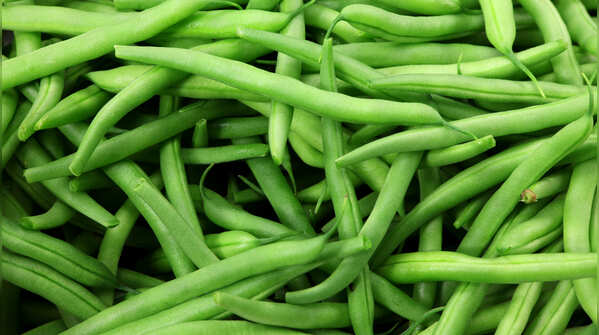
French Beans
Yes, these are as foreign as their name is and are said to be native to Central and South America. They were introduced to India through trade routes and adapted well to local agriculture. And slowly they became a part of pulao, bhujiya poriyal and more.
Images Courtesy: istock
Featured In Food

MORE FROM ETIMES
life & style