
8 oldest restaurants in India that still serve history on a plate
8 oldest restaurants in india that still serve history on a plate
India’s oldest restaurants are not relics. They are functioning kitchens that have quietly outlasted food trends, technology, and changing eating habits. Long before delivery apps, digital menus, or viral dishes, these places fed students, traders, artists, commuters, and families, day after day. Their importance is not just about age but about reliability. Recipes stayed steady. Kitchens stayed busy. These places are known for their taste, and iconic dishes. Trust was built slowly, meal by meal. These seven restaurants continue to serve food shaped by memory, repetition, and a commitment to doing the same things well, year after year.
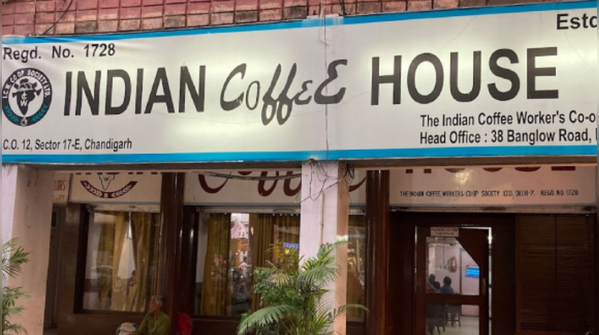
Indian Coffee House
Founded in 1876
Indian Coffee House is less a café and more a cultural institution. With its bentwood chairs, white-clad waiters, and endlessly debated cups of coffee, it became a meeting ground for writers, students, revolutionaries, and academics. Conversations here mattered as much as food. The menu is modest, cutlets, omelettes, filter coffee but its strength lies in familiarity. This is where ideas brewed alongside caffeine, and still do. They also offer a wide range of popular coffee drinks that are worth a try.
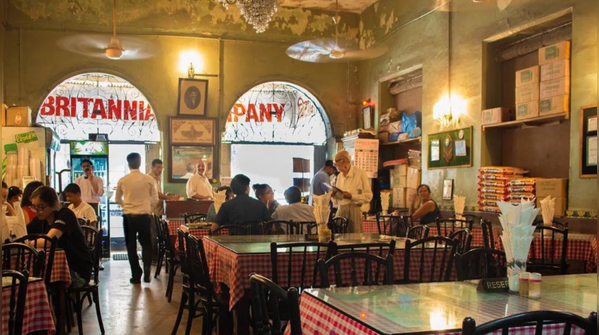
Britannia & Co.
Established in 1923
Tucked near Mumbai’s historic docks, Britannia & Co. carries the quiet dignity of the Parsi community it represents. Known for berry pulao, caramel custard, and old-school Irani hospitality, the restaurant feels resistant to haste. Orders are taken slowly, opinions are offered freely, and time bends politely. It has survived economic upheavals, shifting food trends, and generational change - without altering its voice.
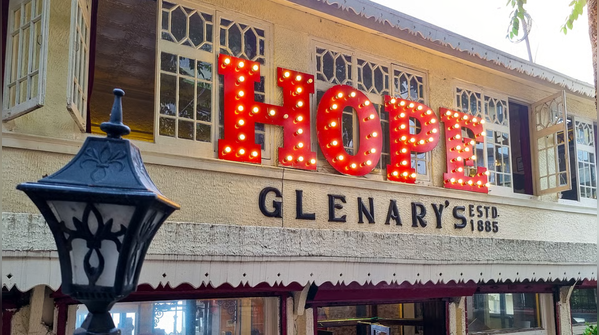
Glenary’s
Opened in 1911
Glenary’s was established in 1911 in Darjeeling and began as a bakery serving European-style breads and pastries. Over time, it expanded into a full-service restaurant and tea room. Located on Nehru Road, it remains known for its bakery products, desserts, and continental-style dishes. Glenary’s continues to operate from its original building and remains one of Darjeeling’s longest-running food establishments, serving both locals and tourists year-round.
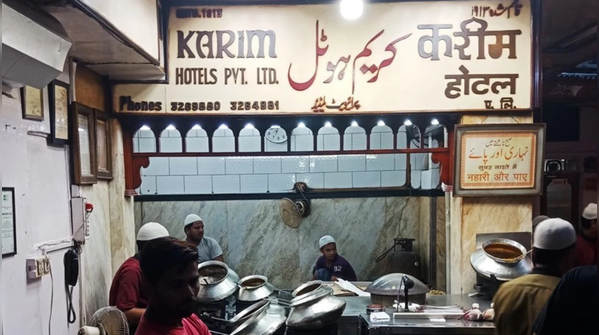
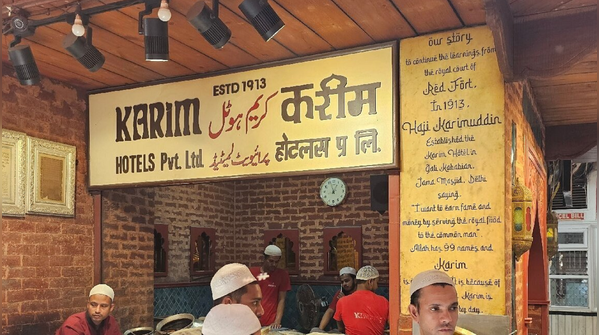
Karim’s
Tracing roots to 1913
Karim’s was born from Mughal kitchens and built for the people. Located near Jama Masjid, it has served generations with dishes that don’t apologise for richness, nihari, korma, kebabs - food meant to sustain and satisfy. Its power lies in consistency. The flavours haven’t softened for modern tastes. They remain unapologetically bold, grounded in tradition rather than trend. They are known for their butter chicken the most. They are also known for their butter chicken, a classic, orange gravy with velvety texture, that is a must-try.
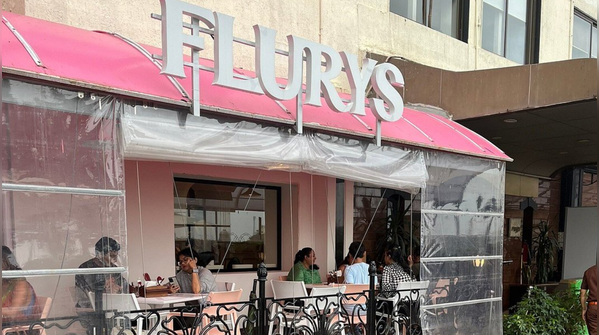
Flurys
Since 1927
Flurys brought European patisserie culture to India long before brunch became fashionable. It became a Park Street landmark where birthdays, dates, and quiet afternoons unfolded over pastries and tea. Despite evolving menus, the essence remains: precision, elegance, and restraint. Flurys survives not by nostalgia alone, but by maintaining standards that customers still trust.
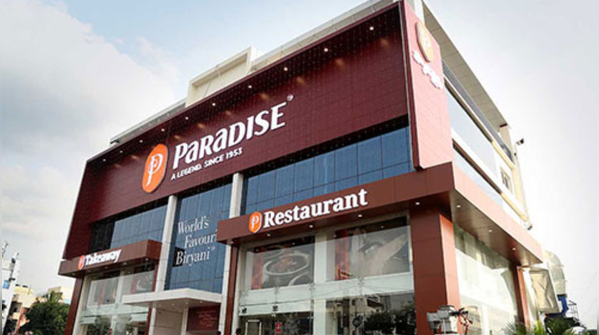
Paradise
Founded in 1953
Paradise is inseparable from biryani conversations in India. What started as a modest café transformed into a culinary reference point for Hyderabadi biryani. Its rise mirrors India’s post-independence food identity, rooted in regional pride, amplified nationally. Even today, its biryani isn’t about reinvention. It’s about consistency at scale, a rare achievement, one built on disciplined kitchens, loyal patrons, unchanged recipes, and a flavour profile that resists trends while remaining instantly recognisable across cities and decades, sustaining trust, memory, and expectation with every familiar, carefully layered spoonful, proof that endurance in food often comes not from novelty, but from repetition done with precision.
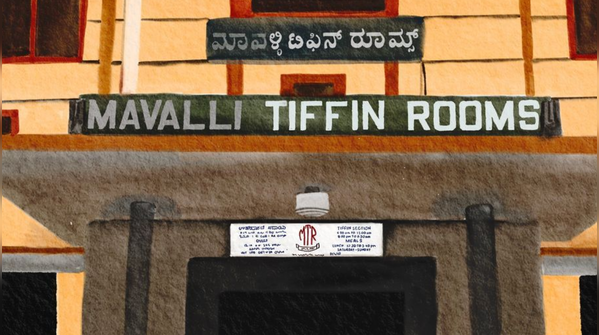
Mavalli Tiffin Room (MTR)
Established in 1924
MTR represents South Indian food at its most disciplined. Born during colonial restrictions, it shaped breakfast culture through precision, measured ghee, fermented batters, and controlled spice. Its rava idli has a wartime origin story, but its popularity is timeless. MTR proves that simplicity, when respected, can last a century, quietly standardising taste, ritual, and reliability across generations, without spectacle, shortcuts, or the need to reinvent what already works. In an age obsessed with novelty, MTR stands as proof that restraint, consistency, and respect for process can build trust that outlives trends, technology, and changing appetites. It reminds diners that longevity in food comes not from constant reinvention, but from discipline repeated daily, unchanged, and done right. Every plate reinforces memory: breakfast eaten standing, queues that move with patience, flavours that arrive exactly as expected. That predictability is not dullness, it is comfort, earned slowly and protected deliberately over time. It demonstrates how institutions survive by serving people before hype, preserving trust through routine, restraint, and repetition, even as cities, tastes, and generations shift around them.
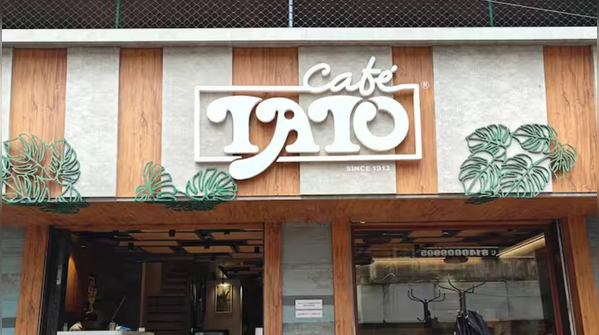
Cafe Tato
Since 1913
Cafe Tato began as a modest Hindu Upahar Griha and gradually became one of Madgaon’s most recognisable food institutions. For over a century, it has anchored Goan mornings with puri, sukhi bhaji, buns, and alsande bhaji, food meant for routine, not occasion. What defines Tato is continuity. The menu hasn’t chased trends, portions haven’t inflated, and flavours remain rooted in everyday Goan habits. It survives not as a heritage showcase, but as a living café, shaped by repetition, memory, and generations who return for the same plate, prepared the same way, every day. They serve one of the best foods in town.
Featured In Food

MORE FROM ETIMES
life & style