
7 foods that become more delicious when fermented

7 foods that become more delicious when fermented
Fermentation is a time-tested method that transforms everyday ingredients while improving their nutritional value. As foods ferment, beneficial bacteria break down sugars and starches, creating tangy flavours and complex aromas. The process can support gut health through natural probiotics, make certain nutrients easier for the body to absorb, and help preserve foods for longer without artificial additives. Here are seven foods that often taste better after fermentation, along with simple ways to make them at home...

Cabbage becomes sauerkraut
Raw cabbage is crisp and mild. Fermented, it turns bright, sour and addictive. To make it, shred cabbage, mix it with salt, and massage it until it releases liquid. Pack it tightly into a clean jar so the cabbage stays under its own brine. Leave it at cool room temperature for several days to two weeks, opening it carefully once a day if needed. When it tastes tangy enough, move it to the fridge. It is excellent on toast, rice or alongside roast potatoes.

Cucumbers become pickles
Fresh cucumbers are refreshing, but fermentation gives them a grassy crunch and a deeper, more interesting bite. Use firm cucumbers, garlic, dill, salt and water. Dissolve salt in water to make a brine, pour it over the cucumbers in a jar, and make sure everything stays submerged. Leave them to ferment for a few days to a week. The longer they sit, the more sour they become. The result is less sugary than vinegar pickles and often far more layered in flavor.
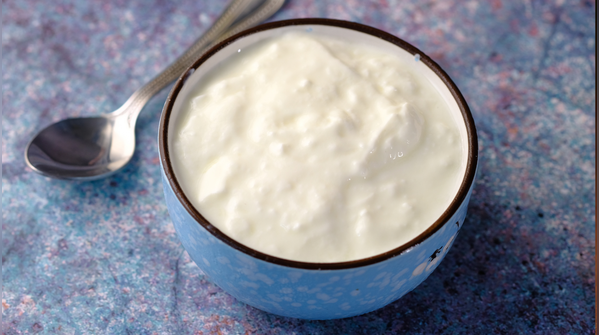
Milk becomes yogurt
Milk on its own is simple; fermented into yogurt, it becomes creamy, tangy and comforting. Warm the milk until just hot, cool it slightly, then stir in a spoonful of plain yogurt as the starter culture. Keep the mixture in a warm place for several hours until it sets. The texture becomes thicker and the flavor develops a gentle acidity. Spoon it over fruit, swirl it into curries or eat it with honey. Even a plain bowl of yogurt can taste like a small luxury.

Soybeans become miso
Soybeans are hearty, but fermentation gives them a savoury depth that has made miso a staple for centuries. Traditional miso takes time and care, but the basic idea is simple: cook soybeans until soft, mash them, mix them with salt and koji, then pack the paste into a clean container. Let it age in a cool place for weeks or months. The longer it ferments, the richer and more complex it becomes. A little miso can transform soup, dressings and marinades almost instantly.

Rice and lentils become idli or dosa batter
In South Indian kitchens, fermentation is a quiet act of genius. Rice and lentils, soaked and ground together, are left to ferment overnight or longer, depending on the weather. The batter rises, grows airy and gains a gentle tang. For idli, steam the batter in molds. For dosa, spread it thin on a hot pan. The fermentation does not just improve flavor; it creates the soft, spongy or crisp texture that makes these dishes so loved.
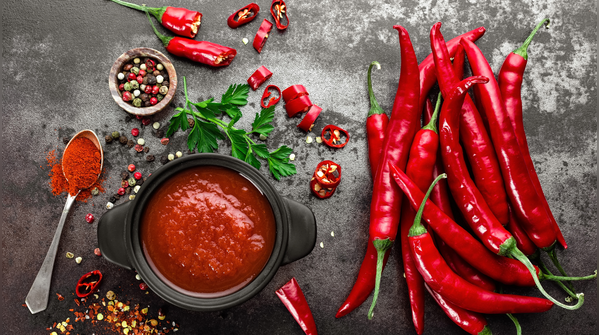
Chilli peppers become hot sauce
Fresh chillies bring fire, but fermentation adds dimension. To make a simple fermented hot sauce, pack chopped chillies, garlic and salt into a jar, then cover with brine. Let the mixture sit for one to two weeks, allowing bubbles to form and the flavors to mellow and deepen. Once fermented, blend it smooth and strain if you like. The result is heat with personality: sour, salty, fragrant and far more interesting than raw chili alone.
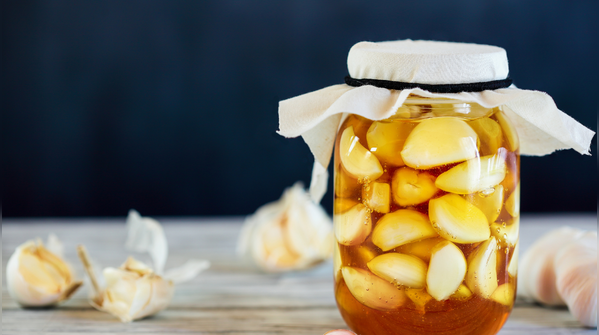
Garlic becomes mellow and sweet
Raw garlic is sharp and assertive. Fermented garlic softens into something altogether different, pungent, yes, but also sweet, dark and almost balsamic. A simple way to try it is with garlic cloves in a salt brine, left to ferment for several weeks. The cloves darken and the flavor turns rounder and less aggressive. Add it to salad dressings, mashed potatoes or toast. It keeps the soul of garlic, but with the edges sanded down.
Featured In Food

MORE FROM ETIMES
life & style