
7 delicious snail dishes you need to try at least once
7 delicious snail dishes you need to try at least once
Snails are one of those foods that live at the edge of curiosity and tradition. For some diners, they sound adventurous. For others, they are simply a beloved classic, served with butter, herbs, spice, or sauce depending on where you are in the world. But across cuisines, one thing stays constant: when cooked well, snails are less about shock value and more about texture, flavour, and the patient art of building something deeply satisfying from a humble ingredient. They are tender, faintly earthy, and wonderfully absorbent, which is why they work so well with garlic, wine, chilli, coconut, broth, and bold aromatics. In the right hands, snails become a dish that feels rustic and refined at the same time. Here are seven versions worth knowing, not just for their novelty, but for the culinary traditions they carry.
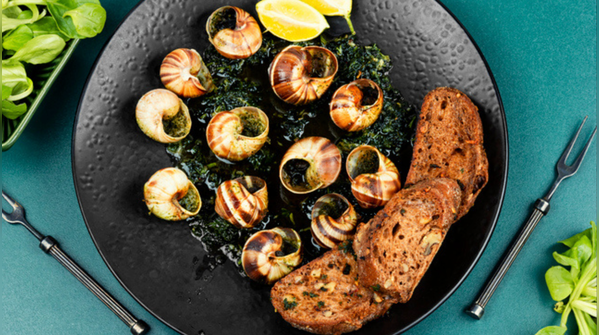
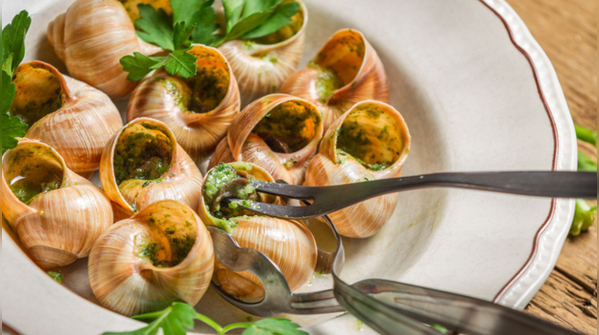
Escargots de Bourgogne
This is the dish most people think of first when snails are mentioned. A French classic, escargots de Bourgogne usually features snails baked in their shells with garlic, parsley, and plenty of butter. The appeal lies in its simplicity. The butter melts into the shell, the herbs perfume every bite, and the snail itself turns rich and almost silky.
What makes this dish iconic is not just flavour, but ritual. It is often served as a starter, and eating it with the right tongs and fork is part of the experience. It is indulgent, old-world, and unmistakably French.
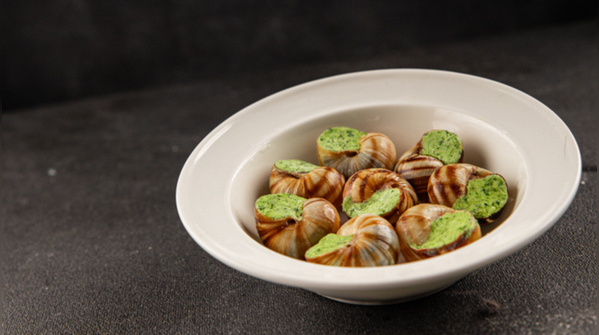
Snails in garlic and herb butter
Closely related to the French classic, this preparation is more flexible and appears in many kitchens outside France. Here, the snails are cooked in a pan or oven dish with garlic, parsley, shallots, butter, and sometimes a splash of white wine or lemon. The result is fragrant, glossy, and rich without feeling heavy.
This version is especially good for first-timers because it softens the unfamiliarity of snails behind flavours that are instantly recognisable. Garlic does a lot of the heavy lifting here, and it does it beautifully.
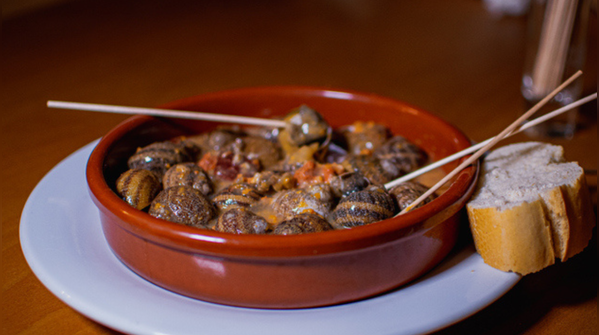
Snail stew
In parts of West Africa and other regions where snails are eaten regularly, snail stew is a deeply cherished dish rather than a novelty. It is often cooked with tomatoes, peppers, onions, spices, and sometimes leafy greens or palm oil. The sauce is usually the star, robust and layered, with the snail adding a distinctive chewy tenderness.
This is the kind of dish that proves snails do not belong only to fine dining. In stew form, they are hearty, comforting, and built for a bowl of rice, yam, or fufu. It is food with backbone.
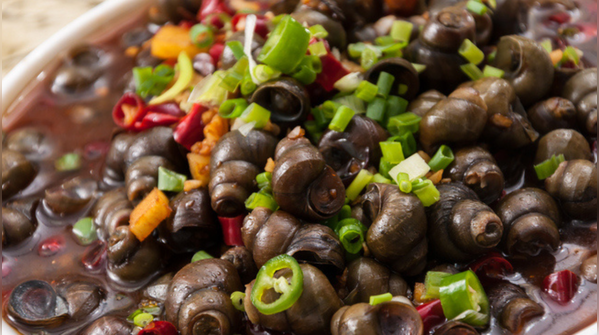
Spicy snail curry
Snails also take beautifully to curry. In tropical and coastal cuisines, they are often simmered in spice-heavy gravies with ginger, garlic, curry leaves, chillies, coconut milk, or tomato. The snail holds its own against assertive seasoning, which is exactly why it works.
A good snail curry is not timid. It is bold, aromatic, and deeply savoury, with the sauce clinging to each piece. The texture of the snail contrasts nicely with the softness of the gravy, making every bite feel full and substantial.
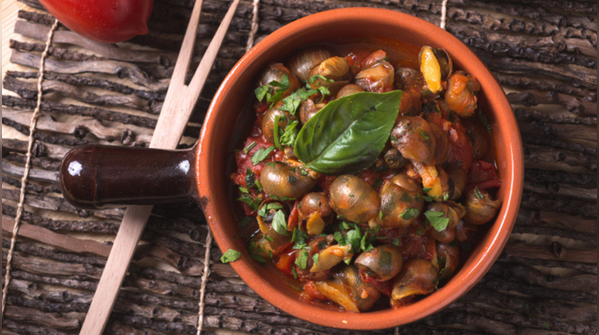
Snail soup
Snail soup appears in different forms across cuisines, from delicate broths to more robust, peppery bowls. It is especially appealing in recipes that use stock, herbs, root vegetables, and aromatics to build depth. The snail lends the soup a subtle savoury character, making it feel more layered than a simple vegetable broth.
This is one of the more underrated ways to eat snails. It is gentle, soothing, and unexpectedly elegant. In colder weather, or on days when you want something restorative rather than rich, snail soup makes a strong case for itself.
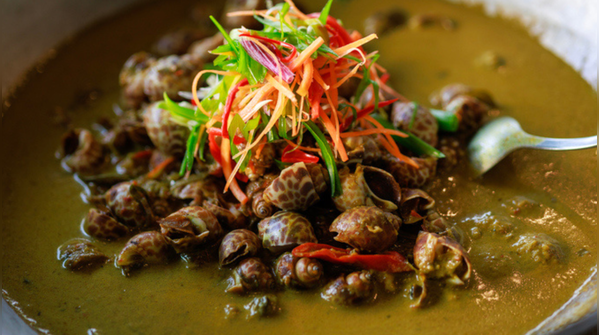
Snails cooked with coconut and spices
In some regional cuisines, snails are cooked with coconut milk, turmeric, mustard seeds, curry leaves, or other warming spices. The coconut rounds out the flavour and adds a soft sweetness that works beautifully with the snail’s natural earthiness.
This kind of dish tends to be underrated outside the places where it is common, but it has tremendous appeal. The sauce is luxurious without being too heavy, and the spices give the dish real personality. It is the sort of preparation that surprises people in the best way.
Featured In Food

MORE FROM ETIMES
life & style