
7 benefits of eating sprouts regularly
7 benefits of eating sprouts regularly
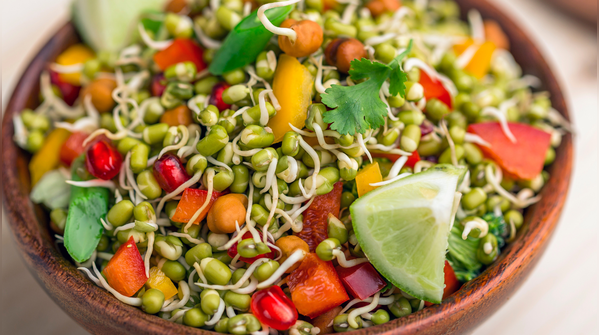
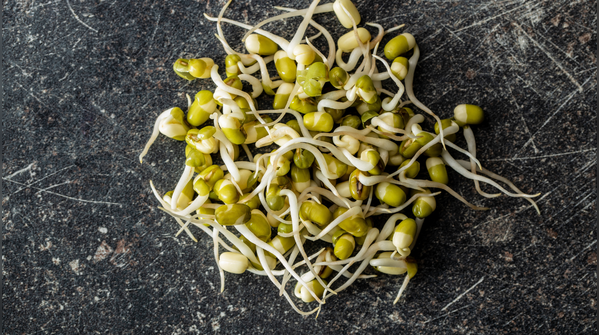
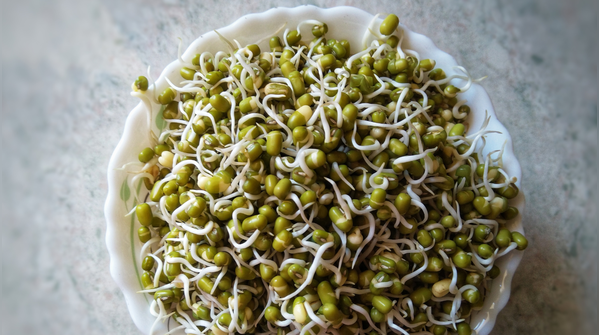
They rarely demand attention on a plate. A small pile of crisp stems, a tangle of pale shoots, perhaps a squeeze of lemon or a scatter of spices. Yet sprouts have quietly held their place in everyday diets for generations, especially in Indian kitchens where simplicity often carries its own nutritional logic. What makes sprouts remarkable is the transformation that happens before they ever reach the bowl. When seeds begin to germinate, their internal chemistry shifts. Enzymes activate stored nutrients break down into simpler forms, and the young shoot becomes easier for the body to digest and absorb. That small biological change turns an ordinary seed into a concentrated source of vitamins, minerals and plant protein. Here are some of the benefits of eating sprouts regularly.
A nutrient upgrade in a tiny package
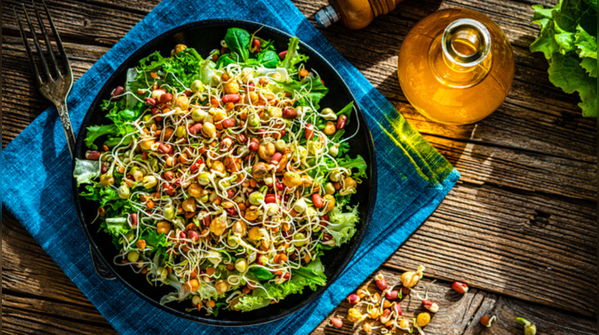
The first reason sprouts earn their place on the plate is simple: they can be more nutrient-dense than the seeds or grains they come from. During sprouting, some of the natural barriers that limit absorption begin to loosen. Harvard Health says that sprouted grains may offer more available folate, iron, vitamin C, zinc, magnesium and protein than mature grains because the germination process changes the seed’s structure. That does not make sprouts a miracle food, but it does make them a smart one.
Better absorption of key nutrients
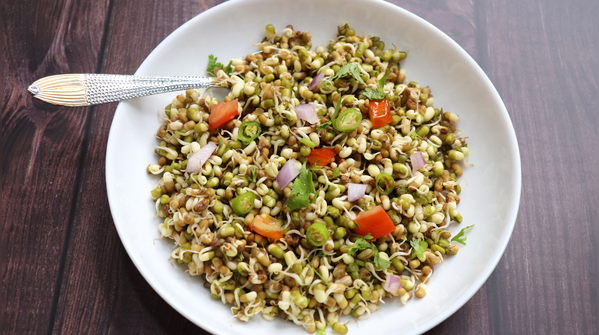
Sprouting can also help the body use certain nutrients more efficiently. During germination, compounds such as phytic acid, which can interfere with mineral absorption, begin to break down. At the same time, the levels and availability of certain nutrients, including B vitamins and vitamin C, may increase. In practical terms, that means sprouts are not just about what they contain on paper; they may also be easier for the body to absorb and use once they are eaten.
Easier on digestion
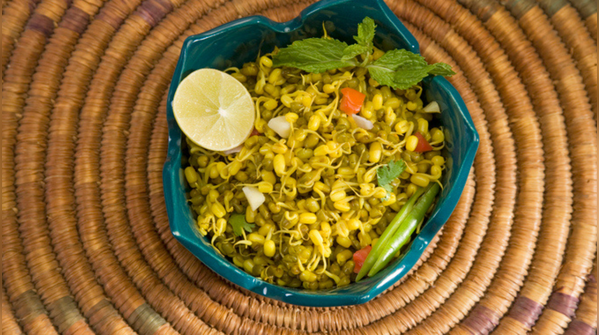
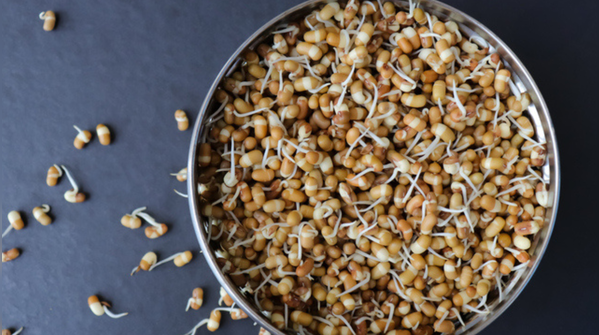
For many people, sprouts feel lighter than fully mature legumes or grains. Lentils, for instance, usually need to be cooked to become easier on digestion, but sprouting changes their structure and creates a softer, more digestible form. That shift is one reason sprouted lentils are often described as fresh, grassy and filling rather than heavy. If your meals sometimes leave you feeling sluggish, sprouts can add substance without the same dense after-feel.
A stronger antioxidant profile
Sprouts are also drawing scientific interest for their plant compounds. A 2021 review in Plants found that edible sprouts are rich in phytochemicals and that many of those compounds show antioxidant activity. The review points to phenolic and non-phenolic compounds in sprouts, including vitamin C and glucosinolate-related compounds in broccoli and red cabbage sprouts, as contributors to that effect. Antioxidants matter because they help counter oxidative stress, one of the biological processes linked to long-term disease risk.
Possible support for blood sugar control
Sprouts may also fit well into a balanced diet for people watching blood sugar. The same 2021 review says natural antioxidants in plant sprouts may help inhibit enzymes that break carbohydrates into simpler sugars, and it highlights studies in which broccoli sprout extract helped reduce advanced glycation end-products in laboratory settings. That is not the same as proving sprouts treat diabetes, but it does suggest they have a role in a more blood-sugar-conscious way of eating.
A heart-friendly addition to the plate
There is also growing evidence that sprouted foods may support heart health. Some studies suggest that sprouted seeds may have hypocholesterolemic effects, meaning they could help lower cholesterol levels and reduce certain cardiovascular risks. Other research has linked cruciferous vegetables such as broccoli and Brussels sprouts with lower levels of calcified plaque in the aorta, although this does not prove a direct disease-preventing effect. Even so, sprouts can be a useful addition to a heart-friendly diet built around plant foods.
A simple way to eat more vegetables
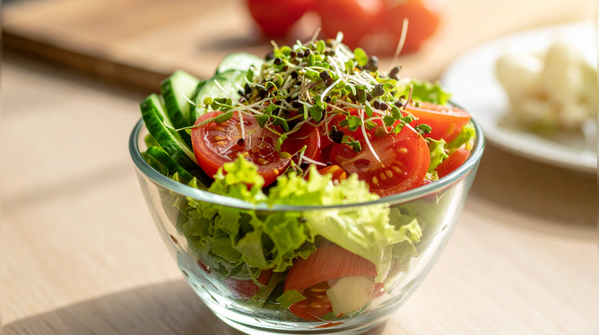
The last benefit is less dramatic, but perhaps the most practical: sprouts make healthy eating easier to sustain. They add crunch to salads, freshness to sandwiches and texture to stir-fries and grain bowls. Harvard’s sprouted lentil page notes that a half-cup serving delivers protein, fiber and potassium, which helps explain why sprouts can make a dish feel more complete. In real life, foods that are easy to toss into everyday meals are often the ones people actually keep eating.
Featured In Food

MORE FROM ETIMES
life & style