
6 high-protein winter sabzi that deserve a regular place on the plate
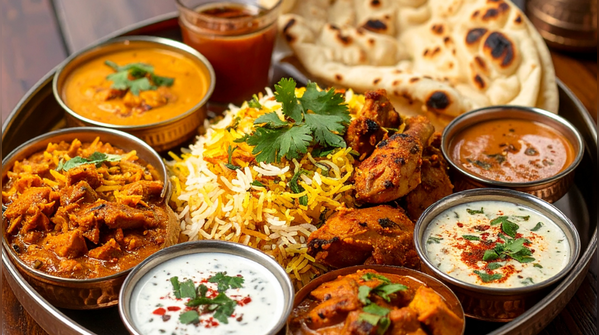
6 high-protein winter sabzi that deserve a regular place on the plate
Winter eating changes instincts. Meals slow down, portions grow warmer, and sabzi moves from side dish to centre stage. This is also the season when protein quietly matters more, not for muscle talk but for warmth, satiety, and steady energy through shorter days. For context, an average adult needs about 0.8 grams of protein per kilogram of body weight per day. That works out to roughly 45–55 grams daily for most women and 55-65 grams for most men, depending on build and activity. Vegetables will not meet this number alone, but winter sabzi can meaningfully support it, especially in vegetarian households where protein has to be built thoughtfully across the plate. Scroll down for six winter sabzi do exactly that, without turning food into a calculation...
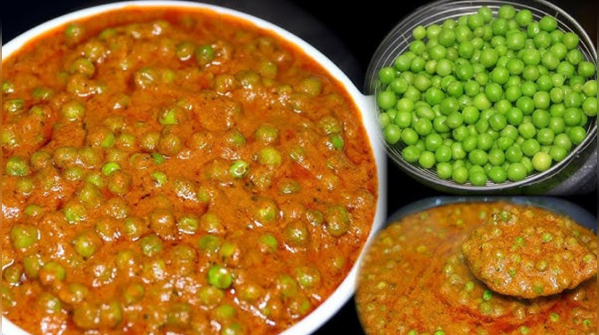
Matar ki Sabzi
Fresh winter peas are one of the few vegetables that genuinely pull their weight on protein, offering around 5-6 grams per 100 grams. Their natural sweetness and soft bite make them easy to eat in generous portions. A simple matar sabzi, lightly spiced, feels comforting without being heavy and adds quiet substance to lunch plates, especially when paired with roti or rice.
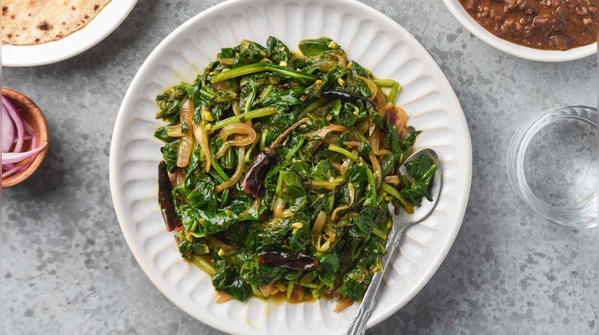
Palak Sabzi
Spinach delivers close to 3 grams of protein per 100 grams, but its real strength lies in how much of it can be eaten once cooked. A kadhai full shrinks into a single serving, concentrating nutrients without strain on digestion. Palak sabzi works best when kept simple - garlic, cumin, minimal oil and pairing it with paneer or kala chana multiplies the protein without changing the dish’s character. It sits comfortably alongside roti or rice and turns a light sabzi into a more sustaining, well-rounded meal.
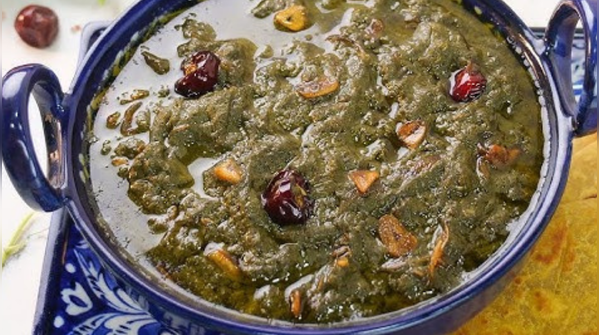
Sarson ka Saag
Mustard greens provide around 3 grams of protein per 100 grams, but sarson ka saag is not defined by numbers alone. Slow-cooked and warming, it develops a deep, earthy flavour that suits winter eating. Paired with makki roti or a protein-rich dal, it becomes a meal that keeps energy steady for hours.
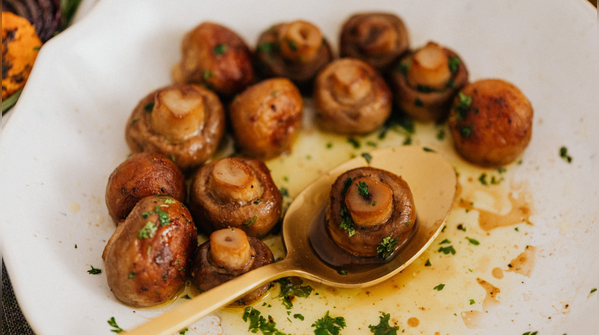
Mushroom Sabzi
Mushrooms bring around 3 grams of protein per 100 grams along with a deep, savoury flavour that gives vegetarian food weight. In winter, mushroom sabzi feels grounding, almost meaty, without heaviness. Cooked with onions, ginger, and black pepper, it reduces dependence on paneer while still delivering protein and fullness, making it ideal for lighter dinners.
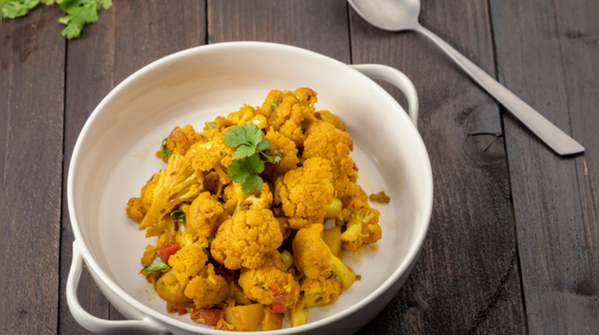
Gobi Matar
Cauliflower alone provides about 2 grams of protein per 100 grams, but winter kitchens rarely cook it alone. Combined with peas, gobi matar becomes more balanced and filling. The dish absorbs spices well, feels hearty, and satisfies without excess fat. It is the kind of sabzi that makes meals feel complete rather than supplemented. Peas add plant protein, fibre, and a natural sweetness that offsets gobi’s earthiness, while seasonal cooking methods keep oil minimal and digestion easy, making it ideal for everyday winter lunches and dinners. It pairs effortlessly with rotis or plain dal chawal, reheats well, and suits busy schedules without feeling repetitive, proving that simple seasonal vegetables can still deliver comfort, nourishment, and lasting satisfaction.
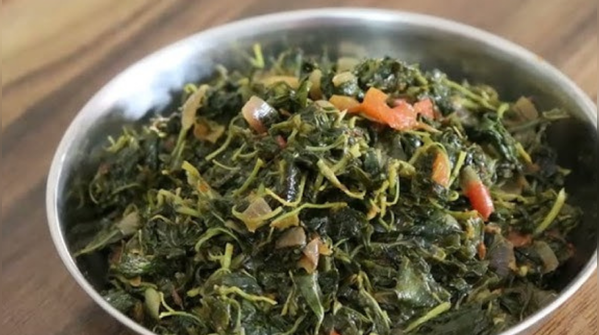
Bathua Sabzi
Bathua is a winter green that quietly carries around 4 grams of protein per 100 grams, making it one of the more protein-dense leafy vegetables of the season. Often overlooked, it works beautifully sautéed with garlic, cumin, and minimal oil or folded into paratha-style preparations. Its deep green colour signals mineral richness and seasonal freshness. Paired with roti and curd or dal, it brings both nourishment and a comforting green depth to winter plates that feel traditional rather than trendy.
Featured In Food

MORE FROM ETIMES
life & style