
6 common mistakes people make while cooking cauliflower
6 common mistakes people make while cooking cauliflower
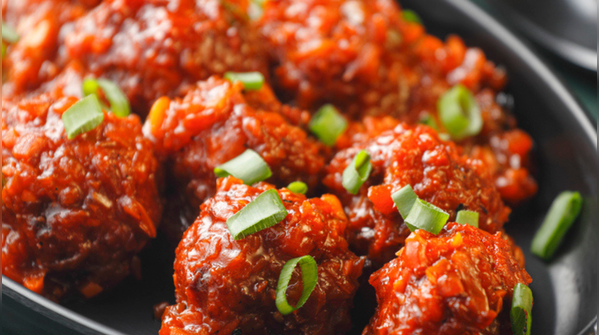
Gobhi, cauliflower’s affectionate North Indian nickname, has a strange reputation problem. At its best, it is nutty, tender, faintly sweet, and capable of soaking up spices like a sponge. At its worst, it turns soggy, sulphurous, bland, or oddly bitter. The difference between those two outcomes usually has little to do with the vegetable itself and everything to do with how we treat it. In Indian kitchens, cauliflower is endlessly versatile: folded into parathas, simmered in tomato gravies, tossed into pakoras, roasted with cumin, or stir-fried for quick weeknight meals. Yet many home cooks often unknowingly commit the same small errors that rob it of its potential. Here are six common mistakes people make while cooking gobhi, and how a few simple adjustments can turn this humble vegetable into the star of the table.
1) Not cleaning it properly
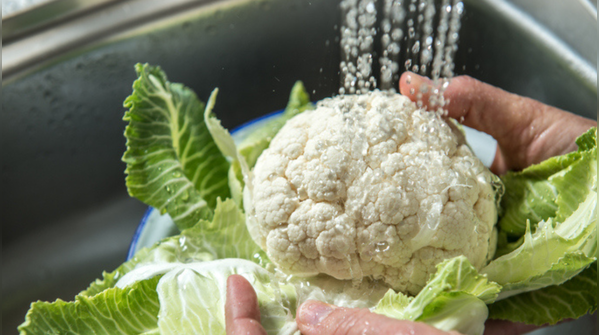
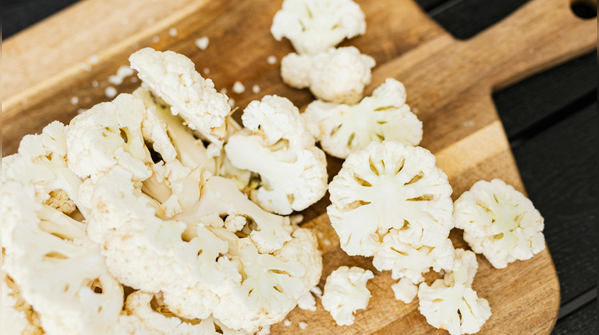
Cauliflower hides secrets. Tiny insects, grit, and residue love to tuck themselves into its tightly packed florets. A quick rinse under the tap rarely reaches deep enough.
Traditional cooks often separate the head into medium florets and soak them for 10–15 minutes in warm salted water. This coaxes out any unwelcome guests and loosens dirt. Skipping this step can leave you with unpleasant crunches or, worse, bitterness from trapped impurities that surface during cooking.
2) Overboiling it into submission
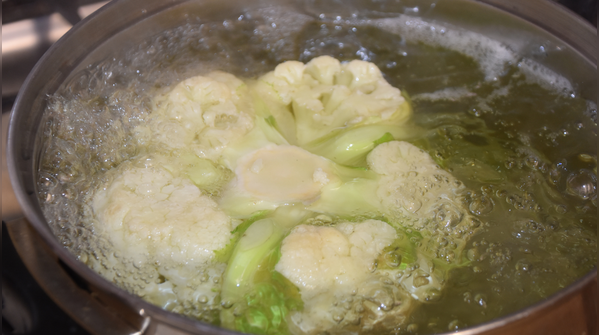
Few culinary tragedies are as common as mushy cauliflower. Overboiling breaks down its structure, leaches flavor into the water, and releases sulfur compounds that make kitchens smell less than inviting.
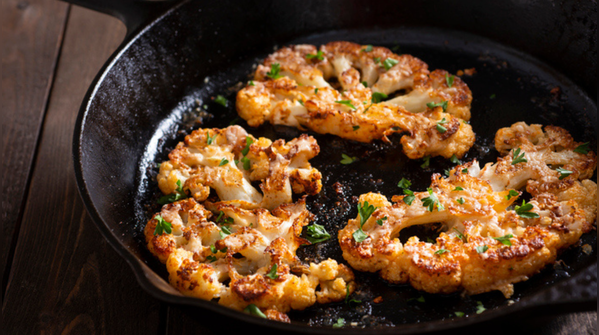
If a recipe requires par-boiling, keep it brief, just until the florets are barely tender and still hold their shape. Better yet, steam or sauté directly when possible. Roasting in a hot oven or pan-frying in oil caramelizes the edges, coaxing out sweetness rather than sulphur. Gobhi thrives on dry heat. Treat it like a vegetable that enjoys browning, not one destined for a watery bath.
3) Crowding the pan
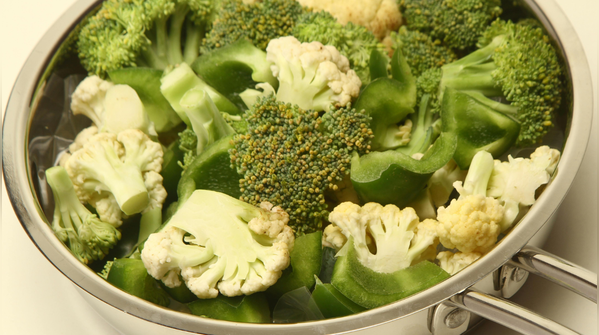
This is where many stir-fries go wrong. Pile too much cauliflower into one pan and instead of sizzling, it steams in its own moisture. The result: pale, limp florets that refuse to brown no matter how long you wait.
Give cauliflower breathing room. Cook in batches if necessary. A wide, hot pan allows moisture to evaporate quickly so the florets blister and develop those golden patches that make all the difference in both taste and texture.
4) Adding spices at the wrong time
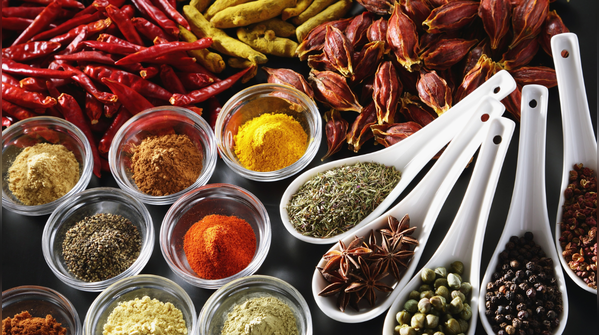
Spices are cauliflower's best friends, but timing is everything. Dumping powdered masalas into a pan full of wet vegetables can leave them raw-tasting and chalky. On the other hand, scorching spices in dry oil can turn them bitter in seconds.
The sweet spot? Bloom whole spices like cumin or mustard seeds in hot oil first. Let ginger, garlic, and green chillies soften until aromatic. Then add cauliflower so it absorbs that flavoured fat. Ground spices usually go in once the vegetable has started to cook and shed some moisture, allowing them to cling instead of clump.
5) Skipping acidity
Cauliflower is mild by nature, which is part of its charm but also its vulnerability. Without contrast, dishes can taste flat, even if generously spiced.
Traditional recipes often finish cauliflower with tomatoes, yogurt, amchur (dried mango powder), or a squeeze of lemon. These acidic notes sharpen flavors and brighten the vegetable’s subtle sweetness. That final splash of tang is often what separates a forgettable side dish from something people go back for seconds of.
6) Under or overcooking the stem
The stem and core are often treated as afterthoughts, either hacked into thick chunks that stay stubbornly raw or discarded entirely. In reality, they’re just as edible and flavorful as the florets.
Slice the thicker stalks thinly so they cook at the same pace. When used properly, they add crunch and body to curries and stir-fries. Waste less, cook smarter and you’ll get more texture in every bite. Peeling the fibrous outer layer first helps reveal the tender interior, making these overlooked parts perfect for slaws, soups, and quick sautés that boost both yield and flavour.
Featured In Food

MORE FROM ETIMES
life & style