
5 foods that become unsafe when reheated
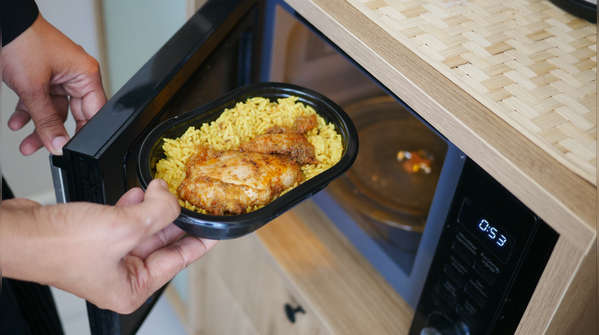
5 foods that become unsafe when reheated
Reheating food feels harmless. A pot goes back on the stove, a lunchbox into the microwave, and yesterday’s meal becomes today’s convenience. In many Indian homes, this is routine. What rarely gets discussed is that not all foods tolerate reheating well. Some don’t just lose texture or flavour, they can quietly become unsafe. This isn’t about fear-mongering or telling people to waste food. It’s about understanding which foods change chemically or biologically after cooling and reheating, and why timing and temperature matter more than we think. Here are five foods that deserve caution once they’ve already been cooked.
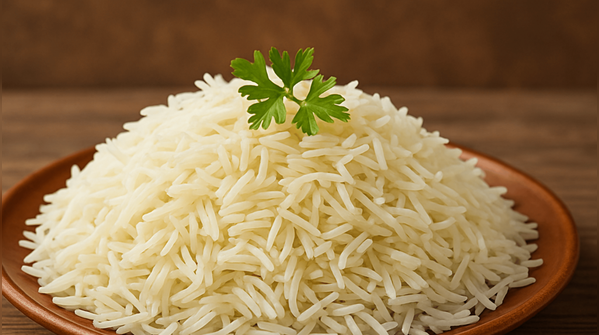
Rice
Cooked rice is one of the most commonly reheated foods and also one of the riskiest if mishandled. Raw rice can contain spores of Bacillus cereus, a bacteria that survives cooking. When cooked rice is left at room temperature for too long, these spores can multiply and produce toxins. Reheating does not destroy these toxins. That’s the key problem. Even piping hot rice can still make you sick if it was stored improperly. Rice should be cooled quickly after cooking and refrigerated within an hour. It should be reheated only once, thoroughly, and never kept warm for long periods. Rice left out overnight and reheated the next day is a common cause of food poisoning.
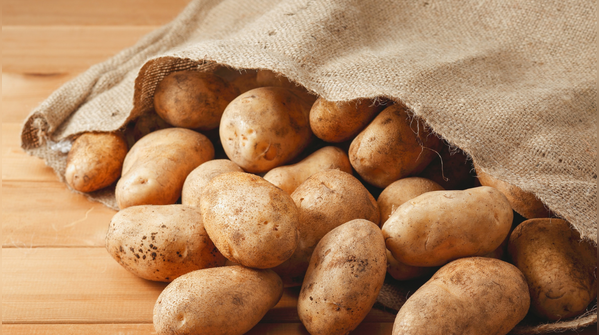
Potatoes
Potatoes are safe when freshly cooked, but trouble begins when they are cooked, cooled, and stored incorrectly. Leaving cooked potatoes at room temperature encourages the growth of Clostridium botulinum, especially when they are wrapped in foil or stored in airtight containers without refrigeration. Reheating doesn’t neutralise the toxin produced by this bacteria. Baked potatoes left on the counter and reheated later are particularly risky. If potatoes are to be reheated, they must be cooled quickly, stored in the fridge, and reheated thoroughly. Creamy or mashed preparations spoil faster than dry ones.
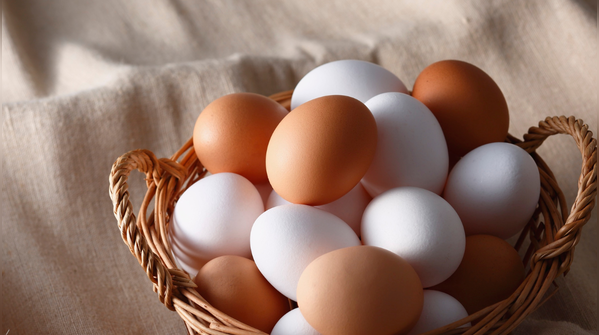
Eggs
Eggs change structure with heat. Reheating cooked eggs, especially scrambled eggs, omelettes, or egg-based gravies can make them unsafe if they weren’t stored correctly in the first place. The problem isn’t reheating alone; it’s reheating after slow cooling. Eggs left at room temperature encourage bacterial growth, particularly Salmonella. Reheating unevenly, as happens often in microwaves, allows bacteria to survive. Hard-boiled eggs should ideally be eaten cold or freshly cooked. Egg curries and bhurji should not be reheated more than once, and only if they were refrigerated promptly.
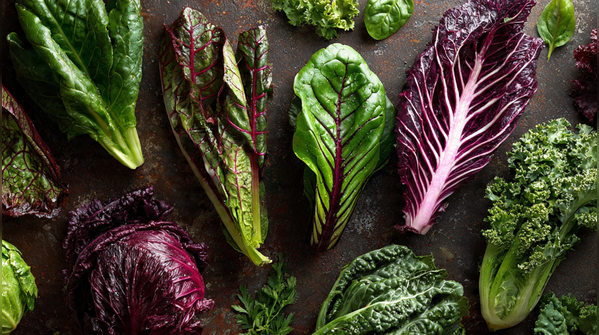
Spinach and leafy greens
Leafy greens like spinach, methi, and bathua naturally contain nitrates. When cooked and then cooled slowly, these nitrates can convert into nitrites and nitrosamines, compounds linked to digestive irritation and long-term health risks. Reheating accelerates this conversion. While the risk isn’t immediate poisoning, repeated reheating of leafy greens is not advisable, especially for children. These vegetables are best eaten fresh or immediately after cooking. If stored, they should be reheated minimally and only once. Using leftovers in room-temperature salads or cold preparations is safer than reheating.
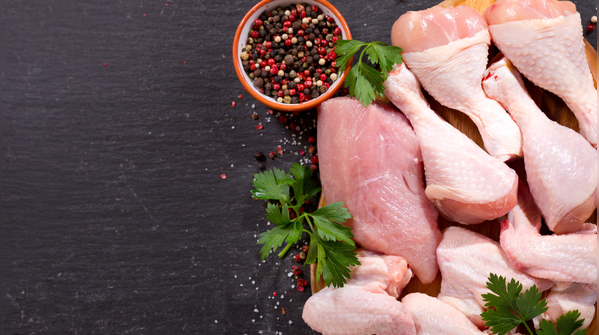
Chicken and other meats
Protein-rich foods are especially sensitive to reheating. Chicken, in particular, has a protein structure that changes when cooled and reheated improperly. This can make it harder to digest and increase the risk of bacterial contamination. Meat dishes that contain gravies, cream, or thick masalas spoil faster because bacteria thrive in moist environments. Reheating unevenly, hot on the outside, lukewarm inside, is a common problem. Meat should always be reheated until steaming hot throughout, never partially warm. Reheating more than once significantly increases risk.
Featured In Food

MORE FROM ETIMES
life & style