
5 everyday foods avoided during Navratri even by those who aren’t fasting
What happens when you avoid these daily foods?
With the arrival of Navratri, kitchens across India undergo a major transformation for nine days. While many people observe fasts and eat only fruits and vrat-friendly foods, a large number of others follow the regular food routine, but with a few tweaks. This tweak is beautiful from a spiritual perspective and science too. Chaitra Navratri is the period when the body detoxifies from all the greasy and heavy foods you have eaten during winters and prepares the body for the summer months. Hence, for this detoxification, some foods are avoided even by those who are not fasting. Scroll down to find out.
Onion
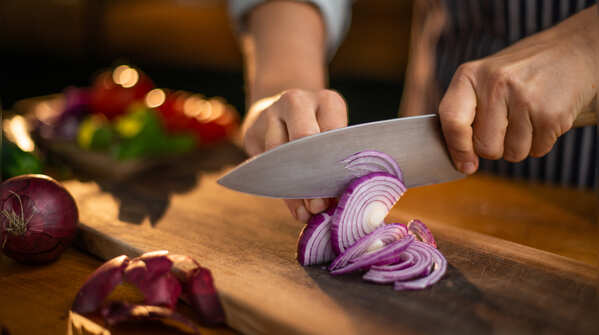
No Indian kitchen can imagine its existence without the sweetness and aroma of cooked onion. From breakfast to dinner, whether sliced, chopped, or pureed, onion makes it way to our meals, forming the base of countless dishes. However, during Navratri, they are commonly avoided.
Why avoid: As per legends, onions are considered tamasic in traditional dietary practices and are said to promote lethargy, dullness, and a lack of mental clarity. Hence, it is avoided even by those who are not fasting, as they seek peace and clarity amidst the transition of weather.
Garlic
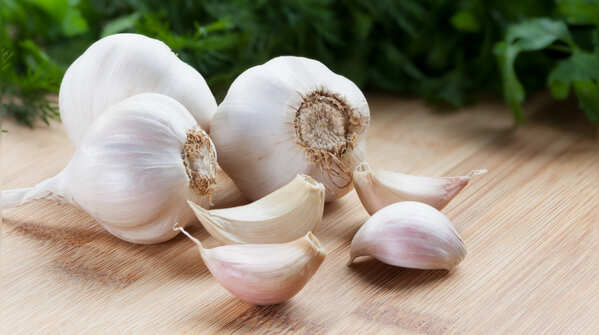
Adding the tadka of burnt garlic in dal or using crushed garlic in the tempering of stir-fry is a common cooking affair in many Indian homes, but during Navratri, like onion, it too is avoided.
Why avoid: As per legends, garlic is considered to be stimulating in nature and also increases body heat. And hence, as the body is preparing for extreme summer months, garlic is avoided to keep the body calm and cool. Garlic also potentially increases restlessness or agitation and as the festival emphasises inner peace and discipline, many choose to eliminate such ingredients from their daily meals. Instead, meals are flavoured with milder spices like cumin, ginger, and rock salt.
Meat
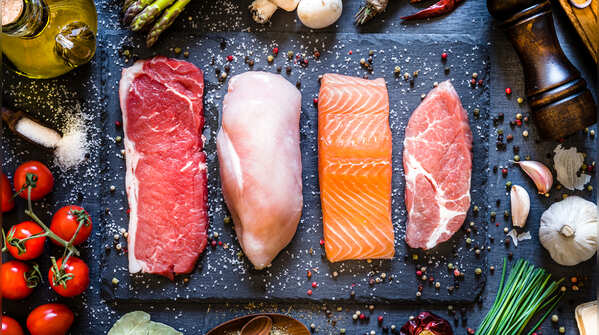
Chicken for breakfast, fish for lunch and mutton for dinner. This might sound like a bizarre menu plan, but for many non-veg eaters, it is the ideal way of eating. But when it comes to Navratri, meat including chicken, mutton, fish, and poultry are strictly avoided, even by those who are not observing fasts.
Why avoid: The 9-day festival traditionally promotes a satvik, vegetarian lifestyle, which is associated with purity and non-violence. Hence, avoiding non-vegetarian food is seen as a way to cleanse the body and mind and at the same time, avoid the practice of harming anyone (animals) for meals. According to experts, for many, it becomes a period of conscious eating and spiritual discipline, regardless of whether they are fasting.
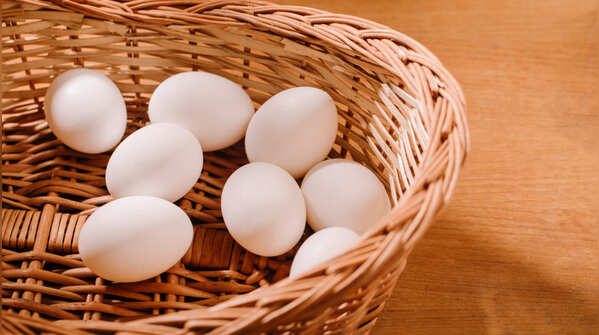
Eggs
From breakfast to dinner, eggs are enjoyed in many ways for taste and nutrition (especially protein), but during these nine days, eggs are widely avoided.
Why avoid: According to experts, eggs are often categorised alongside non-vegetarian foods in traditional practices and are considered heavier and more stimulating, which adds extra pressure on the digestive system. The whole idea of keeping the body light and preparing it for summer months goes against this. And hence, even people who consume eggs regularly give them up during this period to prepare the body for extreme heat.

Alcohol
While it is not a everyday food, people abstain from alcohol during these holy nine days.
Why avoid: According to legends, people follow a satvik lifestyle during these days, which promotes purity in thoughts, food, and actions. Alcohol is not considered part of a satvik lifestyle, which promotes purity in thoughts, food, and actions. Also, it is believed that alcohol can affect mood, judgment, and behaviour, which goes against the idea of maintaining balance and control and hence it is avoided during these holy nine days.
Images Courtesy: istock
Featured In Food

