
4 everyday foods that help babies learn to chew naturally
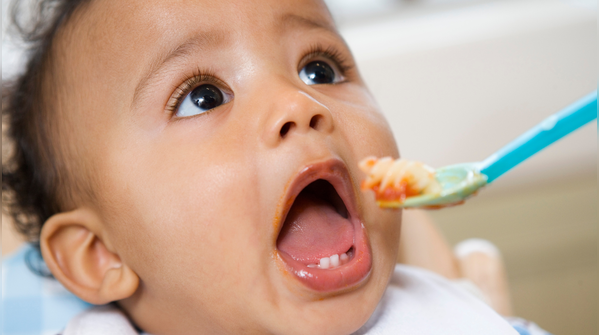
4 foods that help a baby learn to chew
Chewing is not a milestone babies suddenly “achieve”. It develops slowly, through exposure, repetition, and the right textures. Before teeth fully arrive, babies rely on gums, tongue movement, and jaw strength to break down food. What they are given to eat during this stage shapes how confidently they learn that skill. Purées are useful early on, but staying on smooth textures for too long can delay chewing. Once a baby shows readiness for thicker foods, offering soft but textured items becomes essential. The aim is not to fill the stomach. It is to teach the mouth what to do. Here are four foods that support learning, without overwhelming a developing eater.
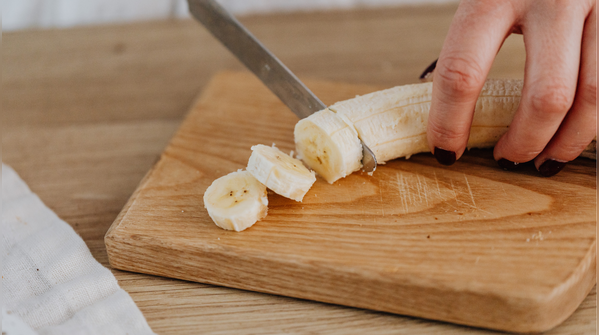
Ripe banana pieces
Banana is familiar, gentle, and easy to eat. When offered as thick pieces instead of a smooth mash, it encourages babies to move food around the mouth rather than swallow reflexively. The texture is soft enough to break down with gums, yet firm enough to prompt chewing motion. Banana also clumps slightly when chewed, which reduces loose fragments and helps babies manage the food safely. Its natural sweet flavour keeps the experience positive, which matters during early texture learning. The key is size. Pieces should be large enough to grip and explore, not small enough to slide back easily.
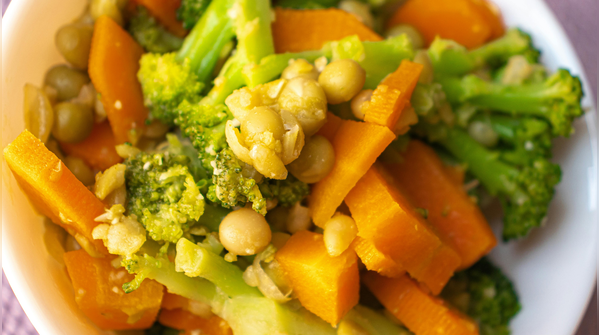
Well-steamed vegetables
Vegetables such as carrots, pumpkins, sweet potatoes, or lauki are ideal chewing trainers when cooked properly. Steaming softens them without turning them mushy. This creates gentle resistance, allowing babies to practise jaw pressure and tongue coordination. These vegetables hold their shape but collapse easily with effort. That balance teaches babies how chewing changes texture before swallowing. Offering savory foods early also broadens taste exposure and prevents dependence on sweet flavours alone. A simple test helps. If the vegetable can be mashed between two fingers without crumbling, it is ready.
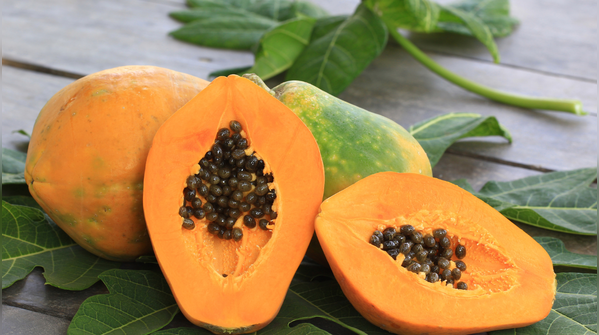
Soft fruits like papaya or pear
Ripe papaya and pear introduce a slightly different challenge. They are juicy and fibrous and require more tongue control than a banana. This helps babies learn how to manage moisture-rich foods while chewing. These fruits break down gradually, encouraging repeated chewing rather than quick swallowing. Their mild flavour keeps the focus on texture rather than intensity. Avoid overripe fruit that turns slippery or collapses too quickly, as texture is the teacher here. Cut fruit into manageable pieces that encourage exploration and slow eating.
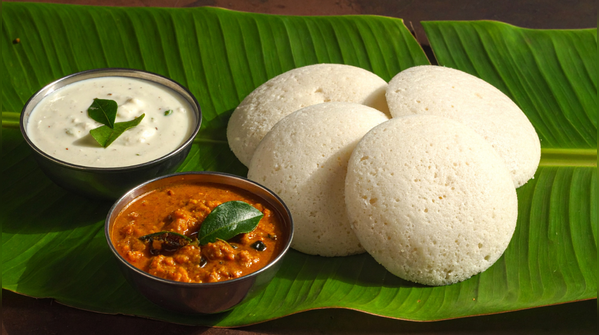
Soft idli or dal-based pancakes
Traditional foods work well when prepared with intention. Soft idli pieces or well-cooked moong dal pancakes are spongy, light, and easy to gum. Their structure encourages rhythmic chewing without sharp edges or crumbs. These foods also introduce grain and protein textures early, preparing babies for family meals later. Because they absorb saliva easily, they help babies learn how food changes in the mouth before swallowing. Ensure edges remain soft and avoid any crisp or dry sections.
Why this stage matters
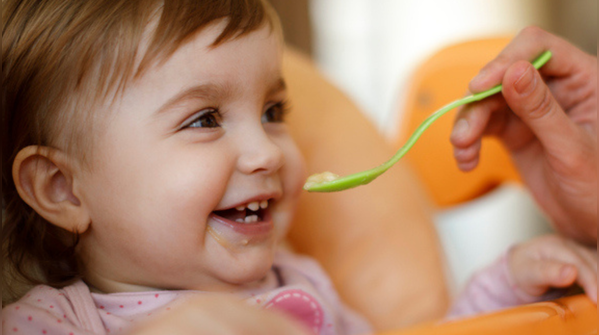
Chewing supports jaw development, digestion, and later speech clarity. Some gagging is normal during this phase and differs from choking. It is part of learning. What matters is supervision, patience, and appropriate texture. Babies learn to chew through experience, not instruction. The role of food is to guide, not rush.
Featured In Food

