
15 die after drinking milk contaminated with ethylene glycol: How to do milk purity test and 5 other calcium-rich foods to consume
What is ethylene glycol, side effects and other sources of calcium
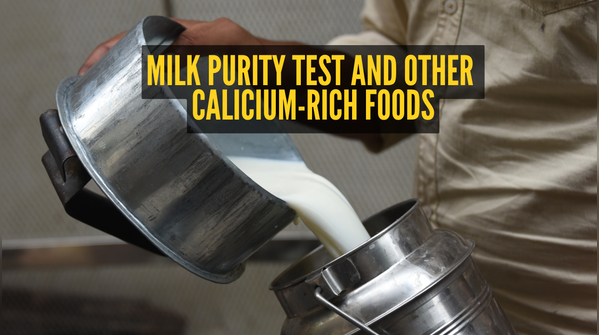
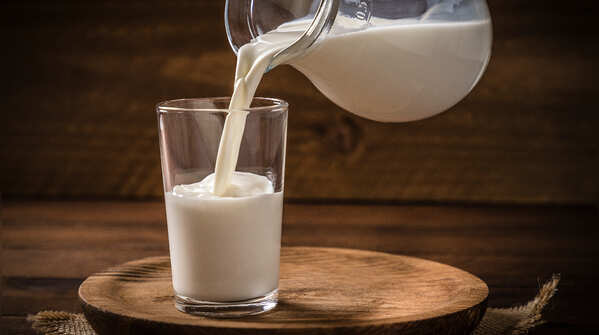
Milk is a staple in Indian households and is considered a rich source of calcium and other nutrients. But, when the source of nutrition becomes toxic and turns out to be fatal, the system comes under question. Something similar happened in Andhra Pradesh in February. According to reports, a vendor in Rajamahendravaram, Andhra Pradesh, allegedly mixed ethylene glycol, an industrial coolant, into milk supplied to over a hundred families, resulting in a total of 15 deaths to date. The milk adulteration incident occurred between February 11 and 14 in Chowdeshwari Nagar and Swaroop Nagar in Andhra Pradesh's Rajahmundry. According to The Indian Express report, while the victims consumed the deadly milk between February 11 and 14, and were hospitalised from February 16 with symptoms of anuria (absence of urine output), vomiting, and abdominal pain, the first casualty of the milk adulteration incident was reported at the Kakinada Government Hospital on February 22. According to the police report, the Forensic Science Laboratory (FSL) and the Regional Forensic Science Laboratory (RFSL) revealed that the freezer where the milk was stored was damaged, and the toxic coolant liquid, which leaked in the freezer, mixed with milk and curd and later affected those who consumed it.
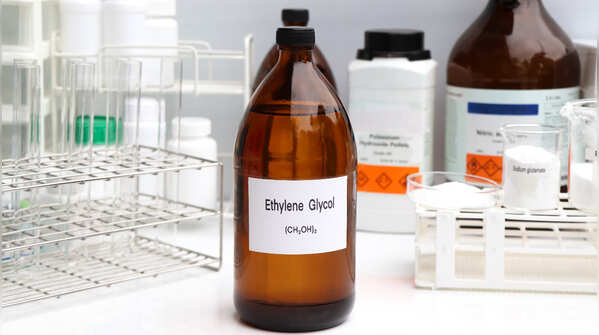
What is ethylene glycol?
According to medical science, it is an organic chemical compound, primarily used as antifreeze in vehicles, coolant in engines, and also as a raw material in making plastics like polyesters. It has a low freezing point, which makes it ideal for preventing liquids from freezing in cold temperatures.
Side effects of consuming ethylene glycol
It is said that, while it is sweet in taste, it is highly toxic for the human body and can cause nausea, vomiting, and dizziness if ingested. It may also lead to kidney failure in severe cases and can be fatal if consumed in large quantities, as happened in the case of Andhra Pradesh.

How to check the purity of milk at home?
As per the Food Safety and Standards Authority of India (FSSAI), there are simple and easy ways one can use at home to check milk purity. Take a look at some of the simple and easy methods.

Detergent adulteration test
For this test, take 5 ml of milk in a transparent glass and add an equal amount of water. Shake it well. Pure milk will have no lather or minimal lather formation, while milk adulterated with detergent will have persistent lather or froth formation.
Urea adulteration test
For this test, take 5 ml of milk in a test tube. Add an equal amount of soybean or arhar powder to it. Shake well and let it sit for 5 minutes. Dip a red litmus paper in it. If the red litmus paper remains red, the milk is pure, and if it turns blue, the milk is adulterated with urea.
Presence of formalin
Take 10 ml of milk in a test tube, and add 2-3 drops of concentrated sulphuric acid along the sides of the test tube without shaking. If the colour of the milk doesn't change, the milk is pure and if violet or blue rings are formed, the milk is adulterated with formalin.

Synthetic milk test
Add 5 ml of milk and 5 ml of water in a test tube. Shake it well. If it doesn't form a stable lather, the milk is pure, and if it forms a persistent froth, then it is adulterated with synthetic detergents.

Water adulteration test
For this test, take a drop of milk on a polished and slanting surface. If the drop remains in place or flows slowly, leaving a white trail behind, the milk is pure. If it drops quickly without a trail, then the milk is adulterated with water.
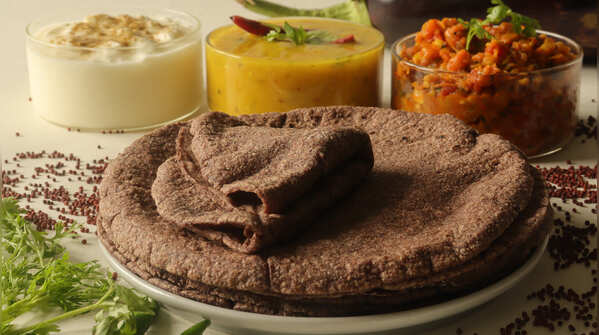
Calcium-rich alternatives for milk: Ragi
Calcium: 350-400 mg per 100 g
It can be consumed in the form of a porridge for breakfast, or one can make roti, dosa, cheela or pancakes too.
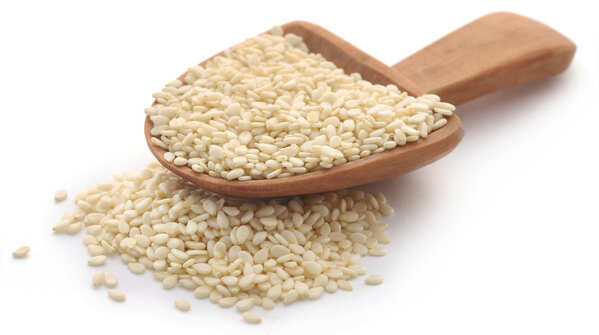
Sesame Seeds
Calcium: 975 mg per 100 g
It makes for a crunchy topping and can also be added to curries in the form of paste. One can sprinkle roasted seeds over salads and sabzis, make til chutney or add to smoothies or curd. They also contain phosphorus, magnesium, and zinc, which help calcium absorption and bone density.
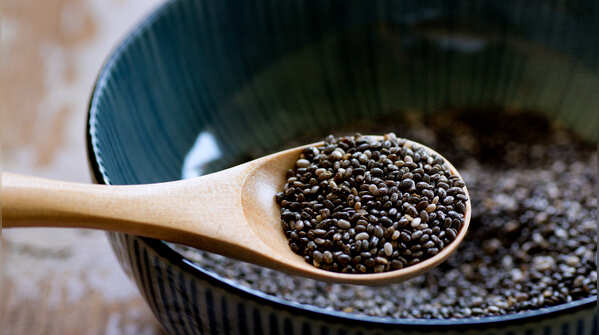
Chia Seeds
Calcium: 631 mg per 100 g
Just 2 tablespoons of these seeds provide 177 mg of calcium, which is roughly 18% of the daily requirement for adults. They help boost bone and tooth strength. Aid in muscle function and nerve signaling. They also contain magnesium and phosphorus, which help in better calcium absorption.
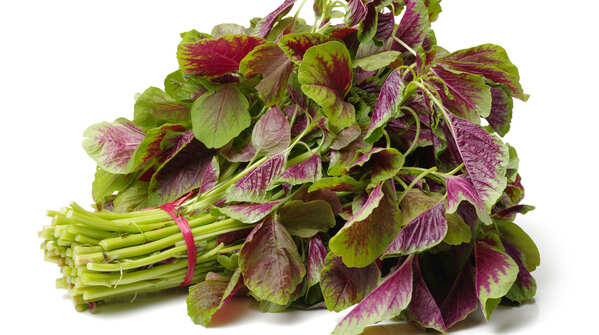
Amaranth leaves
Calcium: 200-300 mg per 100 g
They can be used to make saag or sabzi, and they also taste good when added to dal or soup, or one can mix into paratha dough.

Almonds
Calcium: 260 mg per 100 g
They are best consumed soaked overnight and peeled in the morning. One can add them to dessert, oats, smoothies, or shakes. One can also make chutney with them.
Images Courtesy: istock
Featured In Food

MORE FROM ETIMES
life & style