
12 foods that can help you sleep better naturally

12 foods that can help you sleep better naturally
Sleep has a way of exposing everything. A racing mind. A noisy room. A stomach that suddenly remembers hunger at midnight. For many people, the problem is not just falling asleep but getting the body to soften enough to do it naturally. While there is no single food that can magically replace good sleep habits, some ingredients may help the body settle, the nervous system slow down, and bedtime feel less like a battle.
What you eat in the evening can matter more than people think. Heavy, greasy meals can make sleep harder. So can too much sugar, caffeine, or alcohol. But certain foods, when eaten in sensible portions and at the right time, can support a calmer nighttime routine. They work in quiet ways: by offering magnesium, tryptophan, melatonin, or steady carbohydrates that help the brain and body wind down.
Here are 12 foods that may help you sleep better naturally.
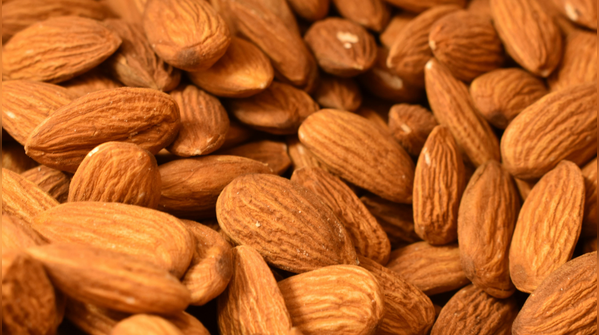
1. Almonds
Almonds are one of the simplest bedtime snacks with a strong reputation. They contain magnesium, a mineral that plays a role in muscle relaxation and sleep regulation. They also provide a little protein and healthy fat, which can help keep hunger from waking you up later.
A small handful is enough. Too many can feel heavy, especially close to bedtime.
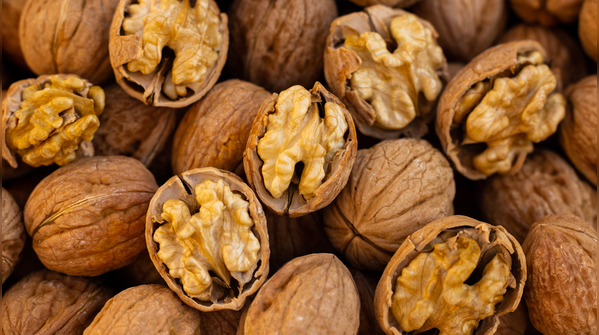
2. Walnuts
Walnuts are often praised because they naturally contain melatonin, the hormone that helps regulate the sleep-wake cycle. They also offer healthy fats and magnesium, which may support the body’s relaxation response.
A few walnuts after dinner can be a gentle addition to your routine, especially if you tend to feel hungry at night but do not want a large snack.
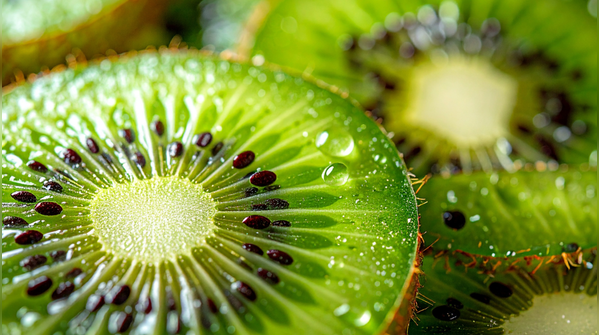
3. Kiwi
Kiwi is one of the most interesting sleep-friendly fruits. It is light, refreshing, and rich in vitamin C and antioxidants. Some research suggests kiwifruit may support sleep quality, possibly because of its antioxidant content and its influence on serotonin pathways.
It also makes a good bedtime option for people who want something sweet without going overboard.
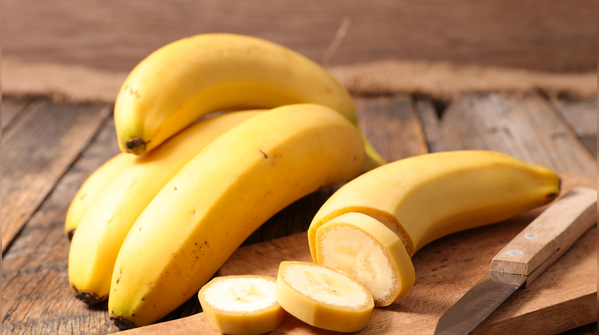
4. Bananas
Bananas are easy to overlook, but they are a practical sleep snack. They contain potassium and magnesium, both associated with muscle relaxation. They also provide carbohydrates, which may help the brain use tryptophan more effectively.
If you often crave something sweet at night, a banana can satisfy that urge without the crash that often follows dessert.
5. Oats
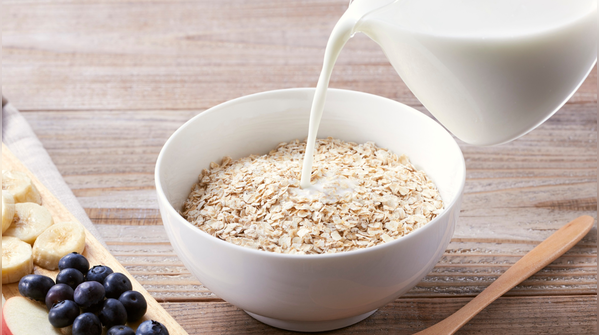
Oats are not just for breakfast. A small bowl of plain oatmeal in the evening can be surprisingly soothing. Oats contain complex carbohydrates that help promote fullness and may support the availability of tryptophan in the brain. They also bring a comforting, slow-digesting quality that suits nighttime well.
Keep it simple. A little milk, cinnamon, or chopped nuts is enough.
6. Tart cherries
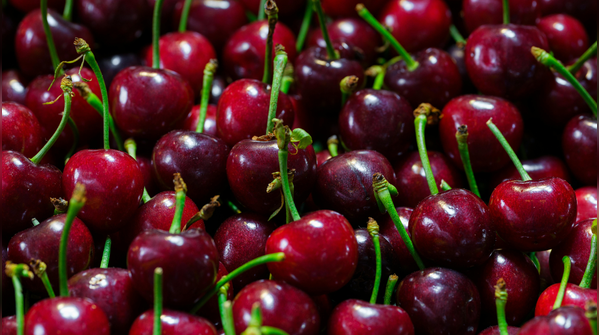
Tart cherries and tart cherry juice have gained attention because they naturally contain melatonin. They may be especially useful for people whose sleep is irregular or who struggle with winding down after long days.
A small serving is usually enough. The juice can be tart, so some people prefer it diluted with water.
7. Greek yogurt
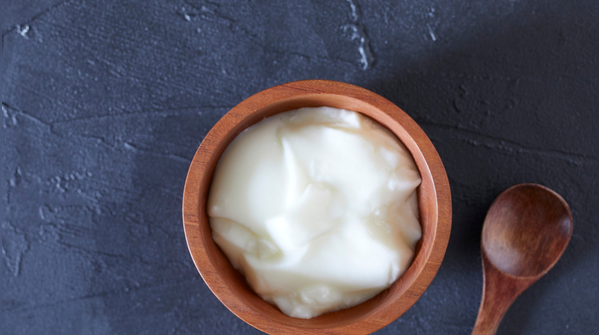
Greek yogurt offers protein and calcium, and calcium helps the brain use tryptophan to make melatonin. It is also lighter than many nighttime snacks and can be paired with fruit, oats, or a few nuts.
Choose plain yogurt if possible. Flavored versions often contain added sugar, which is not ideal right before bed.
8. Warm milk
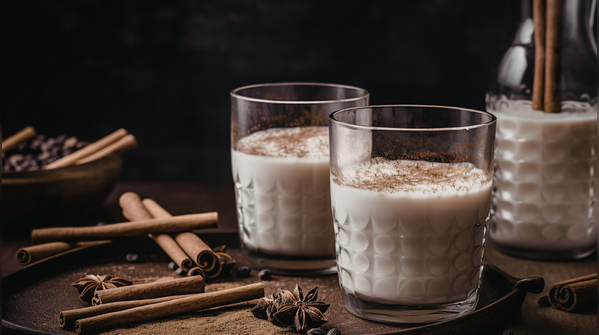
Warm milk has long held a place in bedtime routines, and for good reason. It is soothing, familiar, and contains tryptophan and calcium. Even if the nutritional effect is modest, the ritual itself can be powerful. A warm drink can signal to the body that the day is ending.
For many people, sleep starts with comfort, and warm milk delivers exactly that.
9. Pumpkin seeds
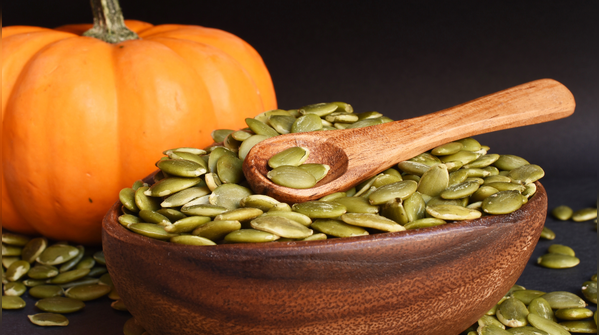
Pumpkin seeds are small but nutrient-dense. They contain magnesium, zinc, and tryptophan, all of which are linked in different ways to sleep and relaxation. They are also easy to portion, which matters at night.
A spoonful or two is enough. Roasted, unsalted seeds are the best choice before bed.
10. Rice
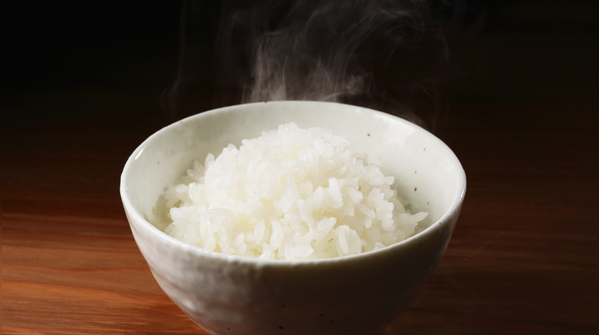
Rice, especially in simple forms, can be a surprisingly useful evening food. Because it is a carbohydrate, it may help the body absorb tryptophan more readily. That does not mean a huge plate of rice before bed is wise, but a moderate serving with a light protein can work well as a dinner option.
This is one reason many people feel sleepy after a warm, simple meal.

11. Chamomile tea with a light snack
Strictly speaking, chamomile tea is a drink, but it deserves a mention because it is often part of a sleep-friendly food routine. It is commonly used to encourage relaxation, and when paired with a small snack such as a few almonds or crackers, it can become part of a bedtime ritual that helps the mind slow down.
The real value may be in the signal it sends: the day is ending now.
12. Fatty fish
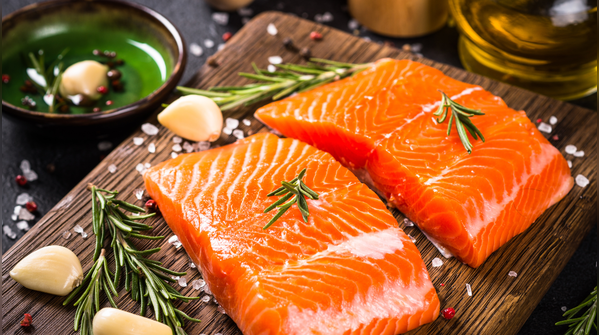
Salmon, sardines, and mackerel may support sleep because they provide omega-3 fatty acids and vitamin D, nutrients that are linked to better sleep regulation. They are obviously better suited to dinner than a late-night snack, but they deserve a place on any sleep-supportive diet.
These nutrients are believed to influence serotonin production, a key hormone that helps regulate sleep cycles and mood. When combined with a balanced evening meal, they may support the body’s natural transition into rest, making it easier to wind down without the heaviness that often disrupts sleep quality.
A lighter fish dinner in the evening can leave you satisfied without feeling stuffed.
What to avoid before bed
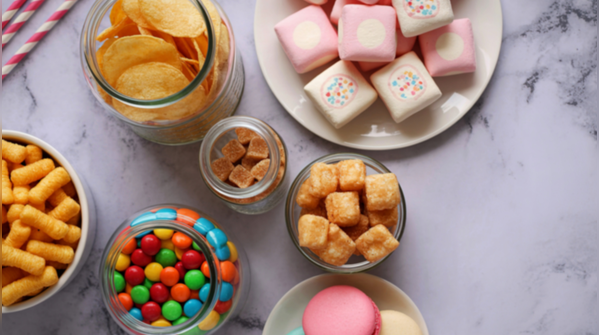
Just as some foods may help, others can make sleep harder. Caffeine can linger longer than many people realize. Sugary snacks can cause energy spikes. Spicy, greasy, or very large meals may trigger discomfort. Alcohol may make you sleepy at first, but it often disrupts deeper sleep later in the night.
The goal is not perfection. It is reducing the small things that keep the body alert when it should be powering down.
Featured In Food

MORE FROM ETIMES
life & style