
10 expert-approved tips to reduce your LPG consumption by 50%
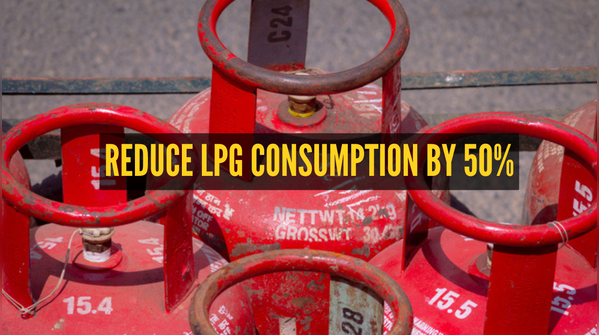
How to reduce LPG consumption?
The ongoing LPG shortage over the last few days has raised genuine concerns. From hotels to street vendors, everyone is suffering and it won't be a surprise that the crisis leaks into our households. So, keeping that in view, Dr Nandita Iyer, Health coach, practical health advice recently shared a list of tips on Instagram that can help reduce your LPG consumption by 50%.
What does an industry expert say about the crisis?
According to Shreyas Kudalkar, Owner of Kings Hotel & Resort, "With the current difficulties with LPG supply, we're trying different cooking methods. The aim is to keep the kitchen operating without issues and keep our guests happy. We're planning a move to use clay pot cooking for dishes that can be cooked on low heat. Clay pot cooking provides more than energy savings; it improves the taste and texture of many classic dishes, which is why it's a perfect way of cooking for several items on our menu. Though gas will remain necessary for some cooking methods, this technique will help us adjust, ensuring we continue to deliver the quality and flavor to our guests. At the same time, we are exploring other sustainable and flexible kitchen solutions to ensure minimal challenges to our operations."
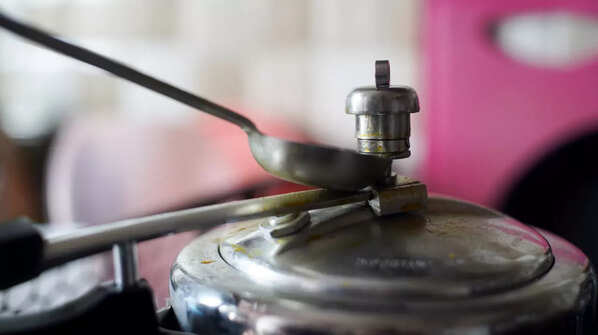
Use pressure cooker
According to Dr Iyer, pressure cooking reduces cooking time by 30-70%, especially for dals, beans, potatoes and meats.
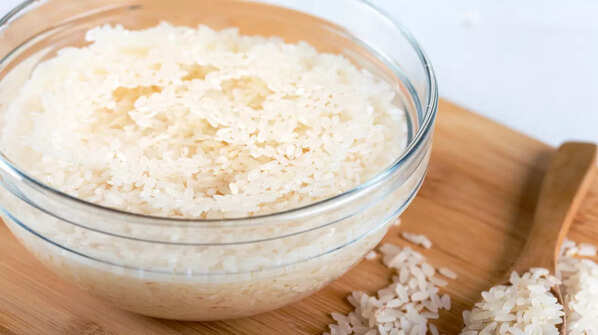
Soak pulses, beans, and rice
She also states that soaking reduces the cooking time significantly. She explains that typical soaking times are 8–10 hours for rajma or chana, 30–60 minutes for dals, and 20–30 minutes for rice. According to her post, soaked foods cook 30-50% faster, saving LPG.
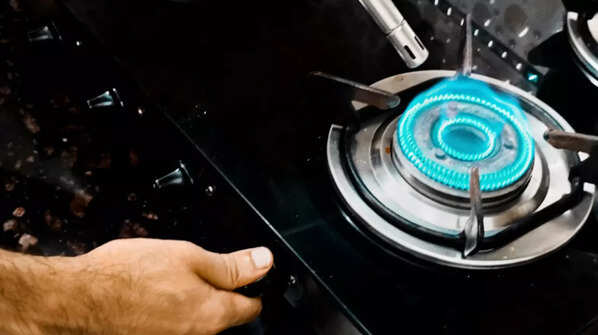
Use the right-sized burner
On most Indian gas stoves, small burners are used for tadka, tea, or reheating. A large burner is for pressure cooking or boiling water. Using a larger burner for small vessels wastes gas. Don't use the large burner for all the cooking.
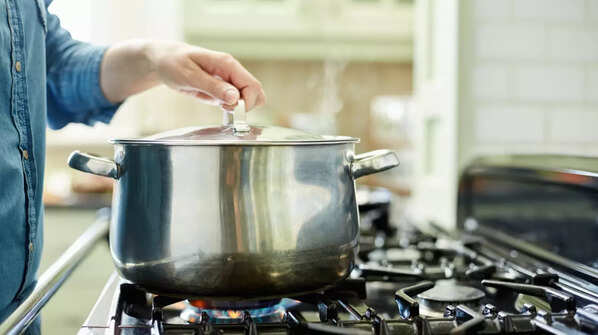
Lids on while cooking
According to her Instagram post, cooking with a lid retains heat, reduces evaporation, and speeds up cooking. This also reduces fuel use by 20-25%.
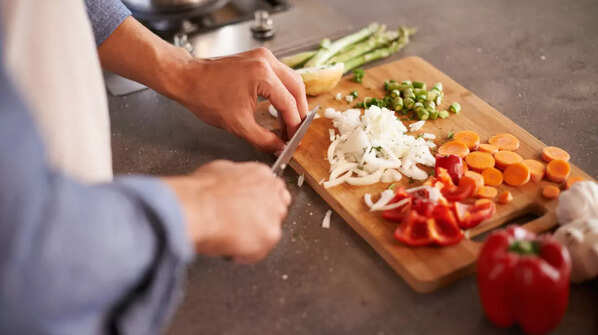
Cut vegetables smaller
Smaller pieces cook faster because of more surface area, faster heat penetration and quicker cooking. For instance, diced potatoes cook faster than larger chunks.
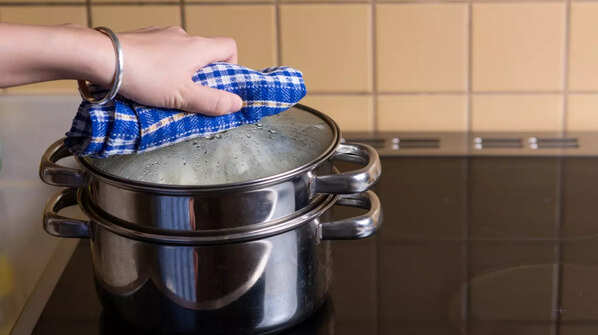
Cook multiple items together
She suggests stacking in a pressure cooker: dal below, rice above, and vegetables in a small bowl. By practicing this, one-flame multi-cooking can cut fuel use dramatically. Even in smaller cookers, you can keep one vegetable directly in the cooker and another in a cup over it.
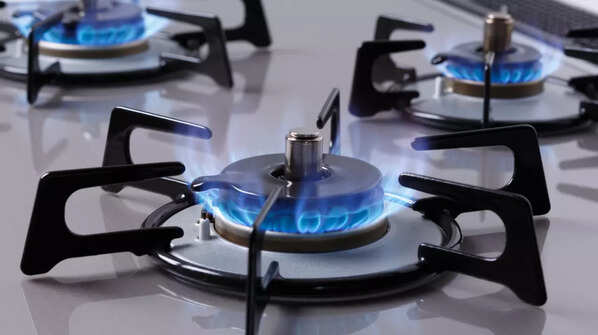
Check the burners
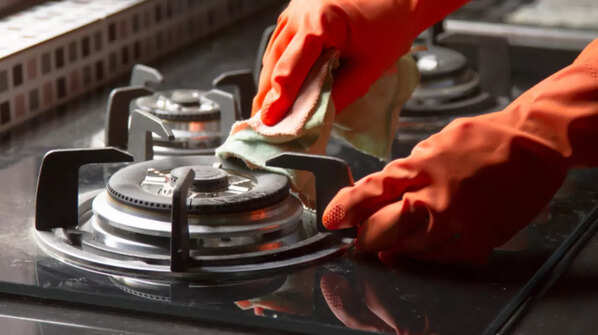
Blocked burner holes cause inefficient combustion. She suggests cleaning burners every few weeks to ensure a blue flame, faster heating, and low LPG use.
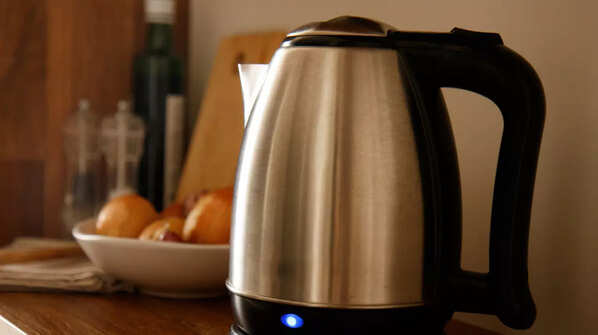
Smarter cooking
She also suggests practicing smarter cooking tricks. For instance, use an electric kettle for boiling water for tea, pasta, blanching veggies or to add to a pressure cooker. Batch cook rice, dal,beans, and potatoes for 2-3 meals. Refrigerate the extra portions. For the same fuel consumption, you get double the meals cooked.
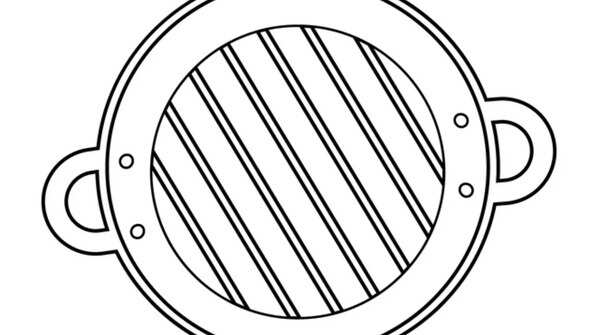
Use flat-bottomed heavy vessels
She states that heavy-bottom cookware distributes heat evenly, reducing cooking time. Best materials to use are stainless steel with a thick base, triply steel, and cast iron (for slow cooking). Thin vessels waste heat and burn food.
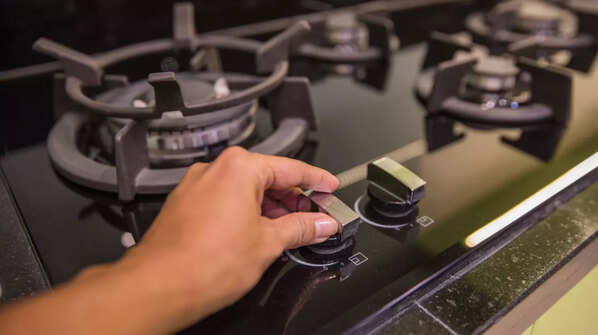
Switch off early and use residual heat
She also suggests that many foods continue cooking with trapped heat. Hence, in such cases, one can save LPG by switching off the flame. This technique can be used for rice, khichdi, boiled veggies, and dal after pressure cooking. Turning off the flame 2-3 minutes earlier can save fuel.
Images Courtesy: istock
Featured In Food

MORE FROM ETIMES
life & style